
To manage trespass and permission risks, always verify property boundaries and respect signage or access restrictions. Obtain explicit permissions, ideally in writing, before entering private land, and make certain everyone involved understands and follows these boundaries. Clearly document consent and any conditions set by property owners to avoid misunderstandings. Respect property rights to reduce liability and legal issues. If you continue exploring, you’ll learn effective practices that help safeguard your business from legal disputes.
Key Takeaways
- Always seek explicit, written permission from property owners before entering or filming on private land.
- Respect signage, fencing, and designated access points to avoid trespass violations and legal issues.
- Verify property boundaries regularly to prevent unintentional trespassing and liability risks.
- Use signed release forms for activities like filming to establish clear consent and legal protection.
- Document all permission requests and agreements to create a record and reduce misunderstandings.
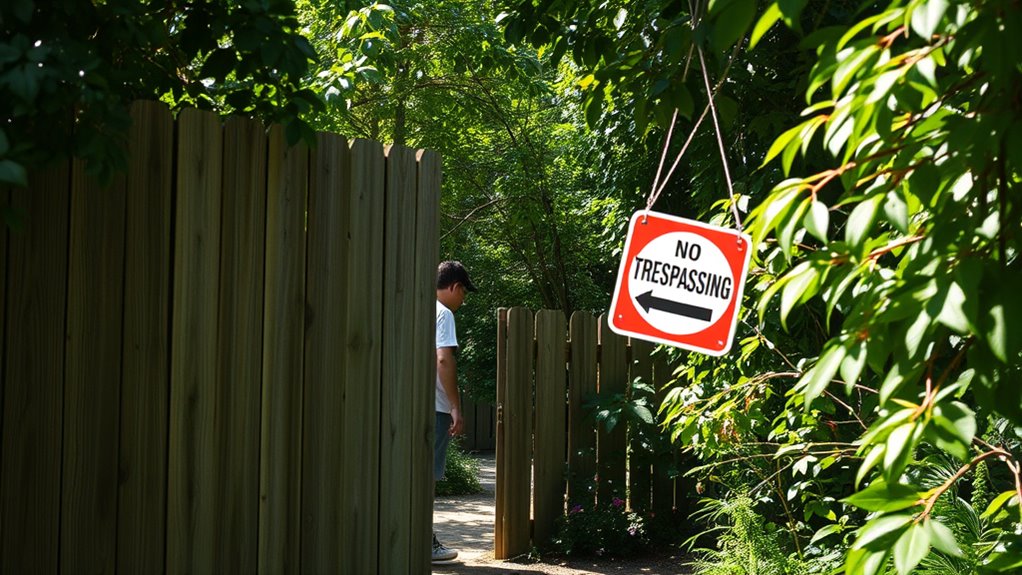
Understanding legal risks is essential because they can considerably impact your business operations and reputation. One of the most common issues you’ll face involves trespass and permissions, which directly relate to liability concerns and consent issues. If you ignore these factors, you might find yourself facing costly lawsuits, damage to your reputation, or even criminal charges. That’s why it’s crucial to understand how to navigate these legal waters carefully.
Understanding legal risks like trespass and permissions is vital to protect your business and reputation.
When it comes to liability concerns, the key is to guarantee you’re not inadvertently entering or remaining on someone else’s property without permission. Trespassing isn’t always intentional—it can happen easily if you’re unaware of property boundaries or if signage is unclear. If someone is injured on your property, or if you’re caught trespassing elsewhere, liability concerns escalate. You could be held responsible for damages or injuries if you didn’t have proper consent or if you failed to respect posted warnings. To mitigate this, always verify property boundaries and seek explicit permission before accessing private land. Doing so not only reduces legal exposure but also demonstrates respect for property rights, which can be crucial if disputes arise.
Consent issues are equally vital. You need clear, documented permission before conducting activities on someone else’s property, especially if your actions could cause damage or disruption. Verbal agreements are often insufficient; obtaining written consent provides a stronger legal footing if questions arise later. For instance, if you’re filming on private land, using a signed release form from the owner can protect you from liability concerns. Likewise, when working with contractors or vendors, ensure they have the necessary permissions and understand the boundaries. This proactive approach minimizes misunderstandings and legal complications, preventing claims of unauthorized entry or misuse of property.
It’s also important to recognize that permission isn’t always straightforward. Some property owners may impose specific conditions or restrictions, and failing to adhere to these can lead to legal issues. Respecting signs, fencing, and designated access points shows good faith and reduces the risk of trespass accusations. If you’re ever unsure whether you have the right to be somewhere, it’s best to ask for clarification in writing. This helps establish consent and creates a record that can be useful if legal questions arise later. Additionally, understanding the importance of affiliate disclosures can help you stay transparent and compliant in your communications regarding permissions and legal responsibilities.
Frequently Asked Questions
How Do I Legally Gain Permission to Access Private Property?
To legally gain access to private property, you should seek property rights and obtain access authorization from the owner. Contact the owner directly, explain your purpose, and request permission in writing if possible. Respect their decision, and avoid trespassing. Sometimes, you may need a formal agreement or permit, especially for commercial or repeated access. Always make certain you have clear authorization to protect yourself from legal risks.
What Are the Penalties for Trespassing Without Permission?
Trespassing without permission can land you in hot water, with penalties like fines, arrest, or even a criminal record. Ignoring liability concerns can make matters worse, as property owners may sue for damages. Always heed trespass notices—they’re like warning signs guiding you away from trouble. Violating these rules risks legal consequences, so respect private property, or you might find yourself steering through a maze of fines and legal issues.
Can Permission Be Revoked Once Granted?
Yes, permission can be revoked once granted, especially if property rights change or if you no longer have consent. You should respect the property owner’s rights and understand that consent revocation means they can withdraw permission at any time. Always stay aware of these rights, and if permission is revoked, you need to leave the property promptly to avoid legal issues.
How Do Different Jurisdictions Define Trespassing?
You’re on the right track—different jurisdictions have their own rules for defining trespassing. Generally, they focus on property boundaries and whether you entered without permission. Some areas require clear signage to warn against trespassing, while others don’t. It’s essential to understand local laws because what’s considered trespassing in one place might not be in another. Don’t assume; check specific legal definitions to avoid stepping on toes.
Are There Exceptions to Trespassing Laws for Emergencies?
Yes, there are emergency exceptions to trespassing laws that allow you to enter property for lawful access when someone’s safety or health is at risk. If you act quickly to assist during emergencies like fires, medical crises, or natural disasters, you typically won’t be considered trespassing. These emergency exceptions recognize that immediate action is necessary, and your entry is justified to prevent harm or save lives.
Conclusion
Just remember, each property is a guarded gate, and your actions are the key. Trespass is a shadow lurking nearby, ready to cast doubt on your intentions. By respecting permissions, you’re lighting the lantern that guides you safely through unseen minefields. Stay vigilant—think of permission as your shield and respect as your map. Follow these signs carefully, and you’ll navigate the legal landscape with confidence, turning potential risks into safe passage on your journey.