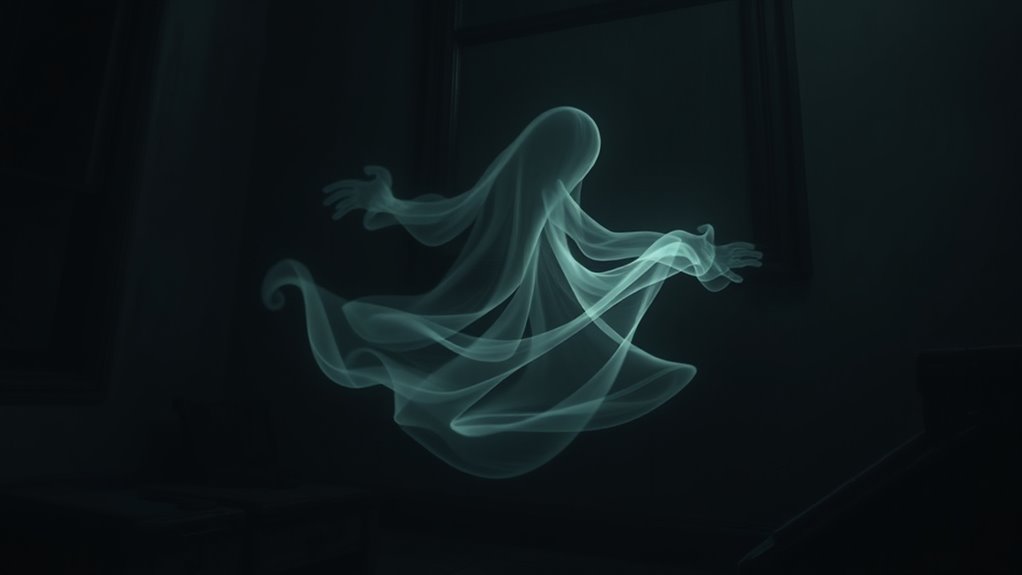

A poltergeist is a phenomenon marked by sudden, unexplained physical happenings like objects moving, flying, or overturning without any clear cause. Unlike traditional hauntings, they’re often linked to intense emotional or psychological stress, rather than spirits or ghosts. Many believe these disturbances are caused by subconscious forces or psychokinesis rather than supernatural entities. Curious to understand what causes these chaotic events and how they fit into paranormal history? Keep exploring to uncover more about these mysterious disruptions.

Get books and cozy reading nights delivered free — and shop member deals
- Fast, free delivery on millions of items
- Access to Prime Big Deal Days deals on October 6–7
- Prime Video, Amazon Music and more included
Key Takeaways
- Poltergeists are disturbances characterized by physical chaos like moving objects, not traditional spirits or ghosts.
- The term means “noisy ghost” in German and is linked to loud, disruptive phenomena in haunted areas.
- Explanations include psychological factors, emotional stress, or human psychology rather than supernatural causes.
- They often occur during emotional or traumatic periods, possibly acting as outlets for subconscious energy.
- Scientific consensus generally attributes poltergeist activity to natural or psychological phenomena, not supernatural entities.
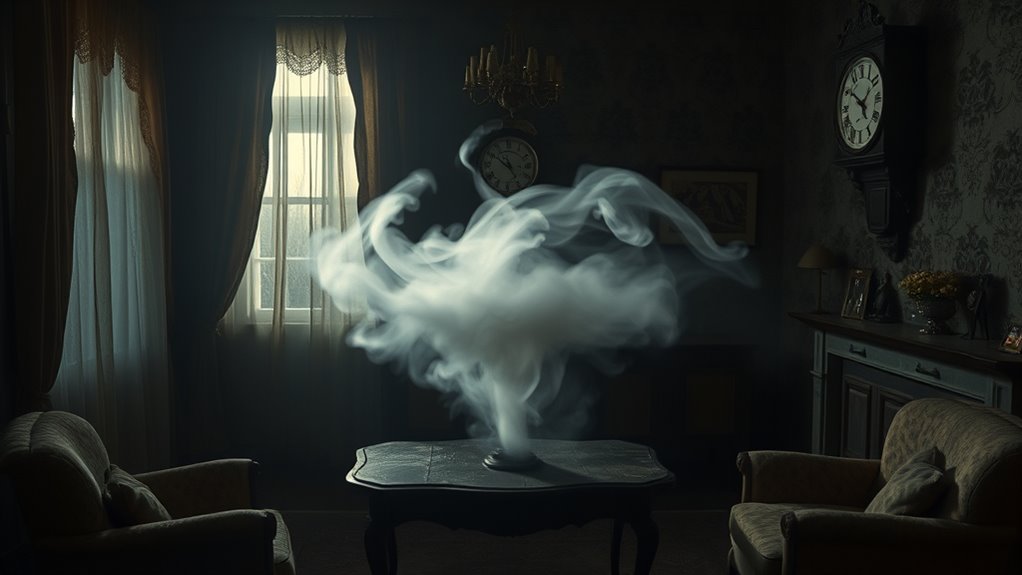
Have you ever wondered what a poltergeist truly is? You’ve probably heard stories about haunted locations where objects move on their own, doors slam unexpectedly, or strange noises echo through the night. These are classic examples of ghostly phenomena, and many people believe they’re caused by poltergeists. But what exactly are they? Unlike typical spirits of the deceased, poltergeists seem to focus on physical disturbances, creating chaos rather than simply haunting a space. This difference has sparked debate among skeptics and believers alike, fueling countless tales of unexplained activity.
Poltergeists are often associated with intense bursts of energy and disruptive behavior, which sets them apart from other types of hauntings. The word “poltergeist” itself comes from German, meaning “noisy ghost,” and that’s exactly what they tend to do—make noise, move objects, and sometimes even cause minor injuries. Many haunted locations with a history of poltergeist activity report objects flying across rooms, furniture overturning, and strange footsteps when no one’s around. These phenomena seem to be almost physical in nature, as if some unseen force is manipulating the environment. This has led researchers to question whether poltergeists are truly spirits or if they’re manifestations of psychological stress, mass hysteria, or other natural explanations. Some theories also suggest that psychokinesis, or the mind’s ability to influence physical objects, could be involved in poltergeist activity.
Poltergeists cause noisy disturbances and physical chaos, often linked to emotional stress or natural phenomena.
You might find it fascinating that some theories suggest poltergeist activity is linked to the emotional state of a person, often a young individual experiencing strong feelings or trauma. In these cases, the activity appears to be a physical outlet for latent emotional energy. This idea shifts the focus from ghostly entities to human psychology, implying that what we interpret as ghostly phenomena could sometimes be caused by subconscious forces. Still, stories of haunted locations with unexplained disturbances persist, fueling the belief that something beyond natural law is at play. Whether you see them as supernatural entities or psychological expressions, the fact remains that poltergeists produce vivid, unsettling experiences that captivate and terrify.
In the end, understanding what a poltergeist truly is depends on your perspective. To some, they’re mischievous spirits reacting to emotional distress. To others, they’re natural phenomena misunderstood or exaggerated over time. What’s clear is that their reputation for causing chaos makes them one of the most intriguing and mysterious aspects of ghostly phenomena. If you ever visit a haunted location rumored to be haunted by a poltergeist, you’ll understand why these stories continue to fascinate and terrify. They tap into our deepest fears of the unseen and the uncontrollable, making the mystery of poltergeists an enduring part of paranormal lore.
EMF meter for paranormal investigation
As an affiliate, we earn on qualifying purchases.
As an affiliate, we earn on qualifying purchases.
Frequently Asked Questions
Can Poltergeists Harm Living Humans Physically?
Poltergeists can indeed harm living humans physically through psychic interference or environmental factors. You might experience unexplained injuries, objects flying or being thrown, or sudden temperature drops during encounters. These phenomena suggest that a poltergeist’s activity could cause physical harm, often linked to intense emotional or psychological energy. While some believe these events are supernatural, others see them as manifestations influenced by environmental factors or subconscious reactions.
Are Children More Prone to Poltergeist Activity?
You’re more likely to see poltergeist activity during childhood because of childhood susceptibility and youthful energy. Studies suggest that children, especially those aged 4 to 12, are twice as prone to experiencing or witnessing poltergeist phenomena compared to adults. This increased vulnerability may stem from their vivid imagination, emotional turbulence, or heightened sensitivity, making them more receptive to unexplained disturbances or perceived paranormal activity.
How Can I Distinguish a Poltergeist From Other Spirits?
You can distinguish a poltergeist from other spirits by observing its unique psychic phenomena and spiritual manifestations. Poltergeists often cause physical disturbances like objects moving or loud noises without a clear cause, usually involving young people experiencing emotional stress. Unlike other spirits, their activity is often loud, disruptive, and focused on physical disturbances rather than just presence or whispers. Pay attention to patterns, intensity, and whether the activity correlates with emotional triggers.
Do Poltergeists Only Occur in Certain Locations?
You might think poltergeists only occur in haunted houses, but notably, over 60% of urban legends mention them in various locations. Media portrayals often exaggerate their presence, making it seem like they only happen in specific places. In reality, poltergeists can appear anywhere, from quiet rural areas to bustling cities. Their unpredictable nature keeps researchers guessing, proving they’re not limited to certain locations.
What Are the Scientific Explanations for Poltergeist Phenomena?
You should know that scientific explanations for poltergeist phenomena often involve paranormal energy and environmental factors. Researchers suggest that intense emotional stress can produce subconscious physical actions, causing objects to move unexpectedly. Additionally, environmental factors like vibrations, drafts, or electromagnetic fields might trigger these events. While some see these as supernatural, science tends to look for natural causes, emphasizing the role of human psychology and environmental influences in explaining poltergeist activity.
Conclusion
So, maybe what you’re experiencing isn’t always what it seems. Sometimes, the unseen forces just want a little attention or a gentle nudge to remind you they’re there. Whether it’s a playful whisper or a fleeting shadow, these moments remind us that the mysteries of the world are still quietly waiting to be explored. Keep an open mind, and remember, not everything needs to be fully understood to feel a little enchanted.
Fall Picks
fall essentials
As an affiliate, we earn on qualifying purchases.