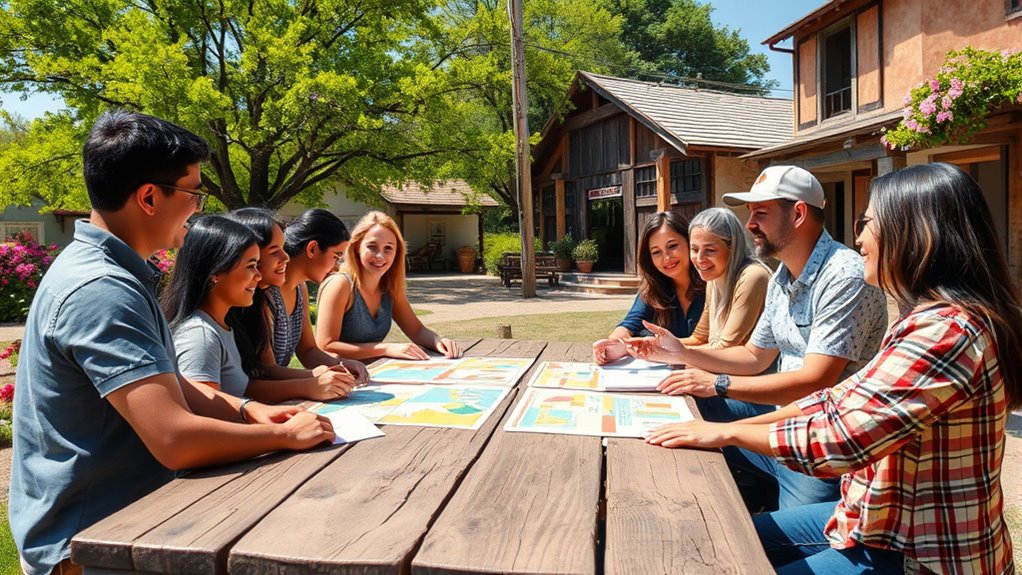

When collaborating with local teams, it’s essential to embrace cultural differences and foster trust through transparent communication. Engage actively by listening carefully, respecting customs, and adapting your approach to fit their local context. Building genuine relationships helps you understand nuances and creates an environment of open dialogue. Encourage feedback and show appreciation for their expertise. If you want to learn how to navigate these dynamics effectively, there’s more valuable insights waiting for you.
Listen free for 30 days with Audible
Thousands of audiobooks and originals — cancel anytime.
As an affiliate, we earn on qualifying purchases.
Key Takeaways
- Engage local teams early to gain cultural insights and foster trust.
- Adapt communication styles to respect local customs and decision-making processes.
- Establish regular check-ins and clear expectations to maintain alignment and accountability.
- Show appreciation for local expertise and encourage open dialogue for collaboration.
- Address conflicts diplomatically and promptly, emphasizing mutual respect and understanding.
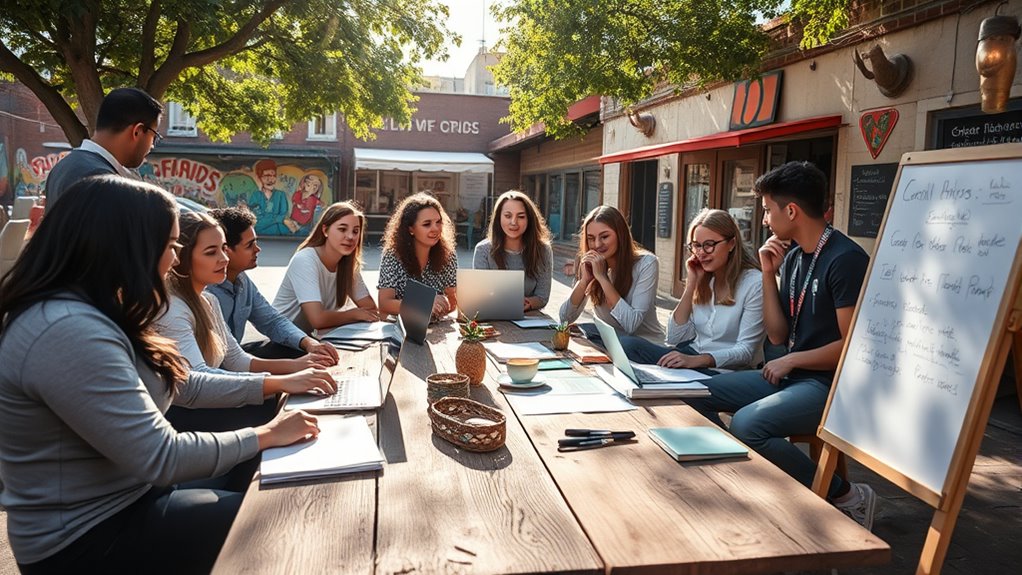
Collaborating with local teams is vital for guaranteeing your project’s success, as they bring valuable insights and cultural knowledge that outsiders often miss. When working across borders, understanding the nuances of cross cultural communication becomes essential. Different cultures have varied ways of expressing ideas, giving feedback, and making decisions. If you don’t adapt your communication style, misunderstandings can arise, slowing progress and damaging relationships. You must prioritize active listening, ask clarifying questions, and be patient as local team members share their perspectives. Recognizing these cultural differences and respecting local customs will foster trust and open dialogue, making collaboration smoother.
Understanding cultural differences and practicing active listening fosters trust and smoother collaboration across borders.
Engaging a remote team effectively hinges on your ability to bridge geographic and cultural gaps. Remote team engagement isn’t just about sending emails or holding virtual meetings; it’s about creating an environment where everyone feels valued and heard. To do this, set clear expectations early on and establish regular check-ins to maintain momentum. Encourage team members to share their thoughts openly, and ensure your communication channels are accessible and inclusive. Using video calls can help personalize interactions, making remote engagement more genuine. Remember, time zone differences can pose challenges, so be flexible with scheduling and considerate of local working hours. When you show genuine interest in their wellbeing and cultural practices, you’re building a stronger, more cohesive team.
Building trust is fundamental in cross cultural communication and remote team engagement. Be transparent about project goals, deadlines, and responsibilities. Show appreciation for local expertise and acknowledge cultural contributions. When conflicts or misunderstandings occur, address them promptly and diplomatically, emphasizing mutual respect. Adapt your leadership style to fit the cultural context—what motivates one team might differ from another. For instance, some cultures value hierarchy and formal communication, while others prefer a more egalitarian approach. Additionally, taking into account the importance of local environments and respecting their unique settings can greatly enhance collaboration. By tailoring your approach, you demonstrate respect and foster a collaborative environment where everyone feels empowered.
Ultimately, your success depends on your ability to listen actively, adapt your communication strategies, and nurture relationships across cultural divides. Embrace the diversity of your team, leverage their local knowledge, and invest in building genuine connections. When you do, you’ll find that collaboration becomes more seamless, innovative ideas flourish, and projects reach their goals more efficiently. Remember, working with local teams isn’t just about managing tasks—it’s about cultivating trust, understanding, and mutual respect across borders.
Top picks for "collaborat local team"
As an affiliate, we earn on qualifying purchases.
Frequently Asked Questions
How Do Cultural Differences Affect Collaboration Strategies?
Cultural differences considerably impact your collaboration strategies by shaping cultural norms and influencing collaboration styles. You might find that some teams value direct communication and quick decision-making, while others prefer consensus and indirect dialogue. Recognizing these differences allows you to adapt your approach, fostering respect and understanding. By aligning your methods with local norms, you improve teamwork, boost engagement, and guarantee smoother, more effective collaboration across diverse cultural backgrounds.
What Tools Improve Communication With Remote Local Teams?
You can improve communication with remote local teams by using effective tools like virtual meetings and project management software. Virtual meetings facilitate real-time conversations, helping you build rapport and clarify expectations quickly. Project management tools keep everyone aligned on tasks and deadlines, fostering transparency and accountability. Combining these tools guarantees smooth collaboration, reduces misunderstandings, and keeps your team connected regardless of geographical distances.
How to Handle Language Barriers in Local Team Collaboration?
Imagine a bridge connecting two islands—language barriers can feel like that gap. You can handle this by using language translation tools to guarantee clear communication and showing cultural sensitivity to respect local customs. Speak slowly, avoid idioms, and encourage open questions. This approach builds trust, bridges understanding, and fosters effective collaboration, making your team feel valued and understood despite language differences.
What Are Common Challenges Faced When Partnering Locally?
When partnering locally, you often face challenges like building trust and managing resource allocation. Trust-building takes time and consistent effort, especially across cultural differences. You might also struggle with uneven resource distribution, which can cause frustration or miscommunication. To overcome these issues, stay transparent, communicate clearly, and prioritize mutual goals. By fostering trust and sharing resources effectively, you create a stronger foundation for successful collaboration and long-term partnerships.
How to Measure Success in Local Team Collaborations?
You measure success in local team collaborations by tracking performance metrics like project completion rates, quality standards, and timelines. Additionally, you should evaluate stakeholder engagement through feedback, participation levels, and communication effectiveness. When these metrics meet or exceed set goals, it indicates a successful partnership. Regularly reviewing these indicators helps you identify areas for improvement and guarantees your collaboration remains aligned with shared objectives.
Conclusion
By working closely with local teams, you open their unique insights and foster stronger relationships. Your collaboration creates a more adaptable and effective approach, ensuring everyone’s voices are heard. Remember, isn’t it better to build partnerships that respect local knowledge than to rely solely on external solutions? Embrace the diversity and expertise of your local teams—because together, you can achieve far more than alone. So, are you ready to start collaborating more effectively today?
Flea & tick season Picks
flea and tick prevention
As an affiliate, we earn on qualifying purchases.