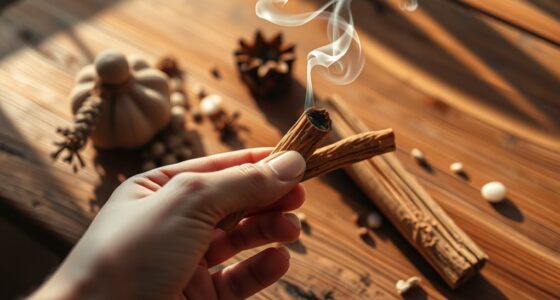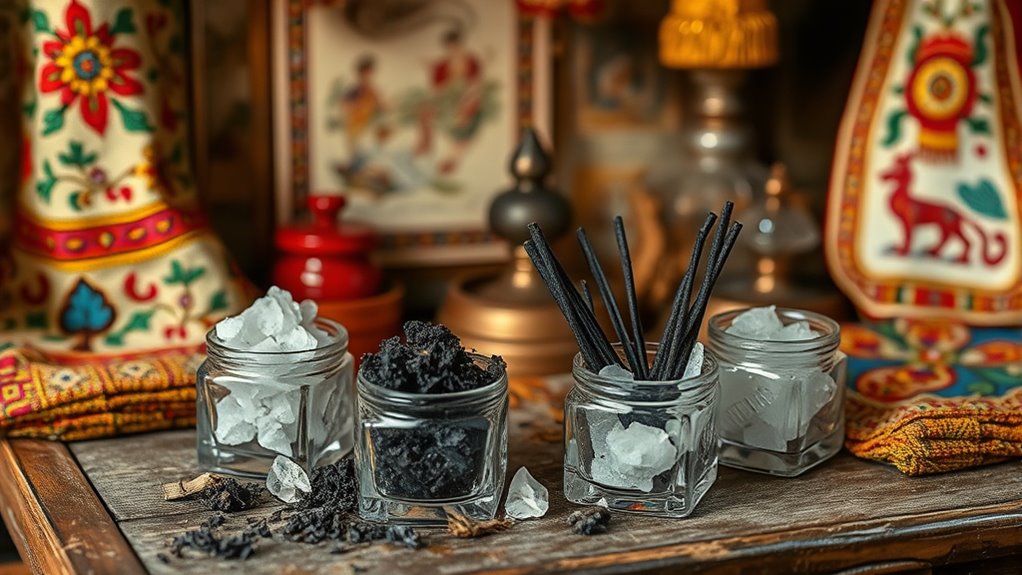

In folklore, camphor and naphthalene are seen as symbols of protection, purification, and safety. People burn camphor during prayers and rituals to ward off evil and invite divine blessings. Naphthalene, often used as mothballs, is believed to keep negative energies and harmful forces away from homes. Their spiritual significance blends with their practical uses, reinforcing their mystical status across cultures. If you want to understand how they’ve shaped traditions, there’s more to uncover.
Key Takeaways
- Camphor and naphthalene are symbols of protection, purification, and spiritual well-being in various cultural folklore.
- Burning camphor is believed to ward off evil spirits and purify sacred spaces during rituals.
- Naphthalene, especially as mothballs, is thought to safeguard homes and belongings from negative energies.
- Their practical uses as fumigants historically intertwined with superstitions of spiritual protection.
- These substances continue to hold cultural significance in traditional ceremonies and folklore practices.
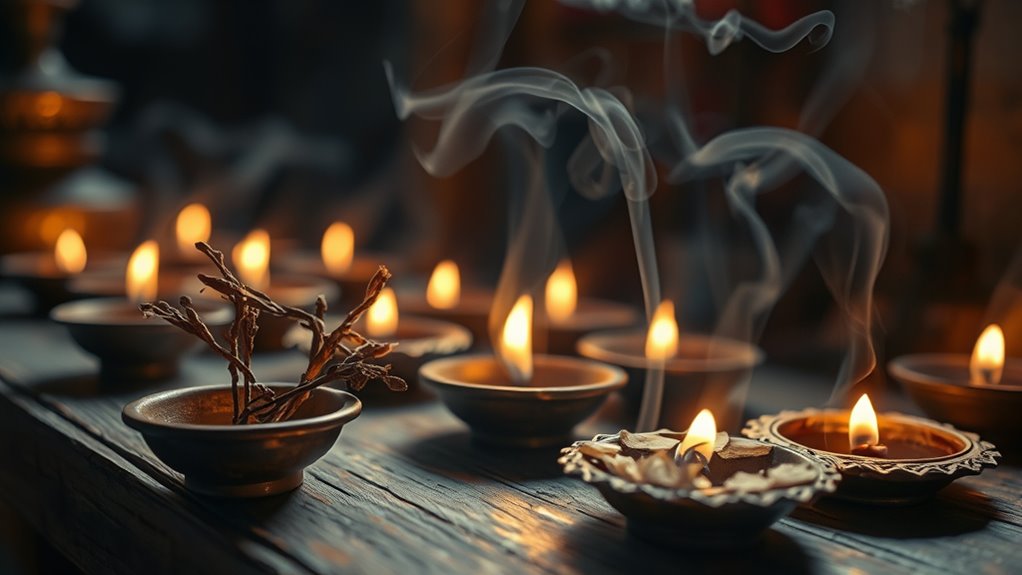
Have you ever wondered why camphor and naphthalene have long been associated with folklore and superstition? These substances have a rich history rooted in cultural symbolism and perceived medicinal uses that stretch across different societies. Throughout centuries, people believed that burning or displaying camphor could ward off evil spirits, bring good luck, or purify spaces. Similarly, naphthalene, often recognized as mothballs, was thought to protect homes from malevolent forces by keeping negative energies and pests at bay. This intertwining of practical use and superstition gave these substances a mystical aura, making them central to various rituals and traditions.
Camphor and naphthalene have long been symbols of protection and purification in cultural folklore.
In many cultures, camphor’s medicinal uses extend beyond its physical applications. People believed that inhaling its aroma could clear the mind, improve concentration, and even heal spiritual ailments. It was common to burn camphor during religious ceremonies or during prayers, symbolizing purity and divine presence. Its strong scent was thought to purify not just physical spaces but also the spiritual environment, pushing away evil influences. This cultural symbolism of camphor as a purifier persists today, especially in Hindu rituals, where it’s used in offerings and prayer ceremonies. Its role as a spiritual cleanser reinforced its status as a sacred substance, embodying both physical and metaphysical protection. Additionally, the ritual use of these substances often involved specific cultural practices that reinforced their significance in community traditions.
Naphthalene’s cultural symbolism is more pragmatic but no less significant. Historically, it was used to keep moths and pests away, but people also believed it could protect households from supernatural threats. The idea was that the fumes emitted by naphthalene could create a barrier against negative spirits or energies, therefore safeguarding the home. Its presence in folklore was often linked to notions of protection and warding off harm, especially in rural communities where superstition played a central role in daily life. Over time, this symbolic role cemented naphthalene’s place in cultural practices, even as scientific understanding clarified its uses as a fumigant.
Both camphor and naphthalene became more than substances—they became symbols of safety, purity, and spiritual well-being. Their association with folklore is rooted in their practical uses, which were often intertwined with beliefs about their protective and purifying powers. Whether burned in religious ceremonies or placed in homes, these substances served as tangible links between the physical world and spiritual realms, reinforcing their importance in cultural narratives and superstitions that persist even today.

Pure Camphor Blocks 140Grams – Indian Natural Refined Camphor Tablets Cubes for Puja Alcanfor Religious Purpose Kapoor Puja Ritual Staff – 18 Tablets (5oz)
Quantity and Weight – Each box contains 18 tablets pure natural camphor blocks, providing you with a generous…
As an affiliate, we earn on qualifying purchases.
As an affiliate, we earn on qualifying purchases.
Frequently Asked Questions
Are There Any Modern Medicinal Uses for Camphor and Naphthalene?
Modern medicinal uses for camphor and naphthalene are limited but still present in traditional remedies and aromatherapy practices. You might find camphor in topical treatments for coughs, muscle pain, and congestion, as it provides a cooling sensation. Naphthalene, however, is mainly used in mothballs and isn’t recommended for medicinal purposes due to health risks. Always consult a healthcare professional before using these substances in any treatment.
How Do Different Cultures Historically Used Camphor and Naphthalene?
Imagine you’re stepping into a time capsule—different cultures, centuries ago, used camphor and naphthalene in cultural rituals and traditional medicines. In Asia, camphor was burned in ceremonies to ward off evil spirits, while in Europe, naphthalene was used to preserve textiles and protect homes from pests. These substances held spiritual and practical significance, reflecting their deep roots in historical practices across diverse societies.
What Are the Environmental Impacts of Harvesting Camphor and Naphthalene?
When you harvest camphor and naphthalene, you cause environmental degradation and resource depletion. Overharvesting can damage ecosystems, harm wildlife, and reduce the availability of these resources for future use. Your actions can accelerate deforestation and pollution, threatening biodiversity. To minimize impact, sustainable practices are essential, ensuring that harvesting doesn’t deplete resources or harm the environment, helping preserve ecosystems for generations to come.
Are There Any Health Risks Associated With Folklore-Based Uses?
You might think folklore uses are harmless fun, but there are real toxicity concerns. While traditional remedies seem safe, ingesting or applying camphor and naphthalene without proper safety precautions can cause serious health risks like poisoning or respiratory issues. Always respect the potential dangers, and avoid assuming that old stories guarantee safety. Your best bet is to consult healthcare professionals before trying any folklore-based treatments, for your safety.
How Have Perceptions of Camphor and Naphthalene Changed Over Time?
Perception shifts and cultural reinterpretations have transformed how you view camphor and naphthalene over time. Once seen as mystical protectants, people now recognize potential health risks, prompting more cautious use. You might notice that modern science has influenced these perceptions, emphasizing safety and environmental concerns. As understanding deepens, your attitude shifts from superstition to informed awareness, encouraging responsible use based on current knowledge rather than folklore alone.
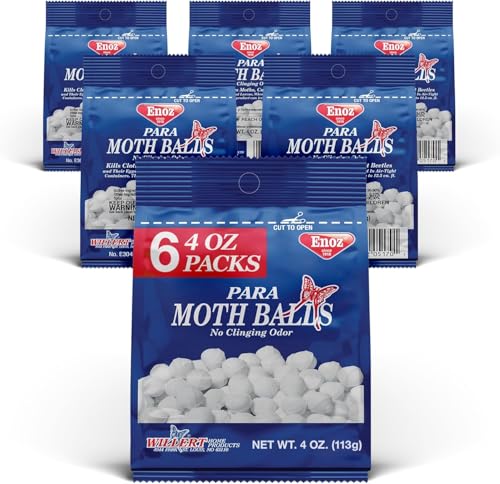
Enoz para Moth Balls for Closets and More – Kills Clothes Moths and Carpet Beetles – Moth Balls for Indoor Use – No Clinging Odor – 4 Oz, 6 Pack
ENOZ PARA MOTH BALLS: These moth balls kill destructive moths, moth eggs, and moth larvae; Para Moth Balls…
As an affiliate, we earn on qualifying purchases.
As an affiliate, we earn on qualifying purchases.
Conclusion
You see, folklore about camphor and naphthalene weaves tradition with caution, belief with superstition. You hear stories that warn, stories that protect, stories that connect you to the past. You feel the power of these substances in culture, in memory, in folklore. They serve as symbols, safeguards, and stories. And as you explore their legends, you realize they remind you of the timeless human desire: to understand, to protect, and to believe.

SOUL STICKS Natural Camphor Blocks, Pure Camphor Tablets for Aromatherapy & Puja – Alcanfor en Bloques, Alcanfor en Bolitas, Kapoor for Pooja (56 Grams (12 Tablets))
Natural Camphor Balls – Enjoy our natural camphor balls, also known as alcanfor tablets, bhimseni camphor, and blue…
As an affiliate, we earn on qualifying purchases.
As an affiliate, we earn on qualifying purchases.

Ritual – Purification Incense Sticks, Purifying Comforting Aroma, 6 Sticks, 9 Inches Each, Natural Incense with Aromatic Concentrated Oil, Charcoal, Natural Binder & Salt – 1 Hour Burn Time
PURIFYING COMFORTING AROMA: Light these charcoal incense sticks to create a serene space and let the comforting aroma…
As an affiliate, we earn on qualifying purchases.
As an affiliate, we earn on qualifying purchases.