
To establish a chain of custody for media, you start by carefully identifying and collecting relevant digital evidence, packaging it securely with proper labels and seals. Next, record every transfer or handling, noting who handled it and when, using detailed logs. Create exact duplicates using write-blockers and document each step. Throughout analysis and storage, limit access and maintain thorough records. Following strict procedures helps guarantee the media stays credible and admissible—continue to learn more about these critical steps.
Open a free Amazon Business account
Business pricing, bulk buying and tax-exempt orders.
As an affiliate, we earn on qualifying purchases.
Key Takeaways
- Properly identify, package, and label digital media at the scene, documenting all details meticulously.
- Record every transfer with signed chain of custody forms, noting personnel, timestamps, and handling conditions.
- Create forensically sound duplicates using write-blockers, maintaining original media in secure, controlled environments.
- Restrict access to original media during analysis, working only on copies and documenting all procedures and tools used.
- Maintain an unbroken, detailed record of collection, transfer, analysis, and storage to ensure evidence integrity and admissibility.
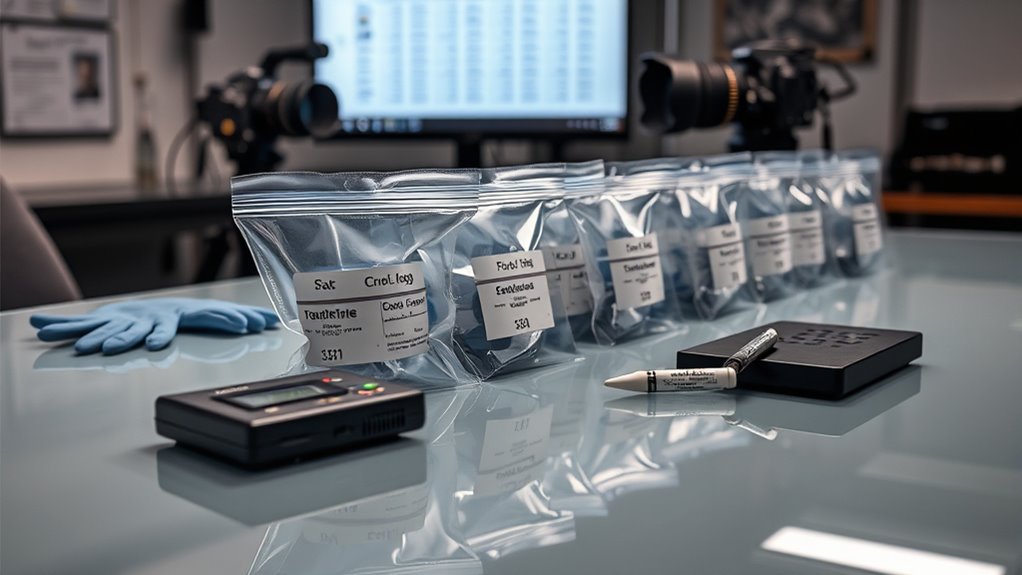
Maintaining a clear chain of custody for media is essential to guarantee the integrity and admissibility of digital evidence. In digital forensics, preserving evidence integrity is your top priority, as any lapse can compromise the entire case. When handling media, you must meticulously document each step, from collection to presentation, ensuring that the evidence remains unaltered. This process begins the moment you identify digital media relevant to an investigation. You should carefully package and label the media, noting details like date, time, location, and person responsible for collection. Using tamper-evident seals and proper storage containers helps prevent unauthorized access and maintains the integrity of the evidence. Additionally, understanding the types of cookies used on digital platforms can help forensic experts track digital footprints and user activity more effectively.
As you transfer media between locations or personnel, every movement must be recorded precisely. This includes documenting who handled the media, when they handled it, and under what conditions. Digital forensics experts often utilize chain of custody logs or forms that are signed and dated at each transfer point. These records serve as a transparent trail, demonstrating that the evidence has not been altered or tampered with during its lifecycle. When making copies of digital media, you need to create forensically sound duplicates, ensuring that the copies are exact replicas without any data loss or modification. The use of write-blockers during duplication is critical, as it prevents accidental changes to the original media.
Throughout the investigation, keep the original media secure, ideally in a controlled environment with restricted access. Maintaining a strict log of access ensures that only authorized personnel handle the media, which strengthens the evidence integrity and supports the credibility of your digital forensic process. When it’s time to analyze the evidence, work on copies rather than the original media to avoid any potential contamination. Document every step of your analysis process, including tools used, settings, and findings, to uphold transparency.
Finally, when presenting digital evidence in court, you must be able to demonstrate a clear and unbroken chain of custody. This means having detailed records that show how the evidence was collected, stored, transferred, and analyzed. Any gaps or inconsistencies can be exploited and may jeopardize the case. By following strict procedures and maintaining detailed documentation, you ensure that the digital evidence remains credible and admissible, reinforcing the integrity of the entire digital forensics process.
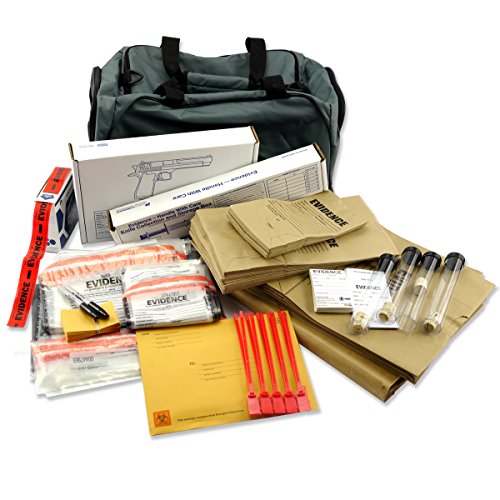
Evidence Packaging Kit
- Durable black expandable bag: Sturdy black expandable bag for evidence
- Comprehensive packaging supplies: Includes enough supplies for most crime scenes
- Versatile evidence packaging: Flexible options for various evidence types
As an affiliate, we earn on qualifying purchases.
As an affiliate, we earn on qualifying purchases.
Frequently Asked Questions
How Do I Handle Digital Media With Multiple Users?
When handling digital media with multiple users, you should implement strict media management and digital forensics protocols. Certify each user logs their access and actions, maintaining a detailed record for chain of custody. Use secure methods for transferring media and create verified copies. Regularly audit access logs, and store original media securely. This approach preserves integrity, prevents tampering, and ensures accountability throughout the digital media’s lifecycle.
What Are the Consequences of Broken Chain of Custody?
Breaking the chain of custody can have severe consequences, risking evidence tampering and chain of custody violations. If the chain is broken, your evidence might be challenged or dismissed in court, undermining your entire case. You could face legal penalties, loss of credibility, or accusations of manipulating data. Stay vigilant—any break in custody creates doubt, and that doubt can destroy your case before it even begins.
How Can I Verify Media Authenticity During Transfer?
To verify media authenticity during transfer, you should use hash verification to guarantee the file hasn’t been altered. Additionally, digital watermarking can help confirm the media’s origin and integrity. Before transferring, generate a hash value and compare it at each step. Keep an eye out for digital watermarks embedded in the media. These measures help you maintain trust in the media’s authenticity throughout the transfer process.
What Tools Assist in Maintaining Custody Records?
Ever wondered what tools keep your custody records secure? Digital signatures and audit trails are essential. Digital signatures verify your media’s authenticity, ensuring it hasn’t been altered. Audit trails record every transfer detail, creating a transparent history. These tools help you maintain an unbroken chain of custody, giving you confidence in your media’s integrity while making it easier to track and verify during each transfer.
How Long Should Custody Records Be Retained?
You should retain custody records for at least the duration required by your jurisdiction’s record retention policies, often ranging from one to several years. This guarantees legal compliance and provides a clear trail for audits or investigations. Regularly review and update your retention schedule to align with any legal changes. Proper record retention not only safeguards you legally but also helps maintain the integrity of your media chain of custody.
Conclusion
Maintaining a strict chain of custody for media isn’t just about protocol—it’s about protecting the integrity of your evidence. Did you know that 80% of digital evidence is challenged in court due to improper handling? By following these steps carefully, you guarantee your media remains credible and admissible. Stay diligent, document every transfer, and safeguard your case’s integrity. Your attention to detail can make all the difference in achieving a just outcome.
College move-in / dorm season Picks
dorm essentials
As an affiliate, we earn on qualifying purchases.