Yes, spirits definitely have smells that you can detect and enjoy. Their aromas come from ingredients, aging, and production methods, giving each one a unique scent profile. When you smell a spirit, you notice layers like fruity, spicy, woody, or floral notes. Properly exploring these scents can greatly enhance your appreciation and understanding of different spirits. If you want to learn how to identify these aromas and improve your tasting skills, there’s more to discover.
Key Takeaways
- Yes, spirits have distinct aromas that can be detected through proper tasting techniques.
- Aroma plays a crucial role in the overall sensory experience and appreciation of spirits.
- Different spirits exhibit specific scent notes, such as fruity, spicy, woody, or floral.
- Developing aroma detection skills enhances understanding of a spirit’s origin and aging process.
- Smelling spirits reveals layered scents, providing insights beyond just taste.
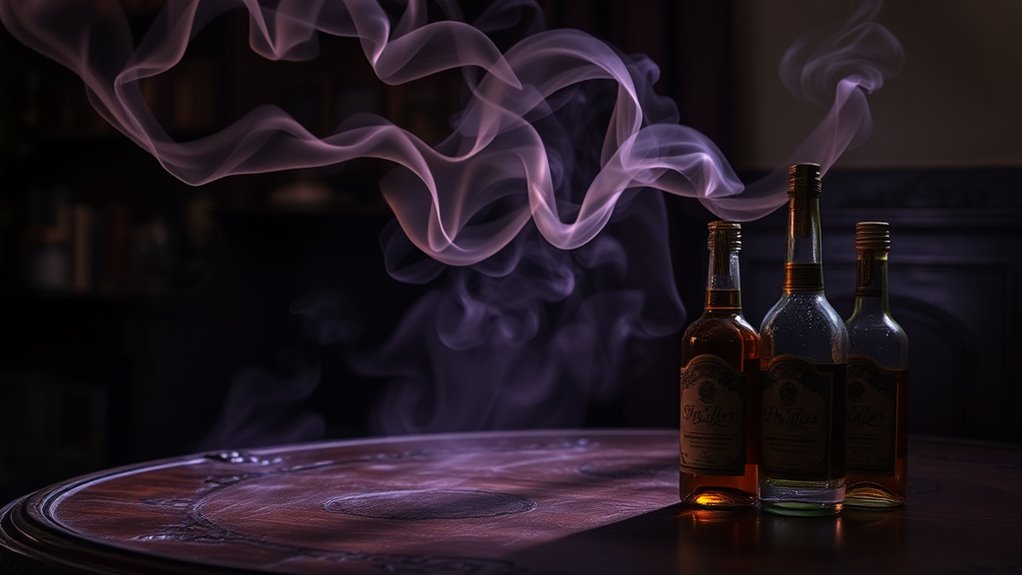
Have you ever noticed how certain spirits seem to evoke specific smells, instantly transporting you to a different time or place? It’s no coincidence. The aroma of a spirit plays a vital role in your overall experience, and understanding how to detect these smells can elevate your tasting game. When you approach a spirit, engaging in proper tasting techniques is key. Instead of rushing, take a moment to swirl the drink gently in your glass. This releases the volatile compounds, making aroma detection easier. As you bring the glass closer, breathe in slowly through your nose. Notice the layers of scent—fruity, spicy, woody, or floral. These subtle notes tell a story about the spirit’s origins and aging process. Developing your aroma detection skills can greatly enhance your appreciation for complex spirits.
Your ability to recognize and interpret these smells depends on your aroma detection skills. The more you practice, the sharper your senses become. Start by identifying primary aromas—the initial scents you perceive upon smelling the spirit. These are often the most prominent and easiest to detect. Then, move to secondary and tertiary aromas, which are more nuanced and develop as you continue to breathe in and analyze. For example, a whiskey might initially smell of caramel and vanilla, but with deeper aroma detection, you might notice hints of oak, dried fruit, or spice. This layered complexity is what makes spirits intriguing and memorable.
Sharpen your senses by identifying primary, secondary, and tertiary aromas in spirits.
Tasting techniques aren’t just about flavor; they’re about embracing the full sensory experience. Engage your olfactory senses first, because smell is closely tied to taste. When you sip, do so slowly, allowing the liquid to coat different parts of your tongue. This helps you pick up the balance of sweetness, bitterness, and acidity, but it all starts with those initial aromas. If you’re serious about understanding whether a spirit has a particular scent—say, a smoky note in a scotch or a citrus burst in a gin—your aroma detection skills will guide you. Practice by comparing different spirits side by side, noting how their scents differ and what qualities stand out.
In essence, spirits do have smells, and your ability to perceive and interpret them depends on your tasting techniques and aroma detection. The more attentive you are, the more you’ll uncover hidden layers of aroma that tell the story behind each bottle. So next time you indulge, take a moment to smell deeply, identify the notes, and enjoy the rich sensory tapestry that spirits offer.
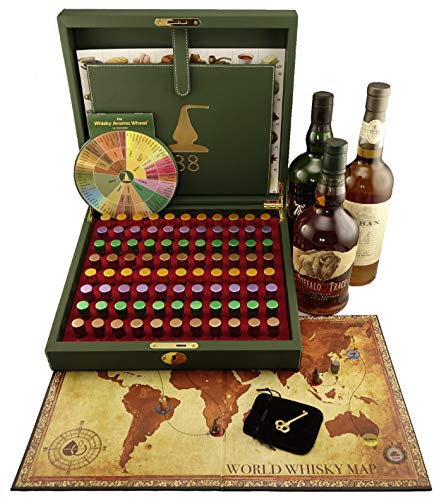
Master Whiskey Aroma Kit by Aromaster – 88 aromas (The Whiskey Aroma Wheel and Game included)
World's most comprehensive whiskey aroma collection with its 88 aromas. The Master Whiskey Aroma Kit has been designed…
As an affiliate, we earn on qualifying purchases.
As an affiliate, we earn on qualifying purchases.
Frequently Asked Questions
Can Spirits Smell Different to Each Person?
Yes, spirits can smell different to each person because of personal scent perceptions and cultural interpretations. Your unique scent sensitivities influence how you experience these aromas, making them feel distinct from others’. Cultural backgrounds also shape how you interpret these smells, adding layers of meaning. So, what smells strong or subtle to you might be perceived differently by someone else, highlighting the subjective nature of aroma experiences.
Do Spirits Emit Smells Only During Specific Conditions?
Spirits tend to emit smells only under specific conditions, like when psychic sensitivity is heightened or during particular moments. Think of it as a whisper carried on the wind—sometimes it’s clear, other times silent. Your scent perception can be influenced by environment, emotional state, or your openness, making these conditions the key to catching those elusive aromas. When the moment’s right, the scent of spirits becomes more than just a fading memory.
Are Certain Spirits More Likely to Have a Strong Odor?
Yes, certain spirits are more likely to have a strong odor due to aroma consistency and scent persistence. You’ll notice that aged or unfiltered spirits, like whiskey or absinthe, tend to have a more pronounced aroma, lingering longer. Factors like ingredients and distillation methods influence scent strength, so some spirits naturally emit a stronger odor, making their aroma more noticeable and persistent compared to more neutral spirits like vodka.
How Do Environmental Factors Influence Spirit Smells?
Environmental factors greatly influence spirit smells by affecting aroma transmission and scent perception. Imagine a room filled with fresh herbs; the aroma amplifies the scent, making it more noticeable. Similarly, high humidity can enhance a spirit’s aroma, while strong odors or airflow can mask it. You might notice how your perception of a scent changes based on surroundings, revealing how environment shapes our experience of aroma transmission in spirits.
Can Spirits’ Smells Be Detected Without Direct Contact?
Yes, you can detect spirits’ smells without direct contact if your sensor sensitivity is high enough. Electronic noses and specialized detectors pick up scent molecules in the air, especially if the smell has good scent longevity. These devices analyze airborne particles, allowing you to sense the scent from a distance. Keep in mind, environmental factors like airflow and humidity can influence detection, so ideal conditions improve your chances.
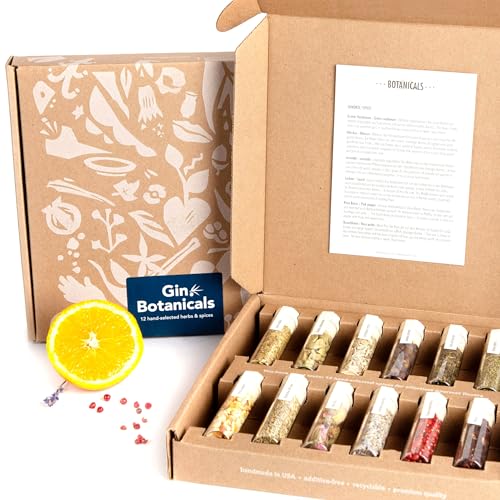
DO YOUR GIN BOTANICALS | Gin Spices Gift Set for Men & Women | Bartender Gift Basket | Herbs for Homemade Gin | 12 Natural Spices for DIY Gin Infusions | Birthday Gift for Her, Him
BOHO BARTENDER: BOTANICALS by DO YOUR GIN provides a selection of 12 herbs, plants, and spices to create…
As an affiliate, we earn on qualifying purchases.
As an affiliate, we earn on qualifying purchases.
Conclusion
So, do spirits have smells? While some believe they emit subtle scents, others say nothing at all. It’s a paradox—an invisible presence with the power to evoke aroma or silence. You might catch a whiff of something unexplainable, or remain in the dark, scentless. Whether real or imagined, it’s this mystery that keeps you guessing—waiting to smell or not smell, forever caught between the seen and unseen.

Wine Aroma Masterclass Kit – 24 Signature Aromas + Instruction Guide
Missing 95% of Every Wine Ever read a tasting note describing "blackcurrant and violets" and wondered if you're…
As an affiliate, we earn on qualifying purchases.
As an affiliate, we earn on qualifying purchases.

1 Liter Oak Aging Barrel with Wood Stand, Bung & Spigot – Mini Whiskey Barrels for The Home Alcohol Distiller, Moonshiner & Winemaker – Age Cocktails, Bourbon, Whisky, Tequila, Rum, Mead Wine (1L)
HOW DOES A SMALL 1 LITER OAK AGING BARREL WORK? Due to the high proportion of liquid in…
As an affiliate, we earn on qualifying purchases.
As an affiliate, we earn on qualifying purchases.