To describe unusual sounds effectively in a report, focus on vivid, specific details that evoke their unique qualities. Use sound symbolism with descriptive adjectives like shrill, jarring, or muffled to capture the sound’s core nature. Incorporate onomatopoeic words such as clang or hiss, and compare the sounds to familiar noises or contexts. Pay attention to rhythm and intensity to add clarity and impact. Keep exploring to discover how precise language can make even the most uncommon sounds come alive.
Open a free Amazon Business account
Business pricing, bulk buying and tax-exempt orders.
As an affiliate, we earn on qualifying purchases.
Key Takeaways
- Use specific adjectives that capture the sound’s unique qualities, like “shrill,” “grating,” or “muffled.”
- Incorporate onomatopoeic words to mimic the sound directly, such as “hiss,” “clank,” or “whirr.”
- Provide contextual comparisons to familiar noises for clearer imagery, like “similar to a distant siren.”
- Describe the sound’s rhythm, pitch, and intensity to convey its unusual nature effectively.
- Combine descriptive language with sensory details to create vivid, immersive impressions for the reader.
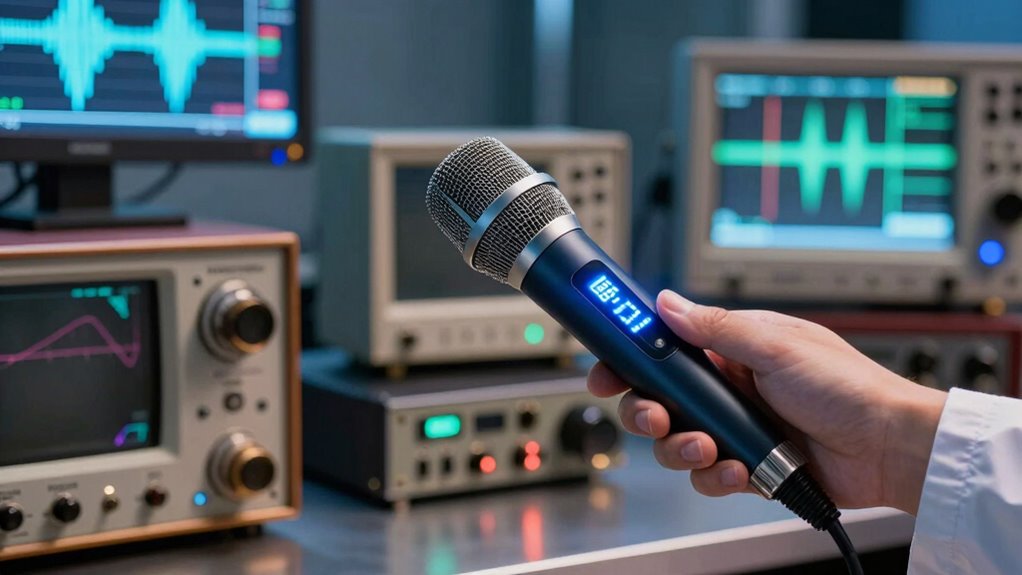
Have you ever encountered an unusual sound and struggled to describe it accurately in a report? It’s a common challenge, especially when words seem insufficient to capture the essence of what you’ve heard. To effectively communicate these sounds, understanding sound symbolism can be a game-changer. Sound symbolism involves using words whose sounds evoke particular qualities or feelings, making your descriptions more vivid and intuitive. When you incorporate descriptive adjectives, you help your reader visualize the sound more clearly, bridging the gap between auditory experience and written language.
Start by focusing on the core qualities of the sound. Is it sharp, shrill, muffled, or resonant? These descriptive adjectives serve as anchors, guiding your reader to imagine the sound’s character. For example, instead of saying “a loud noise,” specify “a piercing, high-pitched squeal,” which paints a more precise picture. The key is to choose adjectives that evoke sensory perceptions, allowing your audience to almost hear the sound through your words. Words like “droning,” “clattering,” or “whispering” carry inherent sound symbolism, as their phonetic qualities mirror the sounds they describe. The use of onomatopoeic words, such as “buzz,” “clang,” or “hiss,” also taps into sound symbolism, making descriptions more immediate and relatable.
When describing unusual sounds, it’s helpful to compare them to familiar noises. This technique leverages shared understanding, enabling your reader to instantly grasp the sound’s nature. For instance, describing a mechanical hum as “a monotonous drone reminiscent of a distant airplane engine” uses both sound symbolism and relatable imagery. Also, consider the context of the sound—does it crackle like static, drip like water, or thud like footsteps? These comparisons, paired with specific adjectives, create a layered, multidimensional description. Recognizing the importance of sound symbolism can significantly enhance the vividness of your descriptions by aligning phonetic qualities with sensory perceptions.
Moreover, pay attention to the rhythm and intensity of the sound. Is it intermittent or continuous? Harsh or gentle? Words like “jarring,” “mellow,” “staccato,” or “smooth” add nuance, giving your report depth. When you combine sound symbolism with well-chosen adjectives, you craft a dynamic, immersive description that guides your reader’s auditory imagination. Remember, the goal is to make the reader *hear* the sound through your words, so be precise, vivid, and intentional in your choices. With practice, describing unusual sounds will become less formidable, and your reports will gain clarity, accuracy, and engaging detail.

Decibel Meter, TopTes TS-501B Sound Level Meter with 2.25” Backlit LCD Screen, Portable SPL Tester with A/C Weighted, Range 30-130dB, MAX/MIN, Data Hold, Use for Home, Noisy Neighbor, Factory – Orange
- Large Backlit LCD Screen: 2.25-inch display for easy reading
- A/C Weighting Function: Measures noise from 30-130dB accurately
- Max/Min Recording: Tracks peak and lowest sound levels
As an affiliate, we earn on qualifying purchases.
As an affiliate, we earn on qualifying purchases.
Frequently Asked Questions
How Can I Differentiate Between Similar Unusual Sounds?
To differentiate between similar unusual sounds, use sound symbolism and precise acoustic terminology. Focus on specific qualities like pitch, duration, and intensity, and relate them to familiar concepts. For example, describe a sound as “sharp,” “muffled,” or “buzzy,” which helps clarify its character. Comparing sounds based on these attributes makes your report clearer. Active observation and accurate terminology guarantee you distinguish similar sounds effectively.
What Tools Are Best for Recording Unusual Sounds?
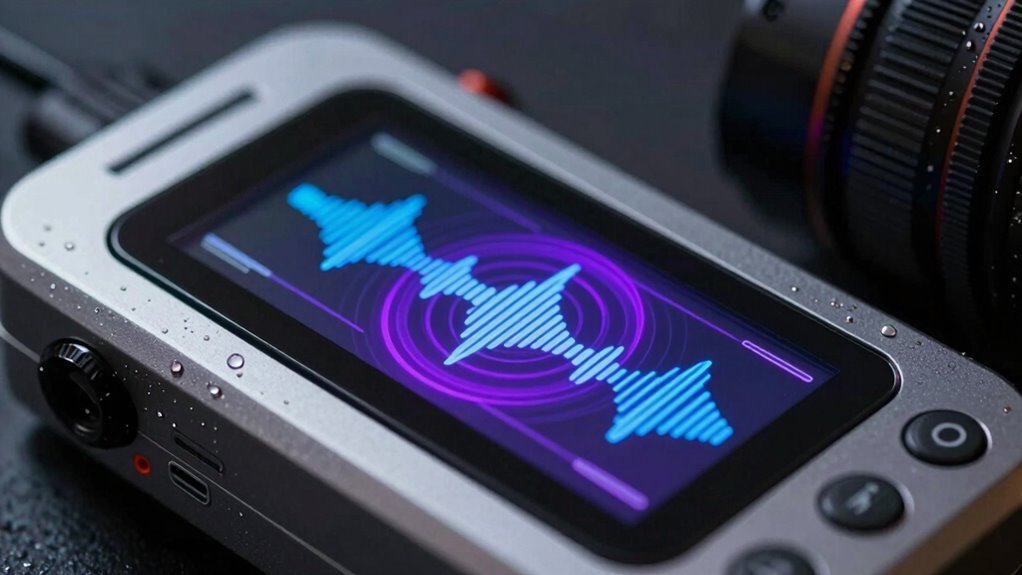
You should use high-quality recording equipment, like digital recorders with sensitive microphones, to capture unusual sounds clearly. Incorporate sound visualization tools, such as spectrograms or waveform analyzers, to help you analyze and differentiate these sounds accurately. These tools enhance your understanding of sound patterns, making it easier to identify and describe the unique qualities of each noise in your report.
How Detailed Should My Sound Descriptions Be?
You should aim for enough detail to evoke the sound vividly, like describing a whisper turning into a distant thunderclap. Use sound symbolism to convey qualities—sharp, muffled, metallic—enhancing descriptive accuracy. Be specific but concise, capturing nuances without overwhelming. Your goal is to paint a clear auditory picture, helping readers truly hear the unusual sound through your words, making your report both precise and engaging.
Can I Include Audio Clips in My Report?
Yes, you can include audio clips in your report, but guarantee they enhance your description. Use sound symbolism and precise acoustic terminology to clarify the sounds’ nature. Embedding audio helps readers grasp subtle nuances that words might miss, like pitch, timbre, or rhythm. Make sure the clips are clear and relevant, and reference them accurately in your text, so readers understand their significance and how they relate to your detailed sound descriptions.
How Do I Handle Subjective Interpretations of Sounds?
You should acknowledge subjective perception when describing unusual sounds. Use descriptive language to convey your impressions clearly, noting how the sound affects you or others. To maintain objectivity, compare the sound to familiar noises or include multiple observers’ impressions. This approach guarantees your report remains informative and balanced, even when perceptions vary. Be transparent about any uncertainties, and avoid overgeneralizing, so readers understand the subjective nature of your descriptions.
Conclusion
When describing unusual sounds, think of them as whispers from a hidden world, inviting your reader to listen closely. Your words become a bridge, transforming mysterious echoes into vivid images that spark curiosity. By capturing these sounds with clarity and imagination, you turn an abstract noise into a story worth exploring. Remember, each strange sound is a secret waiting to be revealed—like a key opening a door to unseen stories beyond the ordinary.
Pool season Picks
robotic pool cleaners
As an affiliate, we earn on qualifying purchases.