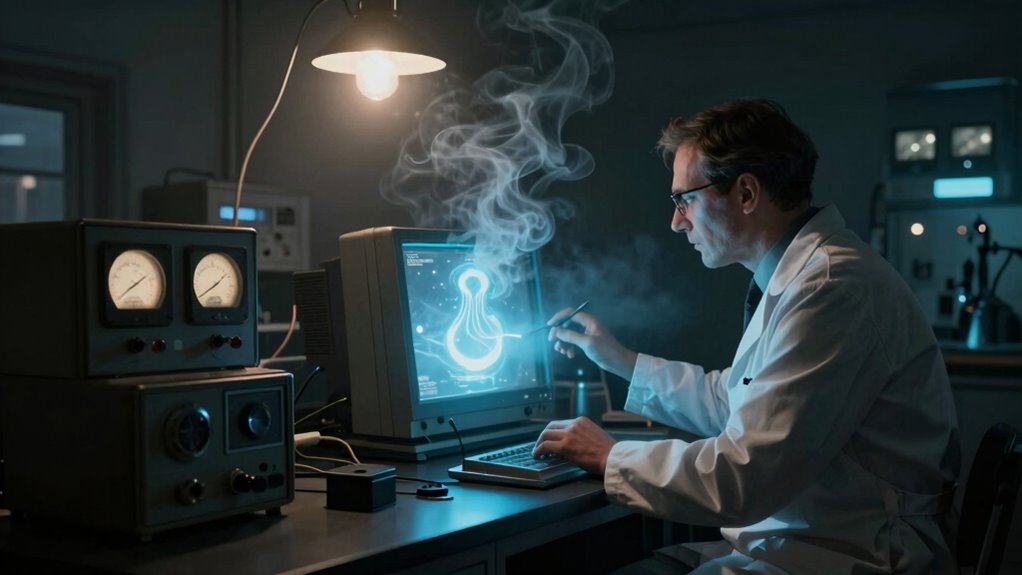

In the 20th century, paranormal research shifted from superstitious folklore to a more scientific approach thanks to technological advances like electromagnetic meters, infrared cameras, and audio recorders. Governments, especially in the U.S., secretly explored psychic phenomena for military purposes, adding a layer of intrigue. Media coverage and scientific collaborations encouraged a more analytical view, though skeptics remained. To uncover how these changes shaped paranormal investigations, you can explore further details behind these fascinating transformations.
Key Takeaways
- Adoption of electronic devices like EMF meters and infrared cameras enabled systematic documentation of paranormal phenomena.
- Governments, especially during the Cold War, conducted secret projects exploring psychic and remote viewing abilities.
- Media and scientific publications increased public and academic acceptance of paranormal research as a more credible field.
- Researchers developed standardized methodologies and collaborated with mainstream science to improve investigation validity.
- Ongoing skepticism and controversy highlighted the challenges of establishing scientific legitimacy for paranormal studies.
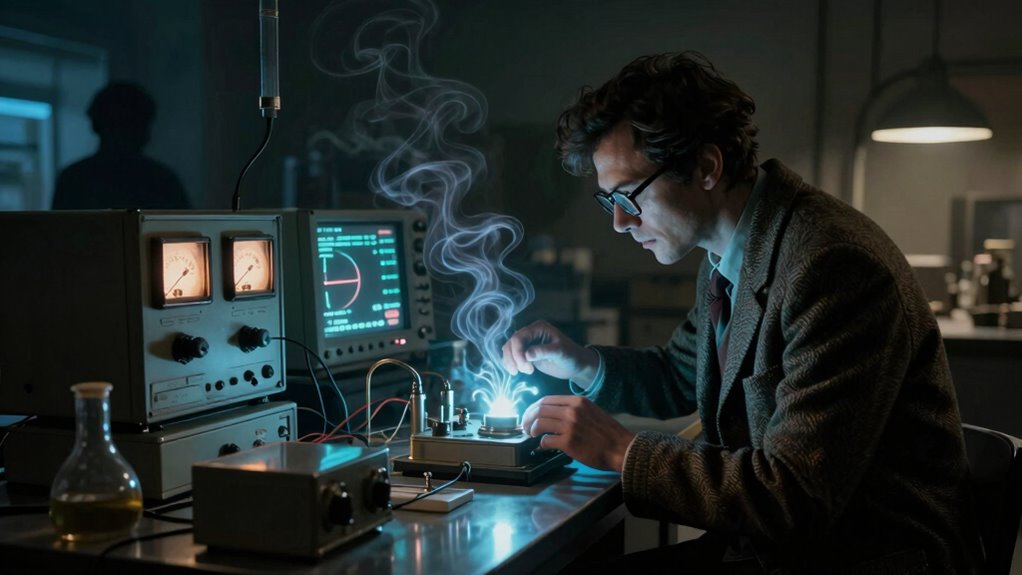
Have you ever wondered how the study of the paranormal evolved during the 20th century? This period marked a significant shift from folklore and anecdotal accounts to more systematic and scientific approaches. As technology advanced, so did the tools used to explore unexplained phenomena. Electronic devices became central to paranormal investigations, transforming the way you could detect and analyze strange occurrences. Devices like electromagnetic field meters, infrared cameras, and audio recorders allowed investigators to document phenomena that previously went unnoticed or could not be measured. These tools gave the field a veneer of scientific rigor, helping to legitimize claims of paranormal activity and attract more serious researchers and enthusiasts.
Alongside technological innovation, government investigations played a pivotal role during this century. Governments, especially in the United States, became interested in the potential military or intelligence applications of paranormal phenomena. During the Cold War, the U.S. government launched secret programs, like Project Stargate, to explore psychic abilities and remote viewing for espionage. These investigations aimed to determine whether individuals could perceive distant or hidden targets, and they reflected a shift from mere curiosity to strategic military interest. You might find it surprising that some of these programs remained classified for decades, fueling speculation and conspiracy theories about government involvement in paranormal research. Still, they marked a clear move toward formalized investigations and a recognition that unexplained phenomena could have broader implications beyond personal experiences.
In this era, the public’s interest also changed. Media coverage, books, and documentaries began to present paranormal phenomena with more scientific credibility, encouraging you to view these phenomena through a more analytical lens. The increased use of electronic devices in investigations provided tangible data, which helped challenge earlier dismissals of paranormal claims as mere superstition. Researchers started to publish their findings in scientific journals and to collaborate with academics, attempting to bridge the gap between the paranormal and mainstream science. This shift was not without controversy. Skeptics questioned the reliability of electronic devices and the interpretation of data, emphasizing the need for rigorous controls and reproducibility. Additionally, the development of scientific methodologies in paranormal research aimed to improve the reliability and validity of investigations, further integrating science into the field. The importance of standardized protocols became evident as they helped ensure consistency across different studies and investigators. Moreover, the integration of peer review processes helped to establish standards for credible research and distinguish serious studies from sensationalism. These advancements collectively contributed to a more rigorous scientific approach to understanding the paranormal during the 20th century.
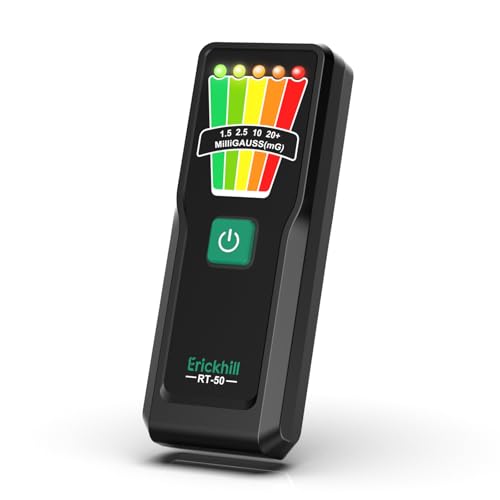
ERICKHIL Handheld EMF Meter, 5-Level LED Alerts,Ghost Hunting Equipmen
- Wide Range EMF Detection: 30Hz–20kHz detection from appliances to industrial machines
- 5-Level LED Alerts: Color-coded alerts from green to red
- Compact & Lightweight: Only 3.2oz, pocket-sized for portability
As an affiliate, we earn on qualifying purchases.
As an affiliate, we earn on qualifying purchases.
Frequently Asked Questions
What Were the Main Technological Tools Used in 20th-Century Paranormal Research?
You relied on tools like EMF meters, infrared cameras, and audio recorders for spectral detection and ghost hunting. These devices helped you capture ghostly phenomena, such as unexplained noises or cold spots. You also used spirit boxes to communicate with spirits. These technological tools revolutionized paranormal research by providing tangible evidence, allowing you to investigate spectral activity more systematically and scientifically throughout the 20th century.
How Did Public Perception of Paranormal Phenomena Change During the Century?
You notice a shift in public perception as historical skepticism gives way to media sensationalism, fueling fears and fascination. As the century unfolds, more people begin questioning their beliefs, influenced by popular stories and sensational reports. This turbulence creates a mix of curiosity and doubt, making paranormal phenomena seem both real and elusive. The media’s portrayal shapes perceptions, turning whispers of the supernatural into widespread, compelling narratives.
Were There Any Government-Funded Paranormal Research Projects in the 20TH Century?
Yes, there were government-funded paranormal research projects in the 20th century. You might find it surprising that government secrecy fueled classified experiments, especially during the Cold War era. Agencies like the CIA and military organizations investigated psychic phenomena, remote viewing, and mind control. These covert operations aimed to explore potential military advantages, but many details remained hidden from the public, fueling speculation and conspiracy theories about government involvement in paranormal research.
How Did Cultural Differences Influence Paranormal Research Methods Globally?
Cultural influences and belief systems shape how you approach paranormal research globally. In some cultures, spiritual traditions and folklore guide investigations, leading you to focus on ancestral spirits or local legends. Elsewhere, scientific skepticism prompts you to rely on technological evidence and empirical methods. These cultural differences determine your research methods, whether emphasizing spiritual rituals or systematic data collection, reflecting how deeply belief systems influence your understanding of the paranormal worldwide.
What Controversies or Scandals Impacted the Credibility of Paranormal Research?
Imagine the curtain being pulled back—paranormal research faced scandals that shook its credibility, like debunking myths that turned out to be hoaxes. Ethical concerns, such as exploiting vulnerable subjects or faking evidence, further tarnished its reputation. These controversies made the public skeptical, forcing researchers to confront their methods and uphold rigorous standards. You see, trust in paranormal studies hinges on transparency and integrity, now more than ever.
Conclusion
As you explore the evolution of paranormal research in the 20th century, you realize how scientific methods gradually replaced superstition, though some still question the truth. While many experiments aimed to prove or disprove phenomena like ESP or ghosts, definitive evidence remains elusive. It’s fascinating to ponder whether future advancements might finally uncover the reality behind these mysteries. Until then, the debate persists, inviting you to keep questioning and exploring the unknown.