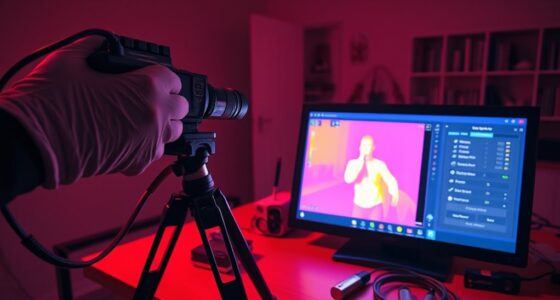

To review apparition claims frame by frame, start by examining each image closely for inconsistencies or signs of digital manipulation, such as abnormal lighting or blurred edges. Look for environmental clues like reflections, shadows, or objects that could explain the sighting. Check motion and timing for unnatural movements, and identify common video artifacts like lens flares or frame skips. Continuing further will equip you with detailed techniques to distinguish genuine phenomena from tricks.

Get books and cozy reading nights delivered free — and shop member deals
- Fast, free delivery on millions of items
- Access to Prime Big Deal Days deals on October 6–7
- Prime Video, Amazon Music and more included
Key Takeaways
- Analyze each frame individually for inconsistencies, digital artifacts, or signs of editing like blurring or unnatural movements.
- Examine shadows, reflections, and environmental factors to determine if objects cause visual anomalies.
- Check for abrupt frame changes, frame skipping, or compression artifacts indicating manipulation.
- Assess the movement and timing of the apparition for unnatural or jerky motion.
- Consider contextual background, cultural influences, and environmental factors to evaluate credibility.
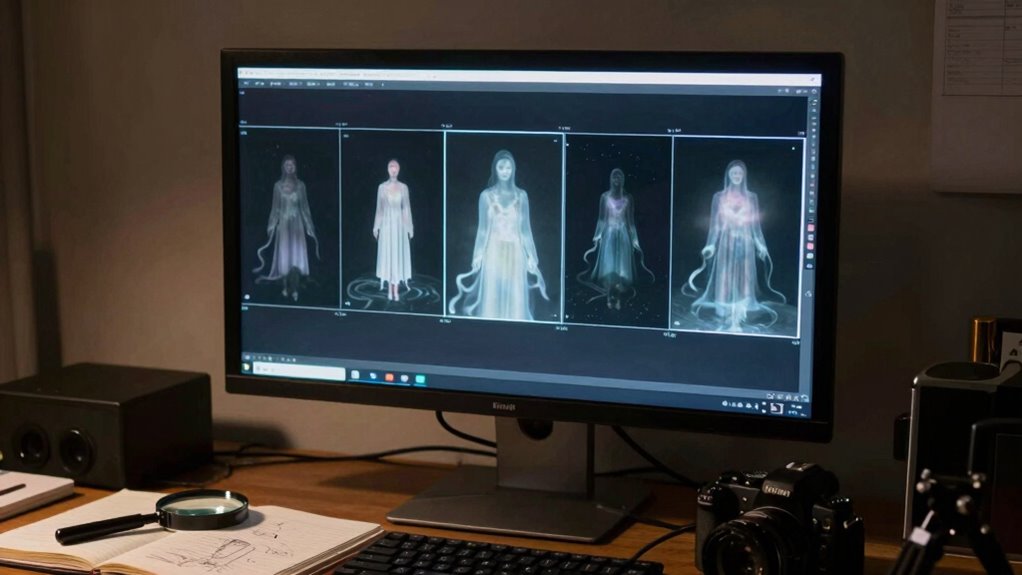
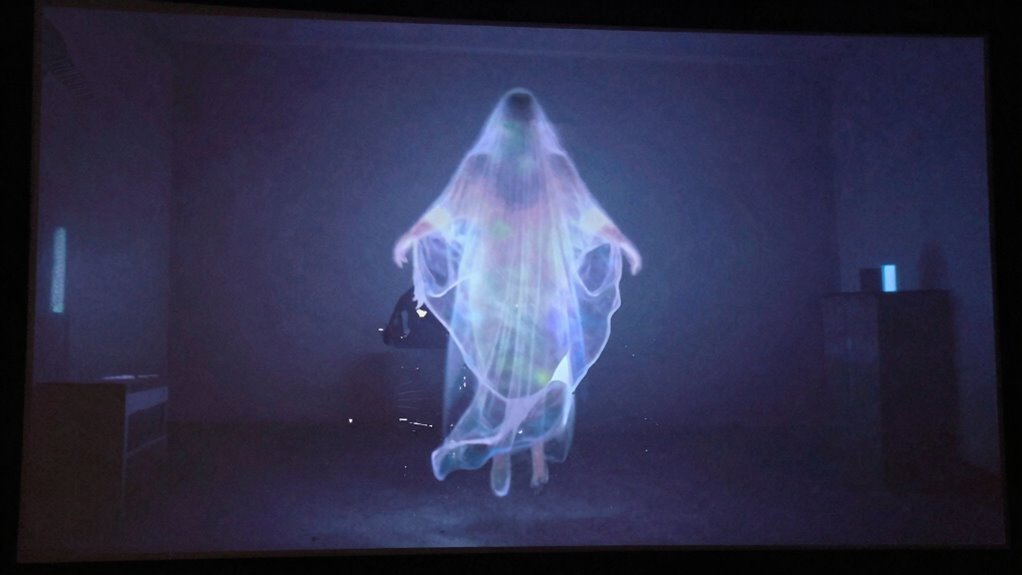
When you’re faced with an apparition claim, analyzing it frame by frame is essential to determine its authenticity. This method allows you to scrutinize every detail, identifying inconsistencies or signs of manipulation that might not be obvious at first glance. To do this effectively, start by examining the historical context surrounding the claim. Knowing the background, such as the location’s history, previous sightings, or cultural beliefs, helps you understand whether the event could be influenced by local folklore or psychological factors. This context can also reveal if the footage or photographs were taken during times when hoaxes or pranks were common, giving you a baseline for skepticism. Additionally, understanding the psychological factors involved can help explain why certain apparition claims seem convincing to viewers. Next, break down the footage or images into individual frames, using high-quality software if needed. Pay close attention to details like shadows, reflections, or unusual light sources. Look for signs of digital editing, such as inconsistent lighting, blurred edges, or abrupt changes between frames. Scientific explanations often relate to camera artifacts—like lens flares, double exposure, or compression distortions—that can produce ghostly apparitions or strange shapes. Recognizing these common anomalies helps you differentiate between genuine phenomena and trickery. For example, a flickering light might simply be a camera glitch, not an apparition. As you analyze each frame, consider motion and timing. Does the apparition move unnaturally or appear suddenly without a plausible source? Smooth, consistent movement often indicates digital manipulation, while abrupt, jerky motions might be caused by frame skipping or editing. It’s also important to evaluate the environment in the footage—are there objects or people that could have caused reflections or shadows? Often, what appears as a floating figure is just an object casting a shadow or a person moving out of frame. Moreover, understanding the camera techniques used in capturing footage can help you identify whether the recording was manipulated or staged. Familiarity with video artifacts and their causes can assist in quickly spotting potential falsifications, especially when combined with knowledge of common digital editing practices. Finally, combine your visual analysis with logical reasoning. Ask yourself if the apparition fits within the known scientific explanations or if it aligns more with folklore and superstition. Be mindful that many apparition claims are rooted in psychological factors, like pareidolia—the tendency to see familiar shapes in random patterns—or suggestibility. By carefully examining each frame and understanding the historical context along with scientific principles, you can approach apparition claims with a critical eye, separating genuine mystery from manufactured illusion.
As an affiliate, we earn on qualifying purchases.
Frequently Asked Questions
What Equipment Is Best for Detailed Frame-By-Frame Analysis?
You’ll want a high-resolution video player with frame-by-frame control, like VLC or QuickTime. A good quality monitor helps you see details clearly. For analyzing historical footage or mythical interpretations, consider software with zoom and annotation features, such as Adobe Premiere or DaVinci Resolve. These tools let you scrutinize every detail, making it easier to confirm or debunk apparition claims. Clear visuals and precise controls are key for detailed analysis.
How Can I Differentiate Between Genuine and Manipulated Footage?
To differentiate genuine from manipulated footage, start by analyzing historical footage for inconsistencies in lighting, shadows, or pixelation. Cross-reference with eyewitness testimonies to verify the event’s authenticity. Look for digital artifacts or unnatural movements indicating manipulation, especially in frame-by-frame reviews. Combining technical analysis with eyewitness accounts helps you identify the authenticity of the apparition claim more confidently.
Are There Software Tools Specifically Designed for Apparition Review?
Yes, there are software tools specifically designed for apparition review. These tools help you analyze ghostly visuals and spectral phenomena in footage by providing frame-by-frame analysis, enhanced zoom, and digital forensics features. Programs like Amped FIVE or VideoCleaner enable you to detect manipulation, enhance faint spectral phenomena, and verify authenticity. Using these tools, you can better distinguish genuine ghostly visuals from potential video tampering or illusions.
How Do Lighting Conditions Affect Apparition Detection?
Did you know that over 60% of apparition claims cite ghostly shadows or flickering lights? Lighting conditions considerably influence apparition detection. Poor lighting can hide subtle details or create false positives, making it harder to distinguish real phenomena from shadows or reflections. Bright, consistent lighting helps reveal true ghostly shadows and reduces visual noise, improving your ability to accurately identify and review genuine apparition claims.
What Common Video Artifacts Should I Look For?
You should look for ghostly anomalies that appear inconsistent with natural movement, like flickering or sudden shape changes. Watch for video distortions such as pixelation, blurring, or compression artifacts that may mimic supernatural phenomena. Pay attention to unusual shadows or light reflections, which can be mistaken for apparitions. These common artifacts often result from camera issues or digital interference, so scrutinize the footage carefully for signs of manipulation or glitches.
Conclusion
Now that you’ve learned how to review apparition claims frame by frame, imagine yourself as a detective uncovering hidden clues in a mystery. Just like piecing together a puzzle, each frame reveals part of the story—sometimes a fleeting shadow, sometimes a convincing detail. With patience and sharp eyes, you can separate the true from the trick. Remember, every frame is a piece of the puzzle, and your careful review brings the full picture into focus.
Fall Picks
fall essentials
As an affiliate, we earn on qualifying purchases.