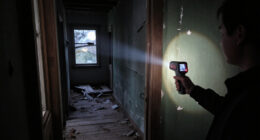
Spirit photography became a paranormal staple because it gave you a haunting glimpse into the afterlife, blending innovative photographic techniques with your curiosity about spirits. During the late 19th century, photographers used tricks like double exposures to create ghostly images that suggested life after death. As technology advanced, digital edits made these images more convincing, fueling fascination and skepticism alike. If you want to understand how these images evolved and why they remain so mesmerizing, keep exploring this fascinating history.

Get books and reading essentials delivered free — and shop member deals
- Fast, free delivery on millions of items
- Access to Prime Big Deal Days deals on October 6–7
- Prime Video, Amazon Music and more included
Key Takeaways
- Spirit photography originated in the late 19th century during spiritualism’s rise, using techniques like double exposure to create ghostly images.
- It gained popularity by offering visual “proof” of spirits, fueling curiosity and skepticism about the afterlife.
- Transitioning to digital methods increased realism but also led to more hoaxes, impacting its credibility.
- Its cultural significance persisted through its integration into paranormal communities and popular media.
- Understanding historical techniques helps distinguish authentic images and maintains its relevance as a paranormal investigative tool.
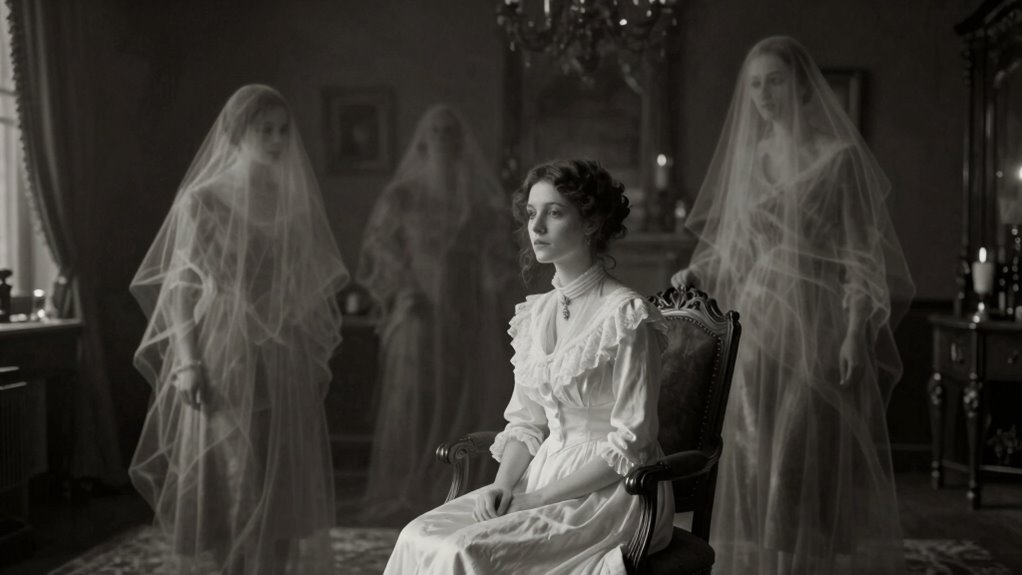
Spirit photography is a fascinating branch of photography that claims to capture images of ghosts or spirits, often appearing alongside living subjects. Its origins date back to the late 19th century, a period when spiritualism was gaining widespread popularity. Back then, photographers relied on historical techniques—like double exposure and long exposures—to create images that seemed to show spirits lurking beside the living. These methods involved deliberate manipulation of the camera or film, allowing spirits to appear ghostly and ethereal. Photographers like William H. Mumler became famous by producing images where translucent figures seemed to hover around their subjects, fueling both curiosity and skepticism. These early techniques were often about illusion, but they sparked a belief in the possibility that spirits could be captured on film. People wanted proof of life after death, and spirit photography provided a compelling, visual form of evidence.
Fast forward to today, and modern digital methods have transformed how spirit photography is approached. Instead of using double exposures or film tricks, digital editing software like Photoshop allows creators to insert ghostly figures into images with startling realism. This has made the genre more accessible and versatile, but it has also blurred the line between genuine spirit photography and elaborate hoaxes. Some skeptics argue that the ease of digital manipulation has led to an influx of fake images, making it harder to distinguish truth from fiction. Despite this, many enthusiasts still believe in the authenticity of spirit photography, especially when images show clear, inexplicable apparitions that seem to defy natural explanation. The technological leap from historical techniques to digital methods has democratized the practice, enabling amateur photographers and paranormal investigators alike to participate. Additionally, the rise of spirit photography in popular culture has helped maintain its place as a captivating facet of paranormal exploration.
Throughout its history, spirit photography has become a staple within the paranormal community, blending history, art, and belief. Whether through the careful manipulation of early photographic processes or the sophisticated editing tools of today, it continues to fascinate and mystify. For many, it offers a tangible connection to the unknown, a glimpse into a domain beyond our understanding. As technology advances, so does the potential for new and more convincing images—whether genuine or fabricated. This evolution highlights the importance of understanding the history of photographic techniques used in the genre. Recognizing how historical techniques were employed helps distinguish between authentic and manipulated images, which is crucial in assessing their credibility. But the core appeal remains the same: the hope that somewhere out there, spirits can be captured and understood through the lens of a camera. Spirit photography, in all its forms, has carved out a unique place in the history of paranormal exploration, constantly evolving while maintaining its allure of uncovering unseen worlds.
digital ghost photo editing software
As an affiliate, we earn on qualifying purchases.
As an affiliate, we earn on qualifying purchases.
Frequently Asked Questions
When Did Spirit Photography First Emerge Historically?
Spirit photography first emerged in the late 19th century, around the 1860s and 1870s, during a period of fascination with spiritualism. You can see its historical context in society’s curiosity about the afterlife, which fueled its popularity. Its cultural impact grew as photographers like William H. Mumler claimed to capture spirits, influencing beliefs and sparking debates about reality versus illusion in the domain of the supernatural.
Are There Specific Techniques Unique to Spirit Photography?
You see ghostly figures materialize through double exposure, blending two images into one eerie scene. Spirit photographers often use intentional manipulation, carefully overlaying images to create apparitions that seem to float in the frame. This technique amplifies the supernatural effect, making it appear as if spirits are captured in mid-air or emerging from the void. These methods evoke a haunting sense of reality, blurring the lines between photography and the paranormal.
How Do Skeptics Explain Spirit Photographs?
Skeptics explain spirit photographs as optical illusions or fraudulent techniques. They argue that double exposures, manipulating film, or creative use of lighting create ghostly images that seem to show spirits. You might notice how some photos have inconsistencies or anomalies, revealing trickery. Skeptics believe these images don’t prove supernatural activity but are clever manipulations, exploiting photographic flaws and illusions to deceive viewers into believing in spirits.
What Are Some Famous Cases of Alleged Spirit Photographs?
You might recognize the famous Cottingley Fairies, where ghostly apparitions appeared in photographs, sparking widespread intrigue. Another case is the “Brown Lady of Raynham Hall,” showcasing a haunting image with photographic anomalies that many believe depict a ghostly presence. These images have captivated audiences, but skeptics argue they’re either staged or result from camera tricks. Still, these cases remain some of the most talked-about examples of alleged spirit photographs.
Has Modern Technology Influenced Spirit Photography Practices?
You might find that modern technology has subtly reshaped spirit photography, making it easier to craft convincing images. Digital manipulation and advances in camera technology allow enthusiasts to create or alter photographs with remarkable precision. While some see this as a leap forward, others worry it blurs the line between genuine paranormal evidence and artistic trickery. Ultimately, technology now plays a significant role in how spirit images are produced and perceived today.
Conclusion
Now, as you glance at those ghostly images, you realize how easily belief can be manipulated. Spirit photography, once a genuine attempt to connect with the beyond, now stands as a playful trick of the camera—proof that sometimes, our desire for the supernatural outweighs reason. You might chuckle at the ghosts you’ve been convinced are real, only to wonder: weren’t they just shadows of our own longing, blurred by the lens of illusion?
Halloween Picks
halloween
As an affiliate, we earn on qualifying purchases.