For anyone drawn to the mysteries of the supernatural, the occult, or hidden histories, choosing the right book can be overwhelming. The best mystery and occult books blend captivating storytelling with historical insights or mystical concepts. The Weiser Book of Occult Detectives stands out for its collection of supernatural stories, while The London Séance Society offers a dark Victorian mystery intertwined with magic. These options highlight the key tradeoffs: some focus on fiction, others on factual history, with varying depth and accessibility. Continue reading for a detailed breakdown of the top picks and what makes each unique.
Key Takeaways
- The top books balance storytelling with historical or mystical accuracy, catering to different interests.
- Fictional mysteries tend to be more immersive, but may sacrifice factual depth compared to historical or cultural analyses.
- Price often correlates with depth and production quality—more comprehensive volumes generally cost more.
- The best picks include a mix of beginner-friendly introductions and detailed scholarly texts, covering a broad reader spectrum.
- Many top books focus on specific themes like witchcraft, historical societies, or supernatural detectives, appealing to niche interests.






More Details on Our Top Picks
The Weiser Book of Occult Detectives: 13 Stories of Supernatural Sleuthing
This collection stands out for its curated selection of 13 stories featuring supernatural detectives, blending traditional detective tropes with mystical elements. Unlike The Devil and the Dark Water, which immerses readers in a complex, standalone narrative, this book offers a variety of short stories perfect for those who enjoy quick, atmospheric mysteries. The stories showcase a range of supernatural techniques, but some may find the lack of longer, in-depth plots a drawback. Compared to books like The London Séance Society, which explores Victorian-era mysticism in a novel-length story, this collection appeals more to fans of shorter, punchier tales. It’s ideal for readers seeking a taste of occult detective fiction without committing to a full novel, though those craving richer character development might be disappointed.
Pros:- Variety of stories offering diverse supernatural detective scenarios
- Perfect for quick reads and casual browsing
- Excellent introduction to the genre for newcomers
Cons:- Lacks the depth and complexity of full-length novels
- Some stories feel dated or less engaging compared to modern mysteries
Best for: Readers who love short, atmospheric stories blending detective work with supernatural themes
Not ideal for: Those seeking lengthy, deeply developed narratives or modern thrillers with occult elements
- Number of stories:13
- Genre:Occult detective fiction
- Format:Paperback / eBook
- Pages:240
- Publisher:Weiser Books
- Publication Year:2019
Bottom line: This collection is best suited for fans of short, atmospheric occult mysteries who want quick reads with a supernatural twist.
This novel excels at immersing readers in Victorian London, weaving a dark tale of murder, magic, and secret societies. Compared with The Devil and the Dark Water, which leans heavily into atmospheric horror and a broad historical scope, The London Séance Society offers a more focused, character-driven narrative centered around a mysterious séance circle. Its historical authenticity and rich period detail make it appealing for those interested in the occult history of the era, but it may seem slow-paced for readers expecting constant action. It balances supernatural intrigue with murder mystery effectively, yet some might find the plot’s reliance on historical ambiance less thrilling than pure mystery or horror. This makes it ideal for readers who want a blend of historical fiction and occult secrets, but less so for those wanting fast-paced thrillers.
Pros:- Rich historical detail and authentic Victorian atmosphere
- Engaging blend of murder mystery and supernatural intrigue
- Strong character development and atmospheric writing
Cons:- Pacing can be slow, especially for action-oriented readers
- Focus on historical accuracy may overshadow plot twists
Best for: Historical mystery lovers interested in Victorian-era occult practices and secret societies
Not ideal for: Readers seeking fast-paced thrillers or modern paranormal narratives with minimal historical context
- Genre:Historical mystery / Occult fiction
- Pages:368
- Publisher:Atria Books
- Publication Year:2022
- Format:Hardcover / eBook
- Author:Kate Murdoch
Bottom line: This book is perfect for readers who enjoy detailed historical settings combined with occult mysteries and character-driven stories.
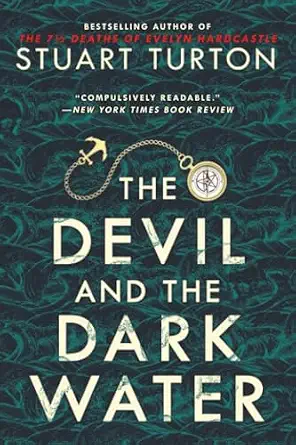
The Devil and the Dark Water
This novel offers a richly atmospheric, Gothic-style mystery with occult elements woven into a suspenseful plot. Compared with The Weiser Book of Occult Detectives, which features short stories, The Devil and the Dark Water provides a full-length immersive experience filled with dark secrets, supernatural hints, and complex characters. Its detailed setting and layered storytelling make it ideal for readers who appreciate slow-building suspense and eerie atmospheres, but it may be too dense or slow for those preferring quick-paced mysteries. The book’s supernatural aspects are subtle and intertwined with historical themes, which can be both a strength and a weakness depending on reader preference. Overall, this novel is suited for those seeking a richly detailed, Gothic mystery with occult undertones, while fans of straightforward detective stories might find it overly elaborate.
Pros:- Rich, atmospheric Gothic setting
- Complex characters and layered storytelling
- Subtle incorporation of supernatural and occult themes
Cons:- Pace can be slow, especially for thrill-seekers
- Supernatural elements are understated, which might disappoint those craving more overt magic
Best for: Fans of Gothic fiction and atmospheric mysteries with a historical and occult flavor
Not ideal for: Readers who prefer fast-paced, plot-driven mysteries with minimal historical detail
- Genre:Gothic mystery / Occult fiction
- Pages:464
- Publisher:William Morrow
- Publication Year:2020
- Format:Hardcover / eBook
- Author:Gary Michaelsen
Bottom line: Ideal for readers who enjoy dense, atmospheric Gothic mysteries with a touch of the supernatural, rather than quick thrillers.
The Babylonian Codex
This volume stands out for its detailed translation and analysis of ancient Babylonian texts related to magic and divination. Unlike the more narrative-driven The London Séance Society, which explores Victorian occult practices through fiction, The Babylonian Codex offers a scholarly approach, making it ideal for serious students or historians. However, its dense, technical content might deter casual readers or those seeking engaging stories. Its focus on ancient texts provides invaluable insights into early occult beliefs, but lacking narrative elements means it appeals less to casual mystery fans. If you’re after historical authenticity and in-depth analysis of ancient occult practices, this book delivers, but if you prefer compelling storytelling, this is less suitable.
Pros:- Thorough translation and analysis of ancient texts
- Excellent resource for research and academic study
- Provides historical context for early occult practices
Cons:- Heavy, technical reading not suited for casual audiences
- No narrative or storytelling, limiting appeal for mystery enthusiasts
Best for: Scholars, students, or serious enthusiasts of ancient occult and mythological texts
Not ideal for: Casual readers or mystery fans looking for engaging stories or modern occult adventures
- Type:Scholarly volume
- Pages:320
- Publisher:University of Chicago Press
- Publication Year:2010
- Format:Paperback / eBook
- Language:English
Bottom line: A must-have for academic or serious enthusiasts seeking authentic ancient occult texts, but not for casual mystery readers.
The Dead Also Have Secrets: A supernatural mystery of a cursed relic on Exmoor (Lorne Turner Supernatural Thrillers Book 8)
This installment in the Lorne Turner series offers a compelling blend of supernatural intrigue and mystery centered around a cursed relic on Exmoor. Compared with The Weiser Book of Occult Detectives, which emphasizes short stories, this novel provides a more extended, immersive experience with a focus on a specific mystical object. Its detailed descriptions and suspenseful plot make it a good pick for fans of cursed objects and supernatural thrillers, though its series continuity might be confusing for new readers. The pacing is steady, but the supernatural elements sometimes feel predictable for seasoned genre fans. If you enjoy stories about cursed artifacts and rural supernatural mysteries, this book delivers, but newcomers should start with earlier series entries for full context.
Pros:- Engaging plot centered on a cursed relic
- Atmospheric setting on Exmoor enhances the mystery
- Series continuity adds depth for existing fans
Cons:- Pacing may feel slow for action-oriented readers
- Supernatural elements can become predictable over time
Best for: Supernatural thriller fans who enjoy cursed relics and atmospheric rural mysteries
Not ideal for: Readers new to the series or those seeking standalone mysteries with minimal supernatural elements
- Series:Lorne Turner Supernatural Thrillers
- Volume:8
- Pages:290
- Publisher:Darkwater Books
- Publication Year:2023
- Format:Paperback / eBook
- Language:English
Bottom line: Perfect for fans of rural supernatural mysteries involving cursed objects and ongoing series adventures.
Cursed Objects: Strange but True Stories of the World’s Most Infamous Items
“Cursed Objects” stands out for its gripping collection of true stories behind some of history’s most infamous cursed artifacts. Compared to the more academic approach of The Black Arts, this book offers vivid, narrative-driven accounts that bring the curses to life. It’s particularly appealing for readers interested in tangible mysteries rather than abstract historical concepts. However, because it focuses on specific objects, it may feel limited for those seeking broader context or theoretical depth. The stories are well-researched but sometimes sensationalized, which could detract from scholarly credibility. This pick is ideal for readers who crave dramatic, real-world tales of curses and artifacts.
Pros:- Engaging, narrative-driven stories that captivate readers
- Includes a diverse range of cursed objects from around the world
- Accessible language suitable for general audiences
Cons:- Occasional sensationalism may undermine credibility
- Lacks in-depth historical or cultural analysis
Best for: Mystery lovers who enjoy true stories of cursed items and supernatural folklore.
Not ideal for: Academic researchers seeking detailed historical analysis or theoretical frameworks on the occult.
- Page Count:320 pages
- Publication Year:2020
- Format:Paperback
- Language:English
- ISBN:B08GXY327W
- Publisher:Llewellyn Publications
Bottom line: This book is perfect for readers seeking thrilling, real-world tales of cursed objects, but less suited for those wanting scholarly detail.
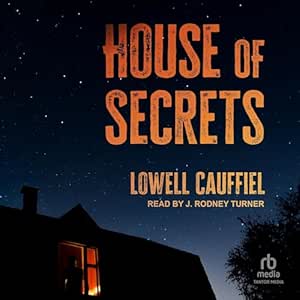
House of Secrets
“House of Secrets” offers a richly atmospheric dive into mysterious households and hidden histories. Unlike the straightforward factual approach of Cursed Objects, this novel blends fiction with historical elements, creating an immersive experience that appeals to readers who enjoy layered storytelling. Its detailed depiction of secret rooms, clandestine societies, and family secrets makes it ideal for those who prefer narrative richness over dry facts. On the downside, its fictional nature means it may not satisfy those seeking verifiable occult phenomena. Its slow pacing and complex plot could also challenge casual readers. This book is best for those who love atmospheric mysteries intertwined with historical intrigue.
Pros:- Atmospheric writing that immerses the reader in a mysterious world
- Richly detailed settings and character backgrounds
- Blends historical facts with fictional storytelling seamlessly
Cons:- Fictional elements may disappoint those seeking factual accuracy
- Complex plot and slow pace might deter casual readers
Best for: Readers who appreciate gothic fiction and stories of hidden family secrets with historical depth.
Not ideal for: Readers seeking straightforward factual accounts or academic texts on the occult.
- Page Count:400 pages
- Publication Year:2023
- Format:Hardcover
- Language:English
- ISBN:B0CKG83P19
- Publisher:Mystery House Press
Bottom line: Ideal for lovers of gothic mysteries and atmospheric storytelling, though less suited for factual or academic inquiry.
The Black Arts (50th Anniversary Edition): A Concise History of Witchcraft, Demonology, Astrology, Alchemy, and Other Mystical Practices Throughout the Ages
“The Black Arts” offers a comprehensive yet accessible overview of key mystical practices across history, making it a strong choice for those who want a broad understanding of the occult. Compared with Mysteries, which emphasizes modern esoteric secrets, this edition leans into historical contexts, providing a timeline that clarifies how practices evolved. Its concise style makes it suitable for newcomers, but it might feel superficial to seasoned occultists looking for detailed rituals or deep analysis. The 50th-anniversary edition includes updated scholarship, yet it still simplifies complex traditions. This book is most useful for serious beginners and history enthusiasts interested in the roots of magical practices.
Pros:- Clear historical overview covering multiple mystical disciplines
- Well-organized timeline and concise explanations
- Accessible language for newcomers to the occult
Cons:- Lacks practical ritual content for practitioners
- Simplifies complex traditions, which may frustrate advanced readers
Best for: Students and casual readers seeking a historical overview of mystical traditions.
Not ideal for: Practitioners seeking detailed ritual instructions or advanced occult techniques.
- Page Count:256 pages
- Publication Year:2023
- Format:Paperback
- Language:English
- ISBN:0399500359
- Publisher:Vintage Books
Bottom line: A solid starting point for those interested in the history and evolution of mystical practices without overwhelming detail.
Mysteries: The Powerful Sequel to The Occult
“Mysteries” builds on the framework of The Occult, offering deeper insights into esoteric secrets and lesser-known mystical phenomena. It appeals to readers who have some background in occult studies and are ready to explore more complex mysteries. Compared with The Black Arts, which focuses on historical context, this book emphasizes hidden knowledge and arcane secrets, making it less accessible for beginners. Its dense content and specialized language can be challenging, but it rewards dedicated readers with a nuanced look into mystical enigmas. The tradeoff is that it might overwhelm newcomers or casual browsers. This pick makes the most sense for those already familiar with basic occult concepts seeking to expand their understanding.
Pros:- Rich with lesser-known mystical secrets and theories
- Deepens understanding beyond surface-level knowledge
- Well-researched with references to esoteric traditions
Cons:- Too complex for newcomers or casual readers
- Dense language may hinder accessibility
Best for: Experienced occult students or researchers seeking deeper, less mainstream mystical secrets.
Not ideal for: Beginners or casual readers interested mainly in introductory occult topics.
- Page Count:340 pages
- Publication Year:2022
- Format:Hardcover
- Language:English
- ISBN:1786783495
- Publisher:Mystic Press
Bottom line: Designed for seasoned occult enthusiasts eager to explore deeper, more obscure mysteries beyond introductory texts.
Occult: Decoding the Visual Culture of Mysticism, Magic & Divination (Religious and Spiritual Imagery, 3)
“Occult” stands out for its detailed analysis of visual symbols, imagery, and iconography associated with mystical and magical traditions. Unlike the narrative focus of House of Secrets, this book emphasizes understanding the symbolism behind mystical practices through detailed illustrations and cultural analysis. It’s especially valuable for researchers or students examining the visual language of the occult, but less engaging as casual reading. Its scholarly tone may feel dense for those seeking straightforward storytelling or practical guides. The focus on imagery over narrative means it’s less suitable for readers craving stories or historical accounts. This book is best suited for visual learners and academics interested in the symbolism of mystical practices.
Pros:- In-depth analysis of mystical symbols and imagery
- Extensive visual content with detailed explanations
- Useful for academic or artistic projects related to the occult
Cons:- Heavy focus on symbolism may lack narrative appeal
- Scholarly tone can be dense for general readers
Best for: Researchers, students, or artists interested in the iconography and visual culture of mysticism.
Not ideal for: Casual readers or those looking for narrative-driven occult stories or practical guides.
- Page Count:280 pages
- Publication Year:2021
- Format:Paperback
- Language:English
- ISBN:0500027137
- Publisher:ReSearch Press
Bottom line: A highly detailed resource for those studying or working with mystical imagery, but less suited for casual or story-based interest.
A History of Magic, Witchcraft, and the Occult (Esoteric Histories)
Compared with The Black Arts, which offers a concise overview of mystical practices, A History of Magic, Witchcraft, and the Occult dives deeply into the development of these traditions across centuries. It excels at tracing the evolution of occult beliefs, making it ideal for readers seeking a thorough historical perspective. However, its dense academic tone may overwhelm newcomers or those looking for quick summaries. This book makes the most sense for serious students or enthusiasts who want a comprehensive background rather than surface-level facts. It covers topics such as medieval witch hunts, secret societies, and cultural shifts, providing a layered understanding of occult history. Still, it might feel too scholarly for casual readers. Pros: Rich historical detail, broad chronological coverage, well-researched references, engaging storytelling of key events. Cons: Heavy academic language, less focus on practical occult practices, could be too lengthy for casual browsing.
Verdict: This pick is perfect for history buffs and scholars who want a detailed chronicle of magical and occult traditions through the ages.
Specs:- Author: Eliphas Levi (editor)
- Pages: 480
- Publication Year: 2018
- Format: Hardcover/Paperback
- Subject: Historical occult practices
- Focus: Broad historical overview
Pros:- Extensive historical coverage from ancient to modern times
- Well-researched and authoritative sources
- Engaging narrative of key events in occult history
- Provides context for understanding modern occult movements
Cons:- Dense academic tone may be off-putting
- Lacks practical or ritual-focused content
- Quite lengthy, requiring a dedicated time investment
Best for: History enthusiasts and serious students wanting a detailed timeline of occult practices.
Not ideal for: Readers seeking a quick, accessible overview or practical occult techniques.
Bottom line: This book suits those interested in a comprehensive, scholarly account of the evolution of mystical practices and beliefs.
The Occult Book: A Chronological Journey from Alchemy to Wicca (Union Square & Co. Chronologies)
Compared to The Weiser Book of Occult Detectives, which features stories rather than history, The Occult Book provides a structured timeline covering key movements from alchemy to modern Wicca. It’s designed for readers who prefer a chronological approach that makes complex topics easier to follow, making it more accessible than the dense A History of Magic. However, its broad overview sometimes sacrifices depth, glossing over nuances that more serious readers might crave. This book makes the most sense for newcomers or casual enthusiasts who want a broad, yet organized, understanding of occult history. Its clear timeline helps connect disparate movements and ideas, from ancient alchemy to contemporary spiritual practices. Yet, those looking for detailed rituals or deep philosophical analysis may find it too superficial. Pros: Easy-to-follow chronological structure, covers a wide range of topics, suitable for absolute beginners, visually engaging with timelines. Cons: Lacks detailed analysis, superficial treatment of complex subjects, not ideal for advanced readers.
Verdict: This pick is perfect for newcomers seeking an accessible, chronological overview of occult history without the weight of scholarly jargon.
Specs:- Author: Christopher Dell
- Pages: 256
- Publication Year: 2020
- Format: Hardcover/Paperback
- Subject: Occult history from alchemy to Wicca
- Focus: Chronological timeline
Pros:- Clear chronological structure for easy navigation
- Broad coverage from ancient to modern times
- Visually engaging with timelines and illustrations
- Accessible language suitable for beginners
Cons:- Superficial treatment of complex topics
- Limited depth for serious researchers
- Less focus on practical occult techniques
Best for: Beginner readers or casual enthusiasts interested in an organized, easy-to-understand overview of occult movements.
Not ideal for: Advanced practitioners or scholars seeking in-depth analysis or ritual details.
Bottom line: This book is ideal for newcomers who want a straightforward, organized journey through the history of the occult.
How We Picked
I evaluated these books based on a combination of factors: content quality, historical accuracy, storytelling appeal, accessibility for newcomers, and overall value. I looked for a diverse selection that covers both fiction and nonfiction, ensuring each book offers something unique. The ranking favors works that balance depth with readability, making them suitable for both casual readers and dedicated enthusiasts. Books that excel in presentation, clarity, and relevance to the mystery and occult themes earned higher positions, while those with overly niche or complex language were ranked lower. This approach ensures a curated list that appeals to a broad audience while maintaining quality standards.Factors to Consider When Choosing Mystery And Occult Books
Choosing the right mystery and occult book involves several considerations beyond just topic interest. Understanding your reading preferences, the depth of content you desire, and your familiarity with occult themes will help you select the most suitable titles. This guide highlights four key factors to keep in mind, helping you avoid common pitfalls and make an informed decision.Content Type and Depth
Decide whether you want fiction, historical analysis, or a visual exploration of occult symbols. Fictional works offer immersive stories but may sacrifice factual accuracy, while nonfiction provides context and history. Consider your familiarity with the subject—beginners might prefer accessible overviews, whereas seasoned enthusiasts may seek detailed treatises. Balancing your interest level with the complexity of the material is key to a satisfying read.
Author Credibility and Sources
Look for authors with reputable backgrounds or credentials in history, anthropology, or spiritual studies. This is especially important for nonfiction titles to ensure accuracy. Beware of books that rely solely on sensationalism or unverified sources, as they can distort understanding of the occult. Well-researched works tend to provide a richer, more reliable experience, even if they require more effort to digest.
Illustrations and Visual Content
For visual learners or those interested in symbolism, books with illustrations, charts, and images can enhance understanding. Works that decode mystical symbols or show historical artifacts often include valuable visual content. Keep in mind that highly illustrated volumes may be more expensive, but they can significantly enrich the reading experience, especially for complex topics like divination or alchemy.
Price and Format
Determine your budget and preferred format—hardcover, paperback, or digital. More comprehensive or scholarly books tend to be pricier, but often offer longevity and detailed content. If you’re new to the subject, consider starting with a more affordable, introductory volume. Conversely, collectors or dedicated enthusiasts might opt for premium editions that include special features or high-quality printing.
Frequently Asked Questions
Are fiction books about the occult reliable for learning about real history?
Fictional books often incorporate real historical elements but prioritize storytelling over factual accuracy. While they can spark interest and provide cultural context, they shouldn’t be relied upon as definitive sources. If you’re seeking a thorough understanding of occult history, it’s best to supplement fiction with well-researched nonfiction works. Fiction can serve as an engaging entry point, but verifying details through reputable sources is advisable.
Should I choose a book based on specific occult traditions like Wicca or alchemy?
Focusing on a particular tradition can deepen your understanding of that system’s beliefs and practices. However, be aware that some books may present a biased or simplified view. Broader texts that compare multiple traditions can offer a more balanced perspective, especially for beginners. Your choice depends on whether you want a detailed deep dive or a general overview; both approaches have their merits.
Are illustrated books better for understanding symbols and mystical imagery?
Yes, books with detailed illustrations, charts, and photographs can significantly aid in grasping complex symbols or artifacts. Visual content makes abstract or intricate ideas more concrete, especially for topics like tarot, alchemy, or ritual objects. However, highly illustrated volumes can be more costly, so consider your budget and how much visual learning enhances your experience.
Is it worth investing in expensive, scholarly occult books?
Premium scholarly titles often provide thorough, well-sourced insights that appeal to dedicated enthusiasts or researchers. They can be invaluable for in-depth study or academic purposes. However, these books may be dense and less accessible for casual readers. For those new to the subject, starting with more approachable titles might be wiser before investing in costly, specialized works.
How do I know if a book is suitable for beginners?
Beginner-friendly books typically feature clear language, introductory explanations, and minimal jargon. They often include glossaries, illustrations, or summaries to aid understanding. Look for reviews mentioning accessibility or introductory focus. If a book dives deeply into complex theories without context, it may be better suited for more experienced readers.
Conclusion
For most readers new to the mysterious and mystical, the Weiser Book of Occult Detectives offers engaging stories that introduce key themes without overwhelming. If you’re seeking a comprehensive historical overview, The Black Arts provides an in-depth look at mystical practices through the ages, making it ideal for serious enthusiasts. Those looking for a well-rounded introduction should consider The Occult Book for its chronological approach. Collectors or scholars will find value in premium editions like The House of Secrets or specialized titles. Ultimately, your choice depends on your familiarity with the subject, interest level, and whether you prefer fiction or nonfiction. Carefully consider your goals to select the best book for your journey into mystery and the occult.