
TL;DR
In 1988, Terence McKenna experienced a severe psychological crisis during a psilocybin trip in Hawaii, leading him to avoid high-dose psychedelic use afterward. This event marked a turning point in his life and beliefs about psychedelics.
Confirmed reports detail that in 1988, Terence McKenna endured a severe psychological crisis during a psilocybin trip in Hawaii, which profoundly affected his future relationship with psychedelics. The incident, involving a stormy night and intense fear, is now recognized as a pivotal moment in his life and teachings.
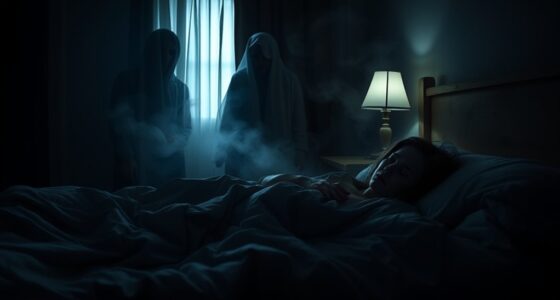
The account, based on Graham St. John’s biography Strange Attractor: The Hallucinatory Life of Terence McKenna, describes how McKenna and his then-wife, Kathleen Harrison, took their usual five grams of dried psilocybin in their Hawaiian home during a storm. While Harrison entered a familiar ecstatic state, McKenna experienced a terrifying descent into what she describes as an “outrageous idea space,” characterized by uncontrollable nothingness and nihilism.
During the trip, McKenna curled into a fetal position, vibrating and howling, with speech reduced to “No… no meaning,” reflecting a collapse of perception and meaning akin to a “dark night of the soul.” Harrison noted that he was “really afraid of nothingness,” and hours passed before he calmed down. The trauma led McKenna to vow never to trip with Harrison again, marking a significant shift in his psychedelic practices.
Following this episode, McKenna rarely used mushrooms again, instead turning to other psychedelics like DMT and ayahuasca, but only sparingly. His subsequent trips, including one described in 1989 involving visual chaos and thought degradation, further underscored his growing reluctance toward high-dose psychedelic experiences. The event also contributed to his preference for solo trips, driven by a desire to avoid alarming others or experiencing extreme states publicly.
Impact of the 1988 Hawaiian Trip on McKenna’s Psychedelic Philosophy
This traumatic experience fundamentally altered McKenna’s approach to psychedelics, shifting him from enthusiastic promoter of high-dose use to a more cautious and reserved stance. It also revealed vulnerabilities in his psyche, challenging the image of him as an invulnerable psychedelic shaman. The event’s acknowledgment adds depth to understanding his later teachings and personal struggles, highlighting the complex relationship between profound insight and psychological risk in psychedelic exploration.
The Psilocybin Mushroom Bible: The Definitive Guide to Growing and Using Magic Mushrooms
As an affiliate, we earn on qualifying purchases.
As an affiliate, we earn on qualifying purchases.
Background of McKenna’s Psychedelic Journey and Public Persona
Throughout the 1980s, Terence McKenna emerged as a leading figure in psychedelic advocacy, promoting the “heroic dose” of psilocybin as a tool for exploring consciousness. His public success grew alongside extended travel and speaking engagements, which increased his influence but also placed emotional and personal strains on his life. The Hawaii incident, occurring during a period of rising fame, revealed a darker side of his psychedelic experiences that he had largely kept private until recent biographical disclosures. Prior to this, McKenna’s trips were generally characterized as transformative and revelatory, making the Hawaii trauma a stark contrast to his otherwise adventurous reputation.“The full account appears in Graham St. John’s biography, Strange Attractor: The Hallucinatory Life of Terence McKenna, based on extensive interviews and archival work.”
— Graham St. John
Unconfirmed Details About the Full Extent of the Trauma
While the account is well-sourced from Graham St. John’s biography, some specifics about McKenna’s internal experience and emotional aftermath remain based on secondary reports. It is not yet clear how this event influenced his public teachings in the long term or whether he explicitly discussed it in detail later in life.Further Biographical Research and Public Disclosure
Researchers and biographers are expected to continue exploring McKenna’s personal archives and interviews to better understand the event’s full impact. There may also be future public disclosures or writings from McKenna’s family or colleagues that shed additional light on this traumatic episode and its influence on his later life and philosophy.Key Questions
Did the 1988 trip cause McKenna to stop using psychedelics entirely?
While he reduced his use of psilocybin significantly, McKenna continued to experiment with other psychedelics like DMT and ayahuasca, but only sporadically and with reluctance, according to his close associates.
How did McKenna’s public persona change after this event?
He became more cautious about high-dose psychedelic use and increasingly emphasized the risks and psychological challenges involved, contrasting with his earlier advocacy of the heroic dose.
Was this event widely known during McKenna’s lifetime?
No, it remained mostly a private or anecdotal account until recent biographical research brought it to light, revealing a more complex picture of his relationship with psychedelics.
Could this experience be considered a ‘breakthrough’ or ‘breakdown’?
It is generally viewed as a psychological crisis or breakdown, which profoundly affected McKenna’s approach to psychedelics and his personal philosophy.
Source: Hacker News