To distinguish a local legend from a personal encounter, look at where the story originates. Legends often have cultural roots, passed down over generations, and tend to include exaggerated or fantastical elements. Personal stories are usually straightforward, specific, and consistent over time. Pay attention to storytelling style—legends may be more theatrical, while genuine encounters feel real and emotionally genuine. By exploring these clues, you’ll better understand whether a story reflects tradition or personal experience, and there’s more to uncover if you keep exploring.
Key Takeaways
- Check if the story has been passed down through generations, indicating a legend, or if it’s a recent, firsthand account.
- Look for exaggerated, fantastical elements typical of legends versus straightforward, detailed personal stories.
- Assess consistency over retellings; legends often change, while personal stories remain stable.
- Identify cultural symbols or themes that reflect community values, common in legends.
- Observe storytelling style, tone, and body language to distinguish between mythic embellishments and genuine emotion.
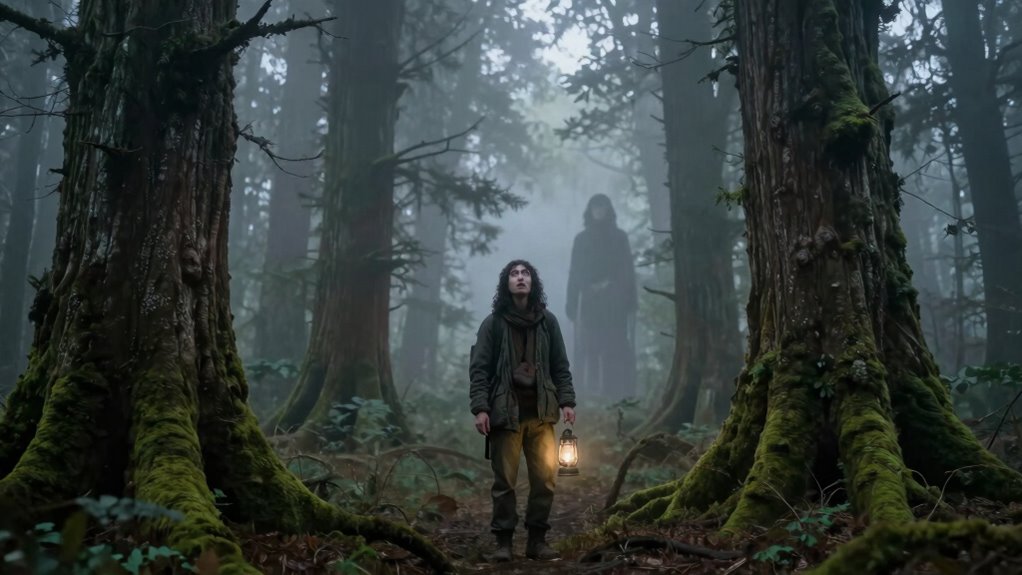
Have you ever wondered how to distinguish a local legend from a genuine personal encounter? It’s a question that often comes up when you hear stories passed down through generations, especially in tight-knit communities or tourist spots. Understanding the difference requires paying close attention to the story’s details, origins, and the context in which it’s shared. When you evaluate these tales, it helps to contemplate the line between myth vs. reality. Legends are often rooted in myth, carrying symbolic meaning and cultural significance rather than factual accuracy. They serve to preserve history, teach moral lessons, or reinforce community identity. Personal encounters, on the other hand, tend to be specific, detailed, and emotionally charged experiences that the storyteller genuinely believes happened to them. These are less about symbolism and more about recounting a unique, firsthand event.
Cultural significance plays a vital role in how you interpret these stories. Legends are often infused with cultural values, beliefs, or fears, shaping how the community perceives certain places or phenomena. For example, a ghost story might symbolize collective anxieties or historical traumas, giving it a deeper meaning beyond the spooky tale. When a story is shared repeatedly over years, it becomes part of the community’s cultural fabric, blurring the lines between myth and reality. Examining the origins and transmission of the story can shed light on whether it’s rooted in cultural tradition or personal experience. Additionally, understanding the social context helps reveal how stories are used to reinforce community bonds or transmit cultural morals. Recognizing the storytelling style can also provide clues, as legends often involve exaggerated or fantastical elements that differ from the straightforward recounting typical of personal experiences. Moreover, analyzing the narrative consistency can help discern whether a story is more likely to be a legend or a genuine encounter. Paying attention to story evolution over time can also expose embellishments typical of legends.
To tell a legend from a personal experience, look for consistency and detail. Legends often evolve over time, with each retelling adding embellishments or shifting details to fit current contexts. Personal stories tend to be more consistent and emotionally genuine, even if they seem extraordinary. Pay attention to the storyteller’s tone and body language—if they seem convinced, it might be a real experience, but if they’re embellishing or telling it with a theatrical flair, it could be a legend. Ultimately, understanding the cultural significance behind the story helps you see whether it’s a symbolic legend or a personal encounter. Legends serve to connect generations, preserve history, and uphold cultural values, while personal encounters are intimate, individual stories that reflect a specific moment in time. Recognizing these differences lets you appreciate stories more deeply, whether they’re rooted in myth or reality.
storytelling guide for travelers
As an affiliate, we earn on qualifying purchases.
As an affiliate, we earn on qualifying purchases.
Frequently Asked Questions
Can Legends and Personal Stories Overlap in Certain Cases?
Yes, legends and personal stories can overlap, especially when urban myths evolve from individual experiences that get exaggerated over time. You might hear a personal encounter that becomes part of local folklore, blending fact and fiction. This is common with urban myths, which often have folklore origins but are shaped by personal retellings. Recognizing these overlaps helps you understand how stories grow and influence community beliefs.
How Do Cultural Differences Influence Legend Interpretations?
Cultural differences greatly influence how you interpret legends, like how a story in one culture becomes a cherished myth while in another, it’s dismissed as folklore variations. Think of cultural narratives as a tapestry, each thread adding unique color and texture. Your background shapes whether you see a legend as history or myth, making it essential to understand local beliefs to truly grasp a story’s deeper meaning and avoid misinterpretation.
What Role Does Media Play in Shaping Local Legends?
Media influence plays a huge role in shaping legend perception, often amplifying or altering stories over time. You might notice how movies, TV shows, or social media spread and dramatize local legends, making them more vivid and widespread. This exposure influences your beliefs and understanding of these legends, blending fact with fiction. As a result, media can turn a simple story into a mesmerizing legend that captures the community’s imagination.
Are There Common Signs Distinguishing Legends From Personal Stories?
You can often distinguish legends from personal stories by looking for mythical origins and folklore evolution. Legends usually have roots in mythology or cultural history, with details that have evolved over time, blending fact and fiction. Personal encounters tend to be more immediate, specific, and less embellished. If a story references ancient myths or shows signs of folklore development, it’s likely a legend, not just a personal recount.
How Can Eyewitness Bias Affect the Authenticity of Encounters?
Eyewitness bias can considerably affect the authenticity of encounters because memory distortions often alter what you recall. Perception influences also play a role, causing you to interpret events based on expectations or emotions. These factors may lead you to remember details differently or even create false memories. As a result, your account might not accurately reflect what truly happened, making it tricky to distinguish genuine experiences from influenced perceptions.
Conclusion
Now that you’ve learned to discern a local legend from a personal encounter, remember to trust your instincts and gather details. Whether it’s a ghost story or a true adventure, keep your wits about you—like a modern-day Sherlock Holmes with a smartphone. Legends might be tales spun by firelight, but your own experience is real, grounded in now. So go ahead, explore, and let your own story be the next legend in the making.