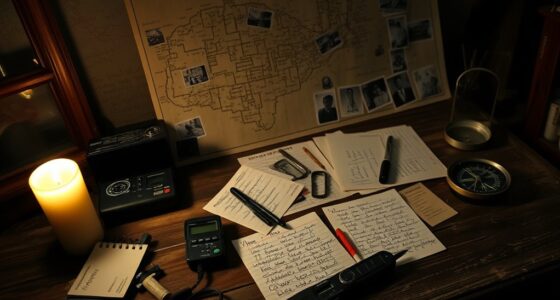

We follow strict standards to guarantee your trust in our paranormal stories. We thoroughly examine photos, audio, and witness statements, verifying their authenticity through expert analysis and technology. We evaluate source credibility and cross-check claims with independent records. Our team avoids sensationalism, focusing on transparency and balanced reporting. If you want to understand how we maintain these high standards and distinguish credible accounts from misinformation, this overview will guide you through our process.
Key Takeaways
- We thoroughly verify all evidence, including photographs, audio, and witness statements, using technological tools and expert analysis.
- Credibility of sources is assessed based on their background, motives, and history of accuracy, with multiple sources confirming key stories.
- Claims are cross-referenced with independent records and analyzed by specialists to ensure authenticity and consistency.
- Transparency about our verification process and evidence reliability maintains trust and prevents sensationalism.
- We adhere to rigorous fact-checking standards, prioritizing verified evidence and credible sources to uphold journalistic integrity.
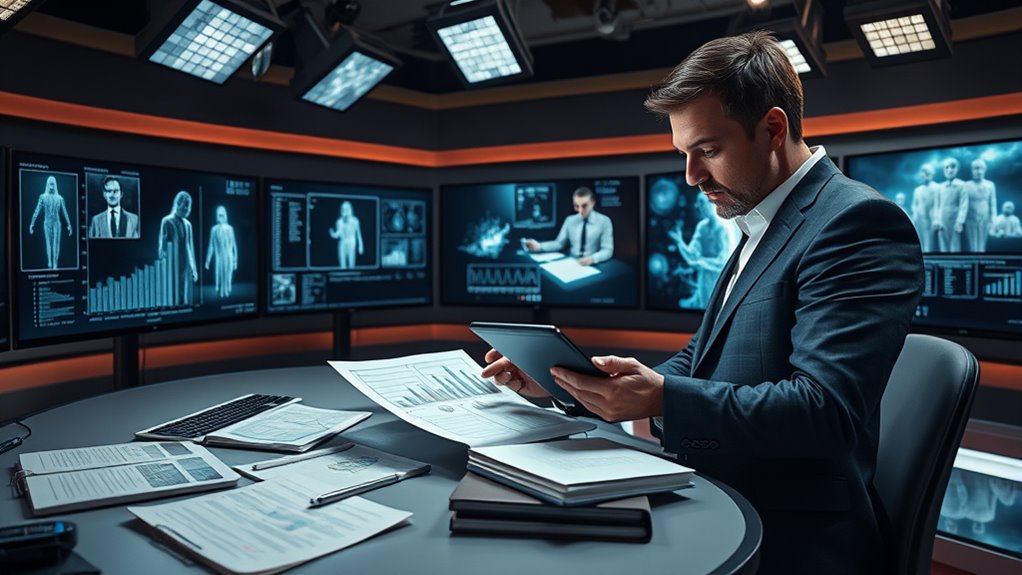
Have you ever wondered how paranormal stories maintain credibility in a sea of sensational claims? The answer lies in our strict editorial standards, especially when it comes to evidence verification and source credibility. In the world of paranormal reporting, it’s not enough to simply share a spooky story; we need to guarantee that what we present is as credible and reliable as possible. That’s why we prioritize thorough evidence verification before anything makes it into our reports. When someone claims to have seen a ghost or experienced an unexplainable event, we don’t just accept it at face value. Instead, we scrutinize the evidence—whether it’s photographs, audio recordings, or witness statements—to determine its authenticity. We look for consistency, examine the context, and seek corroborating details. This process helps us filter out hoaxes, misinterpretations, and exaggerations, assuring that only well-supported stories reach our audience. Additionally, understanding the role of technological tools in evidence analysis allows us to enhance our verification processes and ensure higher standards of credibility.
Source credibility is equally crucial. Paranormal claims often come from individuals with varying backgrounds and motives, so we’re careful about who we rely on. We assess the credibility of witnesses by looking into their history, experience, and motives. Are they reputable? Have they shared other accurate observations before? Do they have a tendency to exaggerate or embellish? These questions help us gauge whether a source is trustworthy. When possible, we seek multiple sources to confirm a story, avoiding reliance on a single account that might be biased or mistaken. We also consider expert opinions—psychologists, engineers, or investigators—whose insights can lend additional credibility to a story. Our goal is to build a balanced picture that respects the complexity of paranormal phenomena without sensationalizing or dismissing outright. To uphold our standards, we follow rigorous fact-checking procedures similar to those used in traditional journalism. We cross-reference claims with available records, consult with experts, and verify the physical evidence through independent analysis whenever possible. If something doesn’t hold up under scrutiny, we’re transparent about it. This commitment to evidence verification and source credibility helps us distinguish credible reports from mere entertainment or misinformation. By maintaining high standards, we give our readers a reason to trust what they’re reading, even when exploring the mysterious and unexplained. Paranormal stories can be compelling, but only when rooted in verified evidence and credible sources. That’s our promise: to deliver stories that intrigue and inspire, without sacrificing integrity in the process.
ghost photo verification tools
As an affiliate, we earn on qualifying purchases.
As an affiliate, we earn on qualifying purchases.
Frequently Asked Questions
How Do You Verify Paranormal Claims Before Publishing?
You verify paranormal claims by carefully evaluating the evidence and checking source credibility. First, you scrutinize the evidence for consistency and plausibility, ensuring it’s supported by reliable sources. Next, you assess the credibility of witnesses and experts, looking for any biases or conflicts of interest. You also seek corroborating reports or scientific input when possible. This thorough evidence evaluation helps you determine whether a claim is worthy of publication.
What Criteria Determine Credible Sources in Paranormal Reports?
Think of credible sources as the lighthouse guiding your evidence evaluation through foggy tales. You determine source credibility by checking their background, consistency, and firsthand accounts. If a witness has a history of honesty and provides detailed, verifiable information, they become a trusted beacon. You prioritize evidence that withstands scrutiny and aligns with other credible reports, ensuring your claims rest on solid ground rather than shadows of uncertainty.
How Do You Handle Anonymous or Unverified Witnesses?
When dealing with anonymous sources or unverified claims, you prioritize transparency and caution. You clearly note when a witness is anonymous or when a report hasn’t been verified, emphasizing these limitations to your audience. You avoid giving undue weight to unconfirmed accounts, instead encouraging further investigation. By maintaining this approach, you guarantee your reporting remains honest and credible, even when sources are anonymous or claims unverified.
Are There Specific Scientific Methods You Prefer for Investigations?
You prefer using scientific protocols like controlled experiments and systematic data collection for investigations. To guarantee credibility, you prioritize experimental replication, so others can verify your findings. This approach helps distinguish genuine paranormal phenomena from hoaxes or natural causes. By applying these rigorous methods, you maintain integrity and objectivity, making your investigations more reliable and reputable in the scientific community.
How Do You Ensure Objectivity Amid Sensational Stories?
To guarantee objectivity, you focus on bias mitigation by sticking to verified facts and avoiding sensationalism. You critically evaluate sources, cross-check evidence, and separate speculation from confirmed data. By maintaining a skeptical mindset and resisting the urge to exaggerate stories, you provide balanced reporting. This approach helps you deliver credible paranormal stories without falling into sensationalism, ensuring your audience trusts your work and receives accurate, responsible information.
audio analysis equipment for paranormal
As an affiliate, we earn on qualifying purchases.
As an affiliate, we earn on qualifying purchases.
Conclusion
By following these standards, you gently guide your reporting towards a respectful and balanced approach, even when exploring the mysterious. Embracing clarity and integrity doesn’t mean dismissing wonder; it means honoring it thoughtfully. When you craft stories with care, you create a space where curiosity can flourish without risking misinterpretation. In doing so, you subtly encourage a more thoughtful conversation about the unknown—one that respects both the mysteries and the standards we set.
witness statement recording device
As an affiliate, we earn on qualifying purchases.
As an affiliate, we earn on qualifying purchases.
paranormal evidence verification kit
As an affiliate, we earn on qualifying purchases.
As an affiliate, we earn on qualifying purchases.