
In our photo analysis workflow, you start by extracting metadata like date, time, and camera details to provide context. Then, you use automated tools to assign meaningful tags based on visual content, making images easier to search and organize. Manual review guarantees accuracy, correcting any mislabels or missing info. Combining automation with human oversight, we create an efficient, organized process that maintains high quality—keep exploring to see how each step fits together.
Key Takeaways
- Automate metadata extraction to capture essential details like date, location, and camera settings for organized content management.
- Use image tagging with machine learning to assign meaningful labels, enhancing searchability and classification.
- Perform manual review and quality control to verify and correct metadata and tags for accuracy.
- Integrate specialized software to streamline and automate the entire workflow, combining AI-driven processes with manual oversight.
- Continuously refine tags and metadata based on feedback to improve analysis precision and efficiency.

Have you ever wondered how professionals analyze photos efficiently and accurately? It all begins with a systematic approach that leverages advanced techniques like metadata extraction and image tagging. When you start a photo analysis, the first step involves pulling out essential metadata embedded within each image. Metadata extraction allows you to access details such as the date and time the photo was taken, camera settings, GPS coordinates, and even the device used. This information provides context and helps you filter and categorize images more effectively. By automating the extraction process, you save time and reduce the risk of human error, guaranteeing that every piece of relevant data is captured for further analysis. Additionally, understanding how metadata plays a role in content organization can significantly improve your workflow. Once the metadata is extracted, the next fundamental step involves image tagging. Image tagging is about assigning meaningful labels to photos based on their content, making it easier to organize and search through vast collections. You might use automated tools powered by machine learning algorithms to identify objects, scenes, or activities within each image. For example, an image of a beach scene might be tagged with keywords like “ocean,” “sand,” or “sunset.” These tags serve as metadata themselves, but they’re more specific to visual content. Proper image tagging improves retrieval speed, helps in creating structured databases, and enhances overall analysis accuracy.
Systematic photo analysis begins with extracting metadata like date, camera settings, and GPS to streamline organization and improve accuracy.
The process doesn’t stop after extraction and tagging. You then move into a review phase, where you verify the accuracy of the metadata and tags. Automated systems can make mistakes—misidentifying objects or missing essential details—so manual oversight remains critical. During this step, professionals refine tags, update metadata, and ensure everything aligns with the intended analysis goals. This quality control is essential for consistent results, especially when handling large volumes of images.
Throughout the workflow, you also incorporate workflows that integrate these steps seamlessly. Using specialized software, you can automate metadata extraction and image tagging, which accelerates your entire process. These tools often come with AI capabilities that learn from your corrections, improving their accuracy over time. By combining automation with manual review, you maximize efficiency without sacrificing precision.
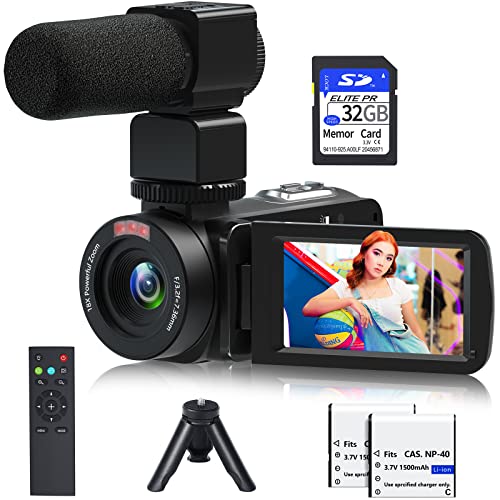
Video Camera, 1080P 30MP Camcorder IR Night Vision Vlogging Camera for YouTube,3.0" LCD Screen 18X Digital Zoom Recorder Camera with Remote Control, Microphone, Mini Tripod, 2 Battries, 32GB SD Card
【Video Camera Camcorder】--This 30FPS video camera recorder movies in 1080P resolution.It includes remote control, microphone, mini tripod, 2...
As an affiliate, we earn on qualifying purchases.
Frequently Asked Questions
What Tools Are Essential for Photo Analysis?
You need vital tools like photo metadata viewers to access details like timestamps and camera info, which help verify authenticity. Image enhancement software is essential for clarifying details, adjusting contrast, or removing noise. These tools enable you to analyze photos accurately, identify key features, and draw reliable conclusions. Combining metadata analysis with image enhancement ensures an all-encompassing approach, making your photo analysis more precise and insightful.
How Long Does a Typical Photo Analysis Take?
A typical photo analysis takes about 30 minutes, but it varies depending on complexity. Notably, studies show that 80% of insights come from examining photo metadata and applying image enhancement techniques. You’ll quickly review these details, enhancing the image if needed, and analyze the metadata for context. This process allows you to efficiently uncover valuable information, making your analysis both faster and more accurate.
Can I Request a Specific Focus During Analysis?
Yes, you can request a specific focus during analysis by providing detailed requests. We use focus techniques to emphasize areas of interest, ensuring your needs are met. Just let us know exactly what you want us to prioritize, whether it’s identifying certain objects, analyzing composition, or highlighting specific details. Your clear instructions help us tailor the analysis to your requirements, making sure you get the most relevant and useful insights.
How Do You Ensure Privacy and Confidentiality?
You guarantee privacy and confidentiality by prioritizing data security and adhering to strict protocols. You use encrypted storage and secure transfer methods to protect client data. Access is limited to authorized personnel, and confidentiality agreements are in place. Regular audits keep your system secure, demonstrating your commitment to maintaining client confidentiality. This approach safeguards sensitive information, giving clients confidence that their data remains private throughout the analysis process.
What Qualifications Do Your Analysts Have?
Our analysts have extensive expertise credentials, including advanced degrees in image analysis and related fields. They undergo rigorous training protocols to guarantee high accuracy and consistency in every photo they review. You can trust that our team combines proven qualifications with continuous professional development, so your images are analyzed by skilled professionals committed to maintaining the highest standards of quality and confidentiality.

Video Camera, Full HD 1080P 30MP Camcorder, Vlogging Camera for YouTube with Infrared Night Vision, 18X Digital Zoom 3.0“ LCD Screen Digital Camera, Video Recorder with Remote Control and Battery
【Full HD 1080P 24MP Video Camcorder】This video camera supports up to 1080P video resolution and 24.0MP image resolution....
As an affiliate, we earn on qualifying purchases.
Conclusion
By following this photo analysis workflow, you can uncover hidden details and gain deeper insights from your images. Remember, studies show that visual content is processed 60,000 times faster than text, making your analysis even more impactful. So, approach each photo with curiosity and precision. With these steps, you’ll enhance your skills and reveal stories behind every pixel, turning simple images into powerful narratives. Keep practicing, and you’ll master the art of photo analysis in no time.
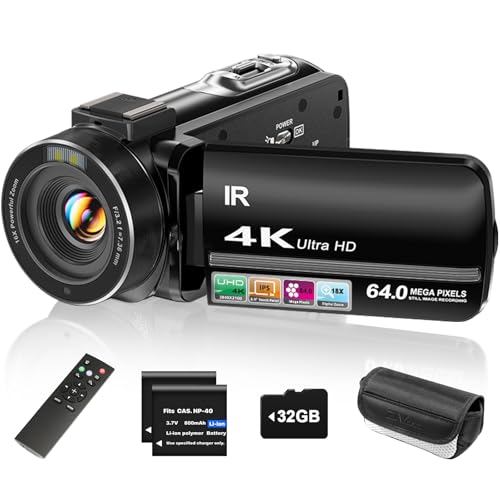
ZYDIIE 4K Video Camera Camcorder UHD 64MP Vlogging Camera for YouTube 18x Digital Zoom 3" 270° Rotation IPS Touchscreen Video Camcorder with Night Vision, Remote Control, 32GB Card, 2 Batteries
4K & 64MP Video Camera Camcorder: Capture life in breathtaking detail with 4K Ultra HD recording and vibrant...
As an affiliate, we earn on qualifying purchases.

VETEK Video Camera 8k Camcorder 48MP UHD WiFi IR Night Vision Vlogging Camera for YouTube, 18X Digital Zoom 3.0“ LCD Screen Digital Camera with Microphone, 32G SD Card, Remote Control and 2 Batteries
【8K 48MP Video Camera】It adopts for newest upgraded sensor.This vlog camera max supports 8K(7680X4320)15fps video resolution,(It also supports...
As an affiliate, we earn on qualifying purchases.