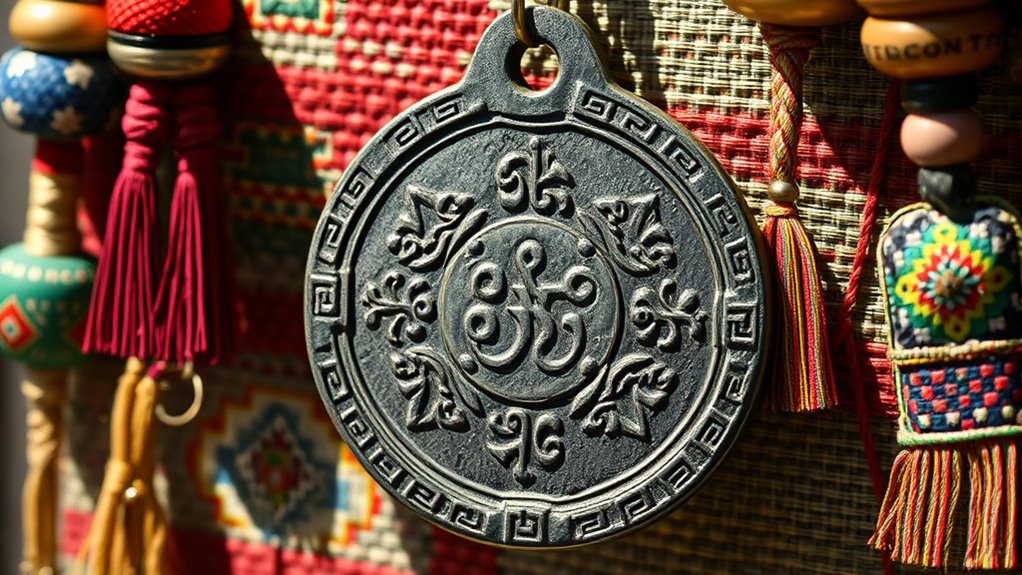

Throughout history, iron has been believed to protect against evil spirits and bad luck. People used iron charms, symbols, and objects—like nails, crosses, and jewelry—to ward off negative energies. Embedding iron into homes or carrying small pieces was thought to create a barrier against harm. This enduring belief spans many cultures and eras, often symbolizing strength and safety. To discover how these traditions continue today and learn more about iron’s mystical role, keep exploring this fascinating topic.
Key Takeaways
- Iron was historically believed to ward off evil spirits and protect against harm in various cultures.
- Iron symbols like nails and crosses were placed at doorways and windows as protective talismans.
- Carrying small pieces of iron or wearing iron jewelry was thought to prevent curses and bad luck.
- Iron objects, including tools and charms, were used in households to deflect negative energies and spells.
- The protective symbolism of iron persists in modern folklore and cultural traditions worldwide.

Throughout history, iron has been believed to possess powerful protective properties in folklore and superstition. People have long thought that iron could ward off evil spirits, prevent harm, and bring good fortune. You might notice that medieval iron charms were commonly used as talismans, often crafted to shield individuals from misfortune or malevolent forces. These charms weren’t just random pieces of metal; they carried symbolic significance rooted in ancient beliefs. Folklore iron symbols, such as iron nails or crosses, were frequently placed at doorways, windows, or around homes to create a barrier against negative energies. You may have seen stories where iron was embedded into household objects or worn as jewelry to serve as a safeguard. The idea was that iron’s very nature could repel spirits or malicious entities that wished to cause harm.
In many cultures, the power attributed to iron was linked to its durability and strength. The notion was that iron’s toughness could withstand malevolent forces trying to penetrate personal or sacred spaces. For example, some traditions hold that carrying a small piece of iron or an iron charm would prevent curses or bad luck from taking hold. Medieval iron charms, in particular, were often inscribed or decorated with symbols to enhance their protective qualities. These symbols ranged from crosses and saints’ images to more abstract patterns believed to invoke divine or supernatural protection. These protective practices often relied on symbolic significance, which reinforced their perceived effectiveness. The use of folklore iron symbols extended beyond personal protection; they were also embedded into household objects, weapons, and even livestock to ensure safety and prosperity.
You might find it interesting that the belief in iron’s protective powers persisted across different regions and eras. In some traditions, it was thought that iron could absorb or deflect evil spells, making it a universal talisman. This widespread faith in its protective capacity led to the common practice of hanging iron objects in homes or wearing iron amulets. Over time, these medieval iron charms and folklore iron symbols became deeply ingrained in cultural practices, often passed down through generations. Though modern science doesn’t support these mystical claims, the historical significance of iron as a symbol of protection remains evident. Whether as a physical object or a symbol, iron’s role in folklore as a guardian continues to capture the imagination, connecting us to a long tradition of seeking safety through ancient symbols and materials.

FLIR E5 Pro - Commercial Thermal Imaging Camera with Wifi. High Resolution Infrared Camera with FLIR Ignite Cloud
Model E5 Pro: Handheld IR camera measures temperatures from -20°C to 400°C (-4°F to 752°F)
As an affiliate, we earn on qualifying purchases.
Frequently Asked Questions
Are Folkloric Iron Protections Effective Against Modern Threats?
Folkloric iron protections aren’t effective against modern threats. Medieval armor and iron in mythology played roles in historical and cultural contexts, but they don’t offer real protection today. While these beliefs might provide comfort or cultural significance, they lack scientific backing. You shouldn’t rely on folklore for safety, especially against contemporary dangers, which require modern security measures and technology rather than medieval armor or mythic iron charms.
How Did Ancient Cultures Incorporate Iron Into Their Protective Rituals?
Ancient cultures incorporated iron into their protective rituals through ancient metallurgy, forging iron amulets and weapons believed to channel ritualistic symbolism. You might have worn iron talismans or embedded iron objects in sacred spaces, trusting that the metal’s strength and spiritual significance would ward off evil. These practices linked the physical power of iron with spiritual protection, reinforcing their belief that iron could deflect harm through its ritualistic symbolism.
Can Iron Charms Be Used for Personal Protection Today?
You might think iron charms are just old folklore, but many believe they still hold protective power today. Iron talismans, rooted in centuries of folklore rituals, can serve as personal protection symbols, offering comfort and strength. Wearing or carrying these charms connects you to ancient traditions, helping you feel guarded against negative energies. Embrace the cultural history and trust in the enduring power of iron to keep you safe and empowered.
What Are the Origins of Iron as a Protective Symbol in Folklore?
Iron origins trace back to ancient times when it was believed to ward off evil spirits and protect against harm. Its folkloric symbolism stems from its strength and durability, making it a natural protective talisman. You might have heard that iron objects or charms can keep away malevolent forces. Today, many still see iron as a powerful symbol of protection, rooted in centuries of cultural beliefs and folklore traditions.
Are There Specific Types of Iron Considered More Powerful for Protection?
You often find that sacred iron, especially mythic power imbued in ancient artifacts, is considered more potent for protection. Historically, forged from special ores or blessed by rituals, certain types like wrought iron are believed to wield stronger safeguarding qualities. These sacred materials carry a mystical might, making them more mighty and meaningful in warding off evil. Their legendary lore amplifies their protective power, creating a powerful barrier against harm.

FOXWELL RT280 Thermal Imaging Camera, 320 X 240 2.8" LCD Screen Thermal Camera, TISR Resolution 240 x 180, 25Hz Handheld Infrared Cameras with Laser, PC Analysis, Photo & Video Recording, 8GB
【Enhanced Thermal Clarity for Precise Inspections】The RT280 handheld thermal imaging camera features a 2.8-inch 320×240 LCD screen for...
As an affiliate, we earn on qualifying purchases.
Conclusion
So, as you hold iron close, you realize how history and belief intertwine, almost like fate. The iron’s strength mirrors the stories woven into folklore, protecting and guiding you. Coincidences seem to echo ancient traditions, reminding you that sometimes, the smallest object can carry the weight of centuries. You feel connected to those who once believed in its power, and in that moment, it all feels perfectly aligned—an unseen shield in the rhythm of life.

FLIR TG165-X Thermal Imaging Camera with Bullseye Laser: Commercial Grade Infrared Camera for Building Inspection, HVAC and Electrical
MODEL TG165-X: 4,800 pixel IR camera measures temperatures from -25°C to 300°C (-13°F to 572°F)
As an affiliate, we earn on qualifying purchases.
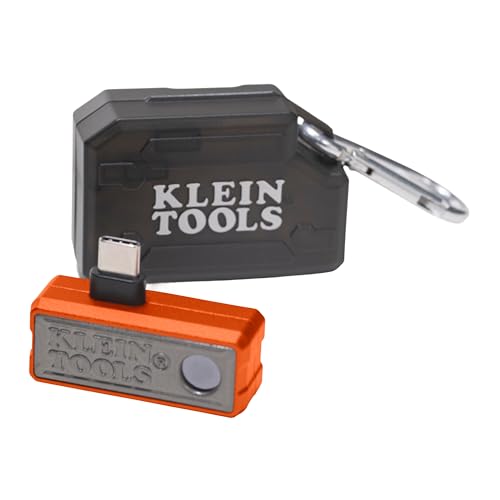
Klein Tools TI223 Mobile Thermal Imaging Camera, Thermal Imager for iOS and Android, 19,200 Pixels, Wide Temperature Range of -4 to 752-Degree Fahrenheit, Professional Infrared Camera
19,200-PIXEL RESOLUTION: High-quality thermal imaging camera delivers excellent resolution for troubleshooting hot and cold spots in electrical and...
As an affiliate, we earn on qualifying purchases.