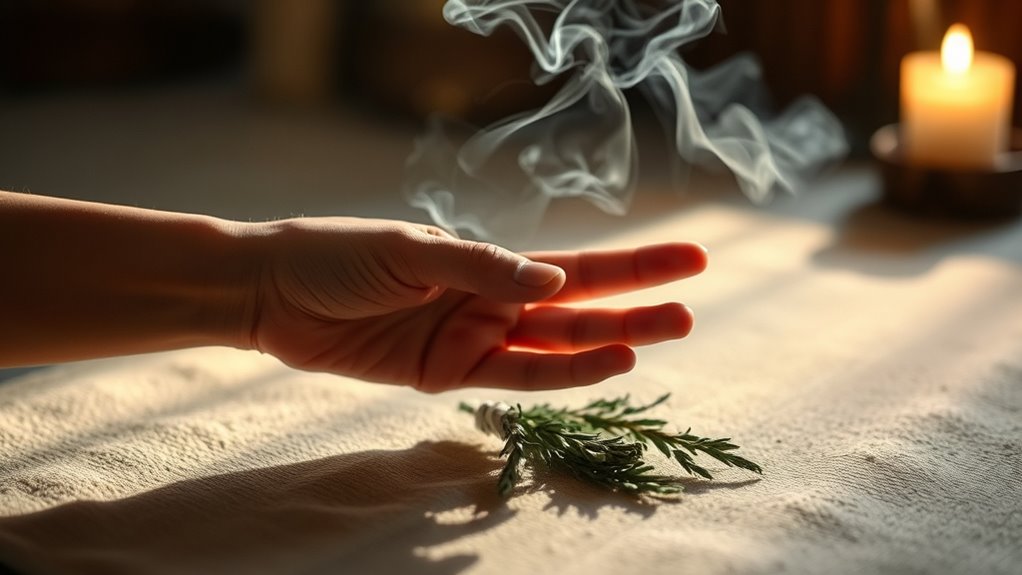

Smudging with sage is a sacred Indigenous tradition meant to cleanse negative energy and connect with spiritual roots. It’s important to approach the practice with respect, understanding its cultural significance, and to source sage ethically from sustainable sources. Overharvesting can harm ecosystems and dishonor Indigenous customs. By practicing mindful, responsible smudging, you honor the tradition’s meaning without contributing to environmental or cultural harm. If you keep exploring, you’ll discover more about how to honor this meaningful practice properly.
Key Takeaways
- Smudging with sage is a sacred Indigenous tradition used for cleansing and spiritual purposes, requiring respectful understanding of its cultural significance.
- Overharvesting wild sage risks environmental harm and threatens biodiversity, emphasizing the need for sustainable sourcing.
- Respect cultural origins by seeking permission, avoiding commercialization, and practicing with reverence to honor Indigenous traditions.
- Using ethically harvested sage supports ecological health and cultural preservation, promoting responsible and mindful smudging practices.
- Recognizing the spiritual and cultural importance of sage helps prevent cultural appropriation and ensures the practice remains respectful.
Smudging with sage is a centuries-old practice used to cleanse negative energy and promote positive vibes in your space. This ritual holds deep cultural significance for Indigenous peoples of North America, where it’s often intertwined with spiritual ceremonies and healing traditions. When you engage in smudging, you’re participating in a practice rooted in respect for tradition, nature, and community. However, it’s crucial to understand that this practice isn’t just about burning sage; it’s about honoring its cultural origins and being mindful of its broader implications.
Using sage for smudging has gained popularity worldwide, but this surge in interest raises concerns about its environmental impact. Wild-harvesting large quantities of sage can threaten local ecosystems, especially when plants are collected irresponsibly or in excess. Many Indigenous communities view sage as a sacred gift from the earth, and overharvesting can deplete wild populations, harming biodiversity and disrupting traditional practices. As someone interested in incorporating smudging into your routine, you should consider sourcing sage sustainably or choosing ethically harvested bundles. This way, you respect both the environment and the cultural significance embedded in the practice.
Understanding the cultural significance of sage helps you appreciate its role beyond a simple cleansing ritual. For Indigenous peoples, sage is more than a plant; it’s a sacred tool that connects them to their ancestors, their land, and their spiritual beliefs. When you burn sage, you’re participating in a tradition that carries centuries of meaning, so it’s respectful to approach it with reverence. Avoid trivializing or commercializing the practice. Instead, learn about its origins, listen to Indigenous voices, and acknowledge the sacredness of the act. If you’re not part of the culture, it’s wise to seek permission or guidance from community members before engaging in smudging, ensuring you honor the tradition correctly.
While smudging can be a powerful way to clear negative energy, it’s crucial to recognize the importance of doing so responsibly. Being aware of the cultural significance and environmental impact encourages a more respectful and sustainable approach. You can still enjoy the benefits of smudging by sourcing ethically harvested sage, practicing mindfulness, and respecting its origins. Additionally, acknowledging the Aboriginal cultural heritage associated with sage use fosters greater respect and understanding. Ultimately, this ensures that your spiritual practice supports not only your well-being but also the preservation of a meaningful tradition and the health of our planet.
Top picks for "smudg sage tradition"
Open Amazon search results for this keyword.
As an affiliate, we earn on qualifying purchases.
Frequently Asked Questions
Can Smudging With Sage Be Harmful to Respiratory Health?
Yes, smudging with sage can pose respiratory risks if you’re sensitive to smoke or inhale it frequently. Smoke inhalation may cause irritation, coughing, or breathing difficulties, especially for those with asthma or respiratory conditions. To minimize health risks, make certain of good ventilation during smudging and avoid prolonged exposure. If you experience discomfort, stop immediately and consult a healthcare professional. Always practice caution to enjoy the spiritual benefits safely.
Are There Cultural Sensitivities to Consider When Smudging?
Don’t bite off more than you can chew; when it comes to smudging, respecting cultural sensitivities is key. Avoid cultural appropriation by understanding and honoring the traditions behind sage smudging. Practice respectful rituals, seek permission if possible, and learn about its significance to Indigenous communities. This shows you value their culture and help prevent misusing sacred practices, ensuring your actions are thoughtful and respectful.
How Often Is It Safe to Perform Smudging Rituals?
You should follow frequency guidelines and consider health considerations when smudging. Typically, performing the ritual once or twice a week is safe for most people, but avoid overdoing it to prevent respiratory irritation or allergies. Pay attention to your body’s reactions, and if you notice any discomfort, reduce the frequency. Always make certain of good ventilation and respect cultural practices, understanding that moderation helps preserve both health and tradition.
Can Smudging With Sage Be Used for Spiritual Purposes Only?
Like a gentle breeze clearing fog, you can use sage for spiritual purposes only, engaging in ritual purification and spiritual cleansing. It’s a sacred tool that helps you focus your intentions, banish negativity, and elevate your mind. While often part of broader traditions, smudging can be a personal practice for spiritual clarity. Just remember, its true power lies in your intent and reverence, transforming ordinary smoke into a vessel of sacred renewal.
Is There a Proper Way to Dispose of Used Sage Bundles?
Yes, there is a proper way to dispose of used sage bundles. You should dispose of sage disposal respectfully by grounding the ashes in the earth or flushing them down the toilet, depending on your tradition. Always practice respectful practices when handling sage, treating it as a sacred tool. Avoid throwing ashes in trash or on the ground casually, and handle the disposal with intention and reverence.
Conclusion
While smudging with sage feels like a meaningful tradition, it’s important to respect its cultural roots and avoid cultural appropriation. If you’re worried about doing it “wrong,” remember that genuine intention matters most. Approach the practice with humility and a willingness to learn. By honoring its origins, you can incorporate smudging into your life thoughtfully, ensuring you respect both the tradition and the culture behind it.