
In visualization, light imagery helps you craft vivid mental scenes that evoke emotion and deepen meaning. Inside your mind, imagine light transforming your surroundings—brightening, glowing, or casting shadows—to guide your feelings and focus. Use light symbolism like warmth for comfort or clarity for truth to reinforce your intentions. By actively incorporating light into your visualization, you enhance its emotional impact and effectiveness, and if you keep exploring, you’ll discover even more ways to harness this powerful tool.
Key Takeaways
- Light imagery enhances visualization by deepening emotional impact and adding symbolic meaning to mental scenes.
- Using different types of light (warm, stark, glowing) influences the mood and emotional tone of visualizations.
- Visualizing light as a guiding or illuminating force helps clarify goals and overcome obstacles.
- Light symbolism can evoke feelings of hope, safety, insight, or revelation within mental imagery.
- Manipulating light imagery makes visualizations more vivid, motivating, and emotionally resonant.
Have you ever noticed how light can transform a scene or evoke a specific mood? It’s a powerful tool in visualization, especially when you harness inner visualization techniques. When you imagine a scene filled with light, you’re not just seeing it with your mind’s eye—you’re actively shaping its emotional tone and meaning. Inner visualization allows you to tap into your subconscious, creating vivid mental images that feel almost tangible. As you focus on the play of light within your mind, you might notice how it highlights certain details or casts others into shadow, guiding your emotional response. Light symbolism becomes essential here because it’s often used to represent clarity, hope, or renewal. When you visualize a bright, glowing light, you’re symbolizing positive change or enlightenment, making it easier for your subconscious to connect with those themes. Additionally, the use of candles in visualization can enhance the emotional depth of your imagery by providing a tangible source of gentle, flickering light that can symbolize guidance or spiritual presence.
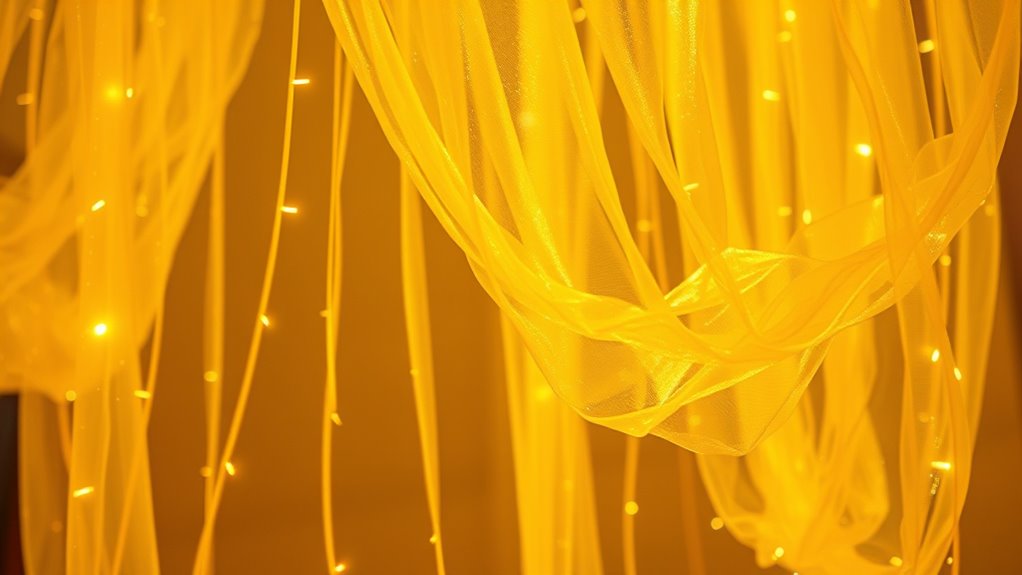
Using light symbolism in your inner visualization can deepen your experience. For example, imagine a dark room suddenly illuminated by a gentle, golden glow. This isn’t just about brightness—it’s about the meaning behind that light. The warm glow can symbolize comfort, safety, or understanding, reinforcing feelings of reassurance as you visualize your goals or desires. Conversely, envisioning a stark, white light might symbolize truth or revelation, helping you confront fears or gain insight. By consciously choosing the type of light in your inner visualization, you’re actively shaping the emotional and symbolic undertones of your mental images. This process enhances your ability to communicate with your subconscious mind, making your visualizations more impactful and meaningful.
In practice, you might picture a pathway bathed in soft sunlight, each step illuminated by the warm glow, representing progress and hope. Or, you could visualize a stormy sky giving way to a clear, bright horizon, symbolizing overcoming obstacles and finding clarity. The beauty of light symbolism lies in its universality and flexibility—you can tailor it to match your inner state or your goals. As you practice this, you’ll find that inner visualization becomes a more dynamic process, as you learn to manipulate light imagery to evoke specific emotions and insights. The more you incorporate light symbolism into your mental images, the more vivid and emotionally resonant your visualizations will become. Ultimately, understanding and utilizing light within your inner visualization helps you craft powerful mental scenes that inspire, motivate, and guide you toward your desired outcomes.
Amazon Product B0F7H3VFVS
As an affiliate, we earn on qualifying purchases.
Frequently Asked Questions
How Does Light Imagery Influence Emotional Responses?
Light imagery influences your emotional responses by evoking feelings of hope, clarity, or serenity through dawn symbolism and illumination effects. When you see gentle light or sunrise scenes, you might feel inspired or comforted, as these images symbolize new beginnings and optimism. Bright illumination effects can energize you or create a sense of peace, guiding your emotions and shaping how you interpret a scene or message.
Can Visualization Techniques Enhance Mental Health?
Yes, visualization techniques can enhance mental health by harnessing visualization benefits. When you regularly practice visualizing positive scenes or goals, you train your mind to focus on calmness and confidence, reducing stress and anxiety. This mental exercise boosts emotional resilience and promotes a sense of control. By integrating visualization into your routine, you can improve your overall mental health, fostering a more optimistic outlook and better emotional regulation.
What Are Common Cultural Interpretations of Light Symbolism?
You might find that light symbolism often represents purity, hope, and enlightenment across many cultures. For example, in Western traditions, light signifies goodness and divine presence, while in Eastern cultures, it can symbolize wisdom and spiritual awakening. These cultural interpretations influence rituals, art, and storytelling, shaping how people perceive brightness and illumination. By understanding these diverse meanings, you gain insight into how light symbolism reflects values, beliefs, and cultural identity worldwide.
How Do Artists Incorporate Light Imagery Into Their Work?
Think of light as a painter’s brushstroke, and you’ll see how artists incorporate it into their work. They use bold light contrast to create depth and focus, guiding your eye across the piece. Luminous color adds vibrancy and mood, transforming ordinary scenes into something extraordinary. By manipulating light, artists evoke emotion, highlight important elements, and craft a compelling visual experience that pulls you into their world.
Are There Scientific Studies on the Psychological Effects of Light Imagery?
Yes, neuroscience research shows that light imagery can profoundly influence your psychological state. Studies indicate that different colors and light intensities affect your mood, focus, and relaxation levels through changes in brain activity and color perception. For instance, bright, warm lights can boost alertness, while softer, cool tones promote calmness. Understanding these effects helps you use light imagery intentionally to improve your mental well-being and overall experience.
Amazon Product B0FLF13P1J
As an affiliate, we earn on qualifying purchases.
Conclusion
So, next time you’re dazzled by a sunset or squint at a shiny object, remember—you’re just indulging in the world’s oldest, most elaborate light show. Visualization and light imagery aren’t just poetic devices; they’re your daily reminder that humans have always been obsessed with brightness, probably because we’re secretly afraid of the dark. Embrace the glow, and let your imagination shine brighter than any spotlight—after all, who needs darkness when you’ve got words and light?
Amazon Product B0CN14DK2P
As an affiliate, we earn on qualifying purchases.
Amazon Product B0BS4J1MZX
As an affiliate, we earn on qualifying purchases.