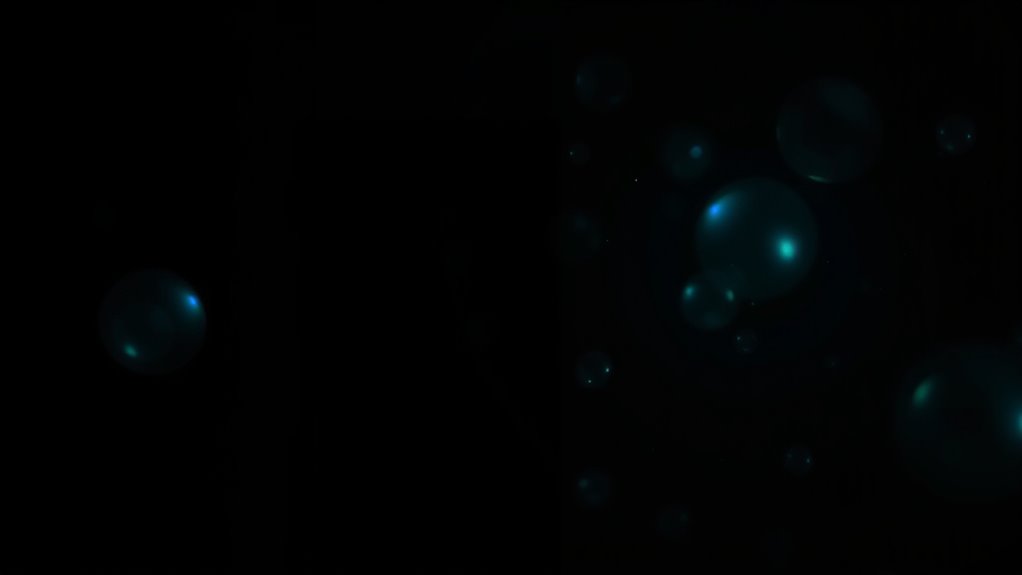

Orbs in photos are not evidence of ghosts; they are typically reflections or particles like dust, pollen, or moisture illuminated by your camera’s flash or low light. These bright, circular spots are camera artifacts caused by the way light bounces off tiny particles near the lens. While many believe orbs reveal spirits, understanding the science shows they’re optical illusions. Want to uncover more about what causes these mysterious images? Keep exploring for the facts behind orbs and how to spot real paranormal activity.
Key Takeaways
- Orbs are usually camera artifacts caused by reflections from dust, moisture, or pollen, not evidence of spirits.
- The appearance of orbs is influenced by lighting conditions and camera settings, making them common optical illusions.
- Paranormal activity exhibits unpredictable motion, unlike the consistent behavior of photographic artifacts.
- Recognizing environmental factors helps differentiate between natural reflections and alleged supernatural phenomena.
- Scientific understanding and critical analysis suggest orbs are optical illusions, not definitive proof of ghosts.
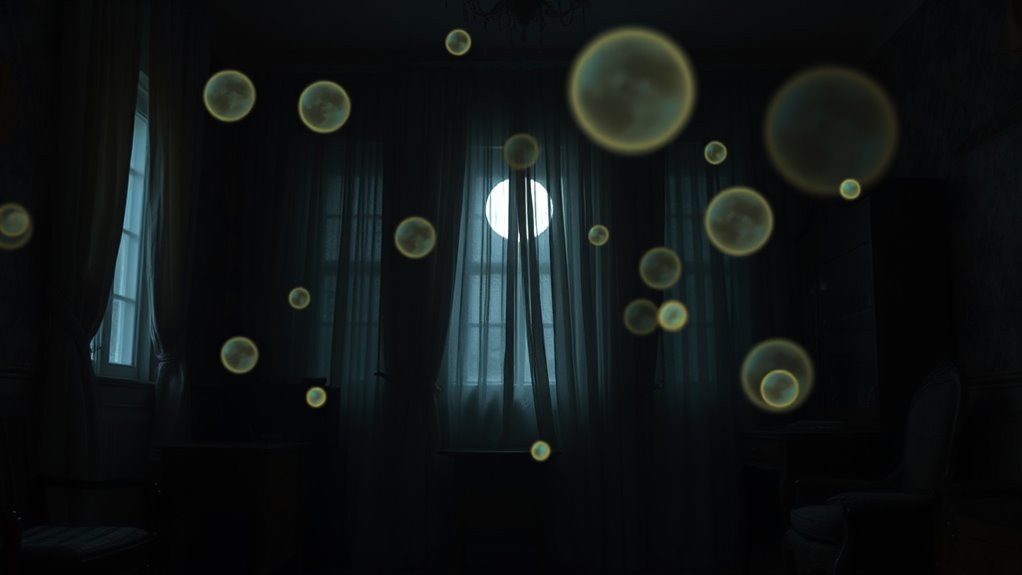
Many people believe that orbs captured in photographs or videos are evidence of ghosts, but the truth is more complicated. Often, what appears as a mysterious glowing sphere is actually a camera artifact, a common photographic illusion that occurs for various technical reasons. When you take pictures in low light or with a flash, tiny particles like dust, pollen, or moisture in the air can reflect the light, creating bright, circular spots that seem to float in the image. These are not supernatural but are purely photographic illusions caused by the camera’s sensor and the interaction of light with small objects close to the lens.
Many orbs in photos are camera artifacts caused by dust, moisture, or particles reflecting light.
You might think that these orbs are paranormal entities, but they’re usually just the result of how your camera captures a scene. Modern cameras, especially smartphones, are highly sensitive, and their small lenses and sensors can easily pick up reflections or particles that are invisible to the naked eye. When the camera’s flash illuminates dust or moisture near the lens, it reflects back into the lens, creating those bright orbs that appear to drift in the air. Because of their round shape and bright appearance, many interpret these as evidence of spirits, but they’re simply the result of camera artifacts.
Understanding that these orbs are often photographic illusions helps you approach such images with skepticism. It’s important to regard the environment where the photo was taken—was there dust in the air? Was the lighting low, prompting the use of flash? If so, it’s more likely that the orbs are just particles reflecting light. The shape and size of these orbs can also give clues; real paranormal phenomena tend to have inconsistent motion and unpredictable behavior, whereas camera artifacts tend to appear consistently in similar conditions and are often static or moving in predictable ways caused by the camera’s angle.
Additionally, awareness of photographic illusions and how environmental factors influence images can help prevent misinterpretation of these phenomena. Many skeptics point out that the prevalence of these orbs in ghost photos is a testimony to how easily photographic illusions can be mistaken for supernatural activity. Without proper context, it’s easy to jump to conclusions and think these floating lights are spirits trying to communicate. But once you understand the science behind camera artifacts and photographic illusions, you realize that these orbs are best explained by natural, mundane causes. It’s a reminder to scrutinize paranormal claims carefully and not accept visual anomalies at face value, especially when they can be explained by simple camera physics and environmental factors.
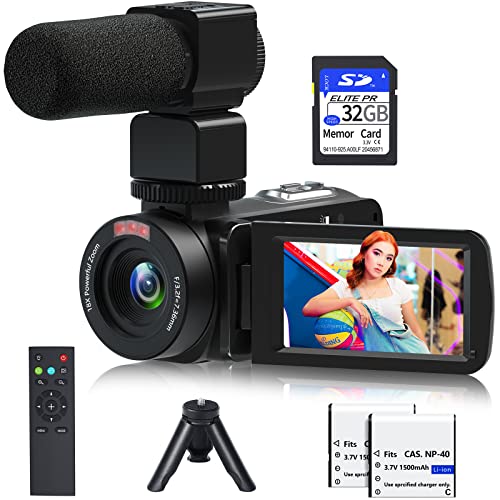
Video Camera, 1080P 30MP Camcorder IR Night Vision Vlogging Camera for YouTube,3.0" LCD Screen 18X Digital Zoom Recorder Camera with Remote Control, Microphone, Mini Tripod, 2 Battries, 32GB SD Card
【Video Camera Camcorder】--This 30FPS video camera recorder movies in 1080P resolution.It includes remote control, microphone, mini tripod, 2...
As an affiliate, we earn on qualifying purchases.
Frequently Asked Questions
Can Orbs Be Caused by Natural Environmental Factors?
Yes, orbs can be caused by natural environmental factors. You might notice photography artifacts like orbs appearing due to environmental interference, such as dust, moisture, or pollen close to the lens. These particles reflect light, creating the orb effect. Weather conditions, lighting, and camera settings also contribute, making many orbs simply natural phenomena rather than paranormal evidence. Always consider these factors before concluding they indicate anything supernatural.
Are There Specific Camera Settings That Produce More Orbs?
You can increase the appearance of orbs by adjusting your camera settings, like using a larger aperture or higher ISO, which amplifies camera artifacts. Additionally, shooting in low light or with direct light sources can cause lens flare, creating orb-like reflections. These settings and conditions make orbs more prominent, but they’re often just caused by natural camera artifacts or lens flare rather than paranormal activity.
Do Orbs Appear Consistently in the Same Locations?
Orbs don’t typically appear consistently in the same locations, as lighting artifacts and dust particles are random and dependent on specific conditions. You might notice them in certain spots due to reflections or dust in the air, but they usually vary from shot to shot. If you want to track their presence, pay attention to lighting changes and dust particles, which often cause these orbs rather than any supernatural activity.
How Do Professional Ghost Hunters Interpret Orb Sightings?
Professional ghost hunters see orb sightings as intriguing clues, but they don’t rely solely on them for paranormal verification. They interpret orbs with scientific skepticism, considering factors like light reflection or dust particles. To them, orbs are visual representations that require additional evidence before confirming paranormal activity. You should understand that while orbs can suggest something unusual, they’re often explained by natural causes, so they’re not definitive proof of ghosts on their own.
What Are Common Misconceptions About Orb Evidence?
You might think orbs are definitive proof of paranormal activity, but many misconceptions exist. In paranormal debates, people often believe all orbs are ghostly manifestations, yet scientific skepticism suggests many are caused by dust, moisture, or camera flaws. You should remember that not every orb sighting indicates a spirit presence; it’s essential to analyze evidence critically and distinguish between genuine paranormal phenomena and natural explanations.

ORDRO Camcorders HDV-V12 HD 1080P Video Camera Recorder Infrared Night Vision Camera Camcorders with 16G Memory Card and 2 Batteries
1080P Video camera: 1920x1080P (FHD) resolution, up to 30.0 mega pixels. 3.0 inches TFT-LCD screen (270 degrees rotation)....
As an affiliate, we earn on qualifying purchases.
Conclusion
So, next time you see an orb, remember it could be a flicker of light, a dust mote, or something more mysterious. Don’t jump to conclusions, but stay curious and cautious. Whether it’s a whisper of the past or just a fleeting sparkle, your eyes hold the power to see, your mind to wonder, and your heart to believe or doubt. In the end, you decide what those orbs reveal—truth or illusion, reality or ghostly whisper.

Video Camera, Full HD 1080P 30MP Camcorder, Vlogging Camera for YouTube with Infrared Night Vision, 18X Digital Zoom 3.0“ LCD Screen Digital Camera, Video Recorder with Remote Control and Battery
【Full HD 1080P 24MP Video Camcorder】This video camera supports up to 1080P video resolution and 24.0MP image resolution....
As an affiliate, we earn on qualifying purchases.
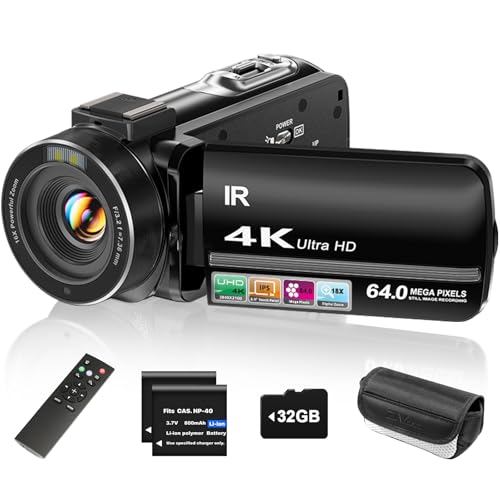
ZYDIIE 4K Video Camera Camcorder UHD 64MP Vlogging Camera for YouTube 18x Digital Zoom 3" 270° Rotation IPS Touchscreen Video Camcorder with Night Vision, Remote Control, 32GB Card, 2 Batteries
4K & 64MP Video Camera Camcorder: Capture life in breathtaking detail with 4K Ultra HD recording and vibrant...
As an affiliate, we earn on qualifying purchases.