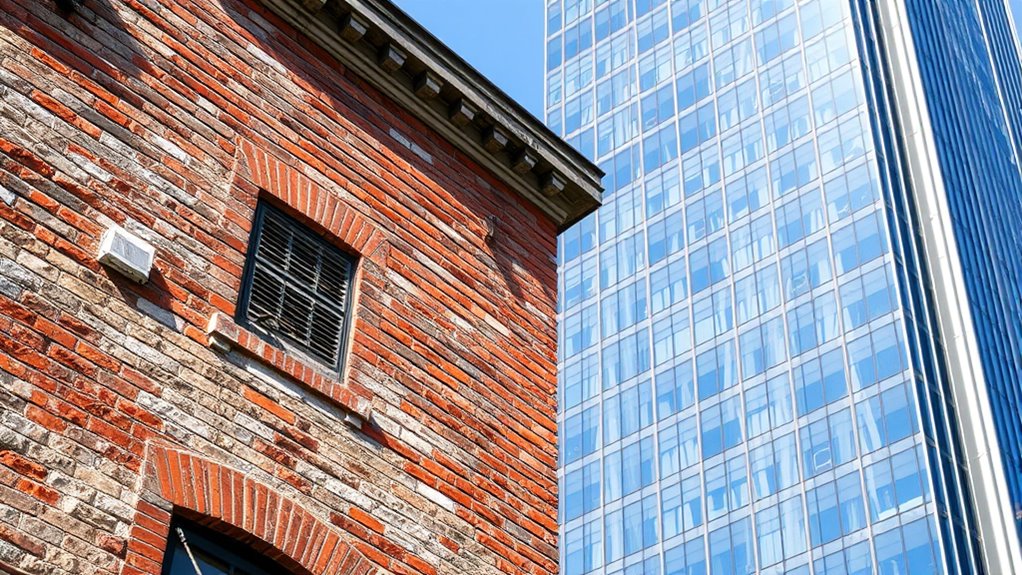

Yes, the age of a building does matter because it affects its aesthetic charm, historical significance, safety features, and maintenance needs. Older structures often have unique architectural details and a sense of character that new buildings may lack. However, they can also require more upkeep and may need upgrades to meet modern standards. If you’re curious about how age impacts value and usability, there’s more to discover about the benefits and challenges of older versus newer buildings.
Key Takeaways
- Older buildings often have unique architectural details and historic charm that modern structures lack.
- They may require more maintenance and upgrades to meet safety and efficiency standards.
- Newer buildings incorporate modern materials, safety features, and energy-efficient systems from the start.
- The historical significance of older structures can increase their market value and appeal.
- Practical considerations, like renovation costs and compliance, influence whether age impacts a building’s desirability.

When considering whether to buy or rent a building, many people wonder if its age truly impacts its value and safety. The answer isn’t straightforward, because age influences different aspects of a building differently. For some, the building’s aesthetics play a significant role. Older structures often feature unique architectural details and craftsmanship that modern buildings might lack. These aesthetic qualities can make a building more attractive, especially if you’re drawn to historic charm or distinctive design. However, the aging process can also lead to wear and tear, which may compromise the building’s appearance unless it’s well-maintained or renovated. So, if visual appeal matters most to you, older buildings might hold more charm, but they may require additional upkeep to preserve their beauty.
On the other hand, the historical significance of a building can greatly influence its value. Structures with rich histories often come with a sense of character and authenticity that new constructions can’t replicate. For some buyers or tenants, owning a piece of history offers a unique connection to the past, making the building more than just a place to live or work. This historical value can also boost its market appeal, especially if it’s listed on historic registers or is part of a protected district. That said, historical buildings often face restrictions on modifications, which could limit your ability to update or expand the space. Plus, maintaining the original features might require specialized restoration efforts, sometimes making them more costly than newer counterparts.
Beyond aesthetics and historical significance, you should also consider the practical side of age. Older buildings might have outdated electrical systems, plumbing, or insulation, which could mean higher renovation costs or safety concerns. Conversely, newer buildings tend to incorporate modern standards and materials, often providing better safety features and energy efficiency right from the start. This practical aspect can impact your decision, especially if safety and lower maintenance costs are priorities. Additionally, advancements in projector technology have made it easier to upgrade entertainment systems without extensive renovations, which can be an advantage regardless of building age.

Identifying Wood: Accurate Results with Simple Tools
Used Book in Good Condition
As an affiliate, we earn on qualifying purchases.
As an affiliate, we earn on qualifying purchases.
Frequently Asked Questions
How Does Building Age Affect Insurance Premiums?
Building age directly impacts your insurance premiums because older buildings often have outdated building code compliance and may lack modern safety features. This can affect the structural integrity, increasing the risk of damage or failure. Insurers see older structures as more vulnerable, leading them to charge higher premiums. To reduce costs, you should maintain your building’s structural integrity and update it to current codes whenever possible.
Are Older Buildings More Environmentally Friendly Than Newer Ones?
Older buildings aren’t necessarily more environmentally friendly, but they can be if you upgrade them with sustainable materials and improve energy efficiency. You can retrofit these structures to reduce energy consumption, install better insulation, and incorporate eco-friendly features. While newer buildings often come with energy-efficient designs, revitalizing older ones can also lower your carbon footprint, making them a sustainable choice when properly modernized.
What Maintenance Costs Are Typical for Historic Buildings?
Historic buildings can have maintenance costs that feel like a never-ending saga, but they’re essential for historic preservation. You’ll likely spend more on structural integrity repairs, such as restoring original materials or updating aging systems. Regular upkeep includes roof repairs, façade cleaning, and addressing foundation issues. While costs vary, expect higher-than-average expenses to keep these structures safe and beautiful, ensuring they stand the test of time for future generations.
Can Renovations Modernize an Old Building Effectively?
Yes, renovations can modernize an old building effectively. You can update building materials to improve durability and energy efficiency, while preserving its architectural styles to maintain charm. Careful planning allows you to blend modern features with historic elements, enhancing functionality without sacrificing character. By choosing appropriate materials and respecting original design, you guarantee the building stays relevant and valuable for years to come.
How Does Building Age Influence Property Value Appreciation?
Building age can substantially influence property value appreciation, especially if the structure holds historical significance or features a desirable architectural style. You might find that older buildings with unique character attract buyers and investors, boosting value over time. Modern renovations can enhance this appeal, but the building’s age often remains a key factor in its market worth, especially when it reflects a rich history or distinctive design.

Musiclily Pro LP STD Vintage 50s and Modern 60s DIY Wiring Kit Upgrade for Epiphone LP Style Electric Guitar, Nickel Switch
LP vintage 50s and modern 60s standard DIY wiring kit, good choice to upgrade the electronics for Epiphone…
As an affiliate, we earn on qualifying purchases.
As an affiliate, we earn on qualifying purchases.
Conclusion
So, does the age of a building really matter? It’s like an old tree with deep roots—its history and character can add charm, but it might also need more care and updates. While newer buildings often come with modern features, older ones can still be safe and beautiful if properly maintained. Ultimately, age isn’t the only factor; what counts is how well the building has been cared for and adapted to your needs.

Insulate and Weatherize: For Energy Efficiency at Home (Taunton's Build Like a Pro)
Insulate and weatherize
As an affiliate, we earn on qualifying purchases.
As an affiliate, we earn on qualifying purchases.

Construction Safety Inspection Tool. Safety Workplace Topics. Job Hazard Analysis Log Book: Employee Safety Handbook General Industry. Construction Job Safety Logbook.Injury Prevention Equipment.
As an affiliate, we earn on qualifying purchases.
As an affiliate, we earn on qualifying purchases.