To store paranormal evidence without damage, handle physical items with gloves to prevent contamination and use acid-free containers or padded storage to protect fragile objects. Keep digital files organized with consistent labels and embedded metadata, stored on secure devices with cybersecurity measures. Store evidence in climate-controlled environments away from sunlight, dust, and moisture, and regularly review your storage practices. Properly labeled, secure storage helps preserve your evidence’s integrity—continue to uncover more tips to safeguard your findings effectively.

Get books and cozy reading nights delivered free with Prime
- Fast, free delivery on millions of items
- Prime Video, Amazon Music and more included
- Member-only deals all year
Key Takeaways
- Store digital paranormal evidence on secure, backed-up devices with embedded metadata to prevent corruption and ensure easy verification.
- Use acid-free containers and padded, stable storage for physical artifacts to prevent deterioration.
- Label all evidence clearly with detailed, durable labels including date, location, and context.
- Maintain a climate-controlled environment to prevent damage from temperature, humidity, and light exposure.
- Restrict access with security measures and keep detailed logs to prevent tampering or accidental damage.
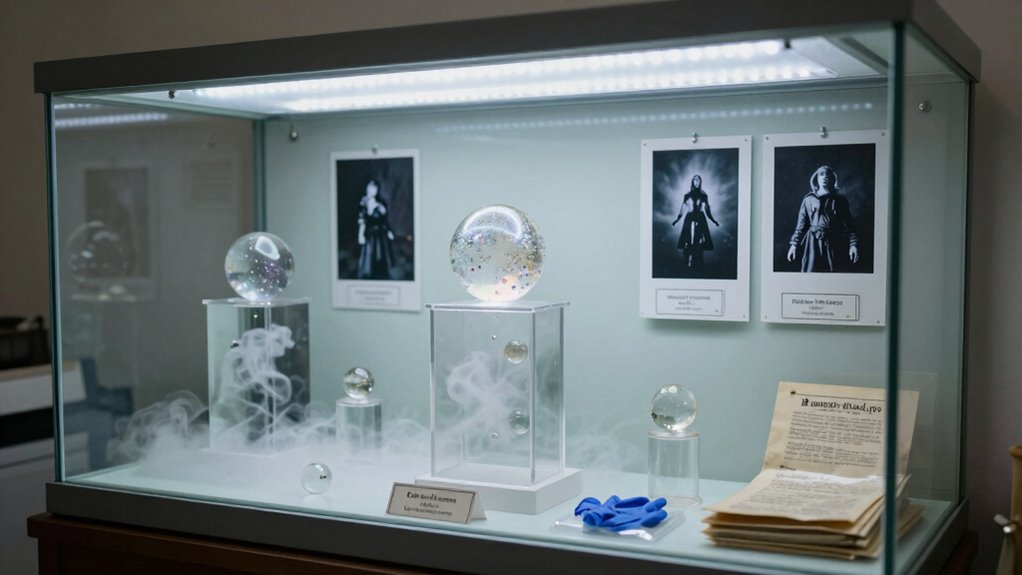
Storing paranormal evidence properly is essential to preserving its integrity for analysis and validation. When you handle evidence from investigations, whether it’s audio recordings, photographs, or physical artifacts, taking steps to guarantee its longevity and authenticity is crucial. Digital preservation plays a significant role here, especially for electronic data like audio and video files. You should save these files in multiple formats and on reliable storage devices, such as external hard drives or cloud-based systems, to prevent data loss. Regularly backing up your digital evidence assures you won’t lose important information if a device fails or becomes corrupted. Additionally, maintaining a clear, organized system for digital preservation makes it easier to retrieve and review evidence later, which is essential if the data needs to be scrutinized or presented in a formal setting. Proper documentation, including detailed records of each item, further enhances the evidence management process. Consistent record-keeping also helps establish a clear chain of custody, which is vital for the credibility of your findings. Implementing standardized procedures for storing and handling evidence ensures consistency and reliability across investigations.
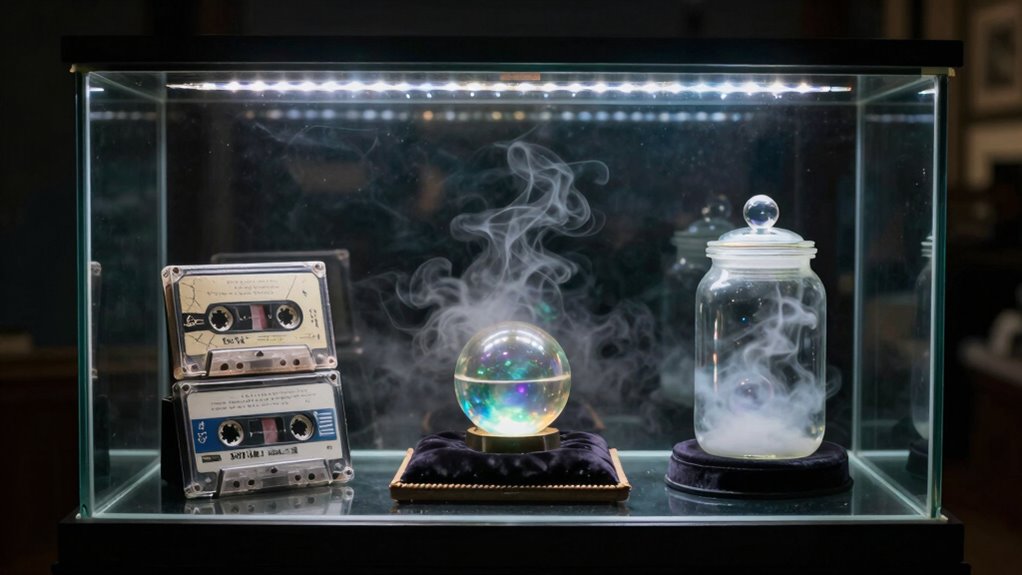
Proper labeling is another key aspect of storing paranormal evidence. When you label your physical or digital evidence, use consistent, detailed descriptions that include the date, location, time, and context of the investigation. This practice helps you avoid confusion or mix-ups that could compromise the evidence’s credibility. For physical items, use acid-free containers or padded storage to prevent deterioration over time. For digital files, include metadata—information embedded within the file that describes its origin and content—so that each piece can be easily identified and verified without opening the file repeatedly. Keep your labels legible, durable, and securely attached, so they don’t fade or detach during storage. Ensuring proper evidence management is vital for maintaining the chain of custody and the overall integrity of your investigation. Additionally, you should also establish a dedicated storage environment that minimizes exposure to damaging elements like dust, moisture, extreme temperatures, or direct sunlight. Climate-controlled storage units are ideal for physical evidence, while digital evidence should be stored on secure, protected devices with proper cybersecurity measures. When handling evidence, always wear gloves to prevent contamination, and handle items carefully to avoid physical damage. Regularly review and update your storage practices to incorporate new technologies and standards for evidence preservation. Maintaining a detailed log of all stored evidence—including when and how it was collected, stored, and accessed—further guarantees the chain of custody remains intact. For optimal evidence security, consider implementing access controls and secure storage protocols to prevent tampering or theft.
acid-free evidence storage containers
As an affiliate, we earn on qualifying purchases.
As an affiliate, we earn on qualifying purchases.
Frequently Asked Questions
Can Paranormal Evidence Be Stored Digitally Without Losing Authenticity?
Yes, paranormal evidence can be stored digitally without losing authenticity. You should use digital encryption to protect the evidence from tampering or unauthorized access, ensuring its integrity. Additionally, focus on evidence preservation by backing up files regularly on secure, verified storage devices. Keep detailed logs of all modifications and transfers, which help confirm the evidence’s authenticity over time. This careful approach maintains the credibility of your paranormal evidence.
What Are the Best Containers to Prevent Contamination of Paranormal Evidence?
A stitch in time saves nine, so choose your containers carefully. Use airtight, non-reactive materials like glass or high-quality plastic to prevent contamination and preserve authenticity. Metal containers can sometimes cause interference, so avoid them. Proper sealing and labeling guarantee evidence stays uncontaminated. Prioritize containers that prevent environmental factors from damaging delicate evidence, ensuring it remains pristine for analysis and validation.
How Long Can Paranormal Evidence Be Safely Stored Without Degradation?
You can typically store paranormal evidence safely for months to years, depending on preservation techniques and storage conditions. To maximize storage longevity, use airtight, radiation-proof containers and keep evidence in a cool, dark environment. Regularly check and handle it carefully to prevent degradation. Proper techniques like sealing in inert materials and minimizing exposure to light, heat, and moisture help preserve evidence’s integrity over time, ensuring it remains usable for analysis or presentation later.
Should Physical Evidence Be Kept in a Climate-Controlled Environment?
Think of your paranormal evidence as a delicate artifact in a museum preservation. Yes, you should keep physical evidence in a climate-controlled environment, much like forensic storage, to prevent deterioration. Fluctuations in temperature and humidity are like storms that can damage fragile relics. Maintaining a stable climate guarantees your evidence stays intact, preserving its integrity for analysis or display, just as a museum carefully safeguards its priceless collections.
Is It Necessary to Document the Storage Process of Paranormal Evidence?
Yes, you should document the storage process of paranormal evidence. Proper documentation guarantees historical preservation and helps in legal considerations by creating a clear chain of custody. You need to record how, where, and when you store the evidence, including environmental conditions and handling procedures. This practice maintains the integrity of the evidence, protects it from damage, and provides a reliable record for future analysis or legal proceedings.
Conclusion
Storing paranormal evidence properly guarantees it stays intact and credible for future study. Remember, using airtight containers and labeling everything clearly can make all the difference. Did you know that nearly 60% of researchers have reported losing valuable evidence due to poor storage methods? By taking these simple steps, you protect your discoveries and preserve their authenticity. Keep your evidence safe, organized, and ready for any investigation that comes your way.
Fall Picks
fall essentials
As an affiliate, we earn on qualifying purchases.