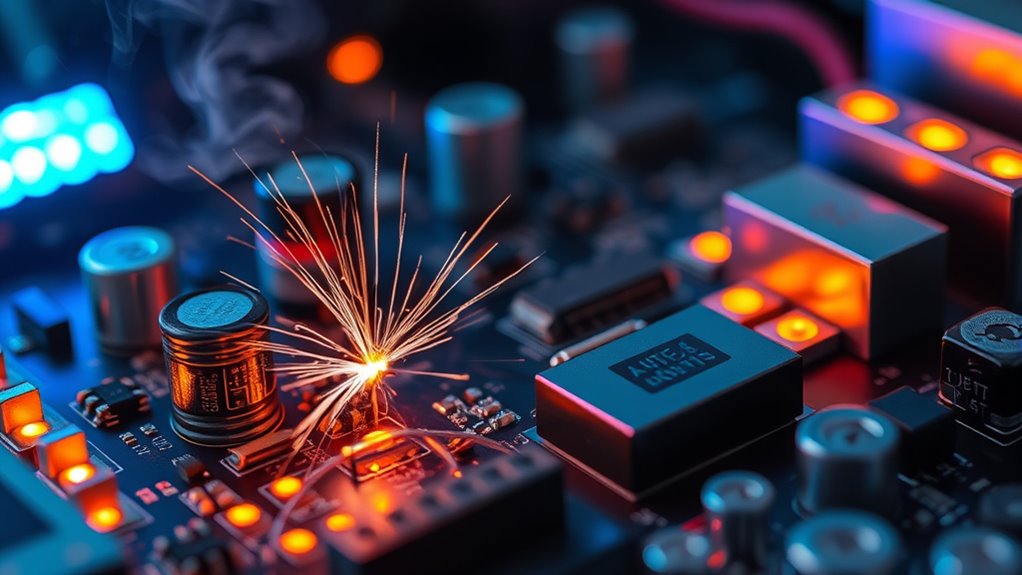

Electronics malfunction mainly because of power surges, manufacturing defects, or external threats that damage internal parts. Power surges from lightning or line issues can overload your device’s circuitry, causing immediate damage. Poor manufacturing, like cracks or bad soldering, can lead to gradual failures over time. Recognizing these causes helps you protect your devices. Keep exploring to understand how to prevent these problems and keep your electronics running smoothly.
Key Takeaways
- Power surges from lightning or faulty wiring can overload circuits and damage electronic components.
- Manufacturing defects like cracks or poor soldering can cause internal failures over time.
- External threats such as line fluctuations can lead to immediate device damage or failure.
- Internal flaws, including component wear or internal corrosion, cause gradual malfunctions.
- Lack of proper protection or low-quality components increases the risk of electronic malfunction.
Electronics malfunction when devices stop working properly, often causing frustration and inconvenience. One of the most common culprits behind these issues is power surges. These sudden spikes in electrical voltage can occur due to lightning strikes, downed power lines, or even when large appliances turn on and off. When a power surge hits your device, it can overload its delicate circuitry, damaging components and rendering it useless. Even brief surges can cause significant harm, especially if your electronics lack proper surge protection. That’s why plugging your devices into surge protectors is essential; it helps absorb excess voltage and shields your equipment from unexpected electrical spikes.
Power surges can damage electronics; using surge protectors helps prevent costly repairs and device failure.
Another factor that leads to electronic malfunction is manufacturing defects. Sometimes, devices leave the factory with inherent flaws — tiny cracks, poorly soldered connections, or subpar components. These defects might not be immediately apparent but can cause problems down the line. For example, a solder joint that’s not solidly connected may weaken over time, leading to intermittent failures or complete breakdowns. Manufacturing defects are especially insidious because they often take months or even years to manifest, making it difficult to trace the root cause back to a faulty production process. When you purchase a new device, it’s always a good idea to check for recalls or reported issues, as these can save you from dealing with persistent malfunctions later on.
While power surges are external threats that can be mitigated with protective accessories, manufacturing defects are internal flaws that require quality control during production. Both, however, can cause your electronics to stop functioning correctly. Power surges cause immediate damage, often resulting in blown fuses or fried circuit boards, whereas manufacturing defects tend to cause gradual failures, such as flickering screens, unresponsive buttons, or random restarts. Understanding these causes can help you take proactive steps to protect your devices — using surge protectors, avoiding overloading circuits, and choosing reputable brands with solid quality assurance. Additionally, electronic component quality plays a crucial role in device longevity and reliability.
In the end, electronics malfunction for various reasons, but many of these issues trace back to either external power fluctuations or internal manufacturing flaws. Being aware of these risks enables you to better safeguard your devices and extend their lifespan. So, next time your device acts up unexpectedly, consider whether a power surge or a hidden manufacturing defect might be to blame. Taking preventive measures can save you time, money, and frustration in the long run.

MAYBESTA Wireless Mini Microphone for iPhone, Android Phone - Lavalier Lapel Mic for Audio Video Recording - Clip on Content Creator Microphones for YouTube Tiktok Podcast Vlogging
Wider Compatibility: No matter what kind of phone device you have, the wireless mini mic is compatible with...
As an affiliate, we earn on qualifying purchases.
Frequently Asked Questions
How Can I Prevent My Electronics From Malfunctioning?
To prevent your electronics from malfunctioning, you should regularly calibrate your devices to guarantee proper functioning. Additionally, protect your devices from power surges by using surge protectors or uninterruptible power supplies. Keep your electronics clean and avoid exposing them to extreme temperatures or moisture. Handling devices carefully and turning them off when not in use also helps prolong their lifespan and reduces the risk of malfunctions.
What Are Common Signs of Impending Electronic Failure?
You might notice signs of impending electronic failure like frequent resets, unusual noises, or overheating. Power fluctuations can cause circuit damage, leading to erratic behavior or component failure. Watch for blinking lights, slow performance, or difficulty turning devices on or off. If you see these signs, it’s essential to address them promptly to prevent further damage. Regular maintenance and surge protection help catch issues early and extend your device’s lifespan.
Do Software Issues Cause Hardware Malfunctions?
Yes, software issues can cause hardware malfunctions. Software glitches and firmware bugs may lead to unexpected device behavior, crashes, or even hardware damage if not addressed promptly. When the software controlling your device is corrupted or outdated, it can interfere with hardware functions, causing components to misfire or fail. Keeping your software updated and troubleshooting glitches can help prevent these hardware problems from developing.
How Does Environmental Temperature Affect Electronics?
Environmental temperature impacts your electronics by causing thermal expansion, which can loosen connections or damage components over time. Excessive heat accelerates wear and may lead to overheating, while cold temperatures can cause brittleness. Humidity effects also play a role; high humidity can lead to moisture buildup, risking corrosion and short circuits. Keeping devices within recommended temperature ranges and controlling humidity helps make certain your electronics stay reliable and functioning properly.
When Should I Replace an Electronic Device?
You should replace your electronic device when its performance declines markedly, repairs become costly, or it no longer meets your needs. Pay attention to signs like frequent crashes, sluggish operation, or outdated features. Considering device longevity and replacement timing helps you avoid unexpected failures. Generally, if your device is over 3-5 years old and repairs outweigh its value, it’s time to upgrade for better performance and reliability.

Box for Spirit Communication - Ghost Hunting & Paranormal Investigation Equipment | EVP Frequency Scanner for Paranormal Research - Black
Advanced Frequency Sweep – Quickly scans AM/FM radio bands to generate white noise, increasing the chances of capturing...
As an affiliate, we earn on qualifying purchases.
Conclusion
So, after all this, it’s almost ironic how we rely so much on electronics to make life easier, only to be frustrated when they suddenly stop working. You’d think modern devices would be foolproof, but they’re just as prone to glitches as anything else. Maybe the real lesson is that no matter how advanced they get, electronics still have a mind of their own. Next time yours malfunctions, just remember—it’s all part of their charm.
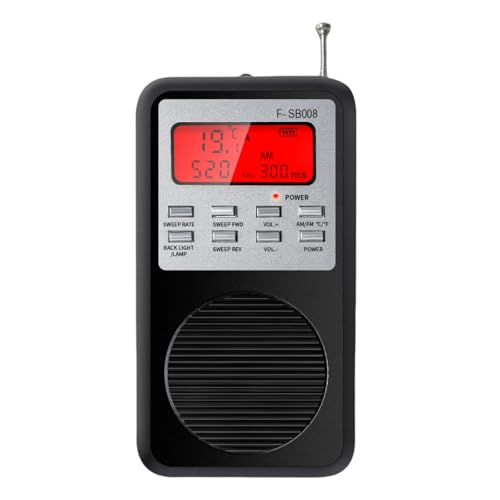
Spirit Box for Ghost Hunting – Paranormal Investigation Device with AM/FM Sweep, EMF Detection, EVP Recorder, Temperature Sensor & Backlit Display – Real-Time Spirit Communication Tool - Black
Comprehensive Paranormal Detection – Equipped with AM/FM radio sweep, EVP capture, and EMF sensing, this Spirit Box helps...
As an affiliate, we earn on qualifying purchases.

Paranormal Music Box, (Rechargeable) Ghost Hunting Device for Spirit Detection - Black
ULTRASONIC DETECTION: Features advanced ultrasonic sensor technology that detects movement up to 5 feet away, calibrating automatically on...
As an affiliate, we earn on qualifying purchases.