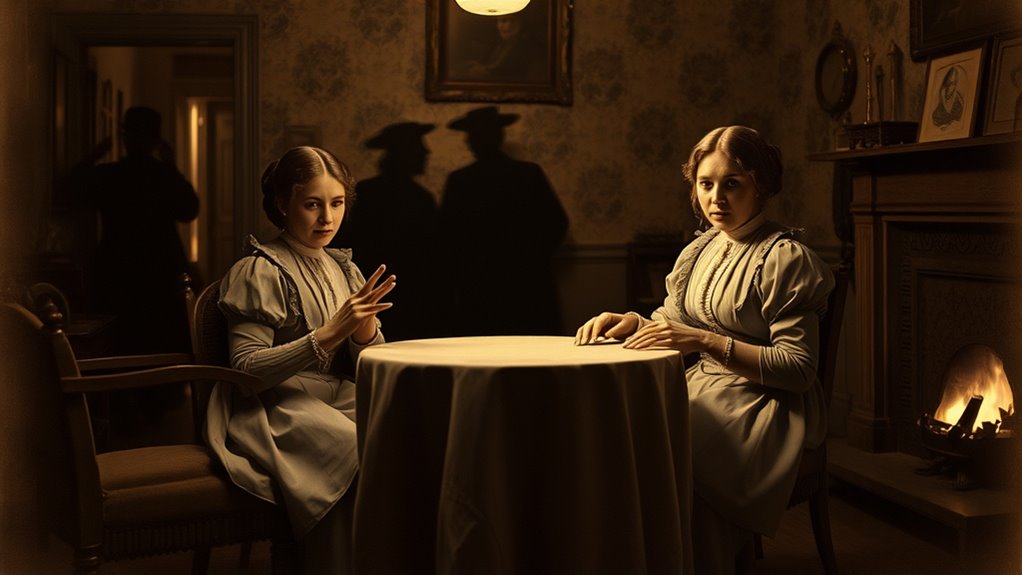

In 1848, the Fox Sisters claimed to communicate with spirits through mysterious rappings in Hydesville, NY, sparking the modern spiritualist movement. Media coverage turned their local story into a nationwide sensation, helped by the era’s technological advances like newspapers and pamphlets. This widespread attention legitimatized spiritualism and influenced public beliefs about the afterlife. If you’re curious, exploring how media shaped this movement reveals fascinating insights into 19th-century culture and communication.
Key Takeaways
- The 1848 Hydesville rappings were claimed by the Fox Sisters as communication with spirits, sparking the spiritualism movement.
- Media coverage, including newspapers and publications, popularized the sisters’ claims nationwide.
- Technological advances like printing and postal systems facilitated rapid dissemination of spiritualist ideas.
- The event shifted spiritualism from fringe belief to mainstream cultural phenomenon through media influence.
- Key sources include contemporary newspaper articles, spiritualist publications, and historical analyses of the movement’s origins.
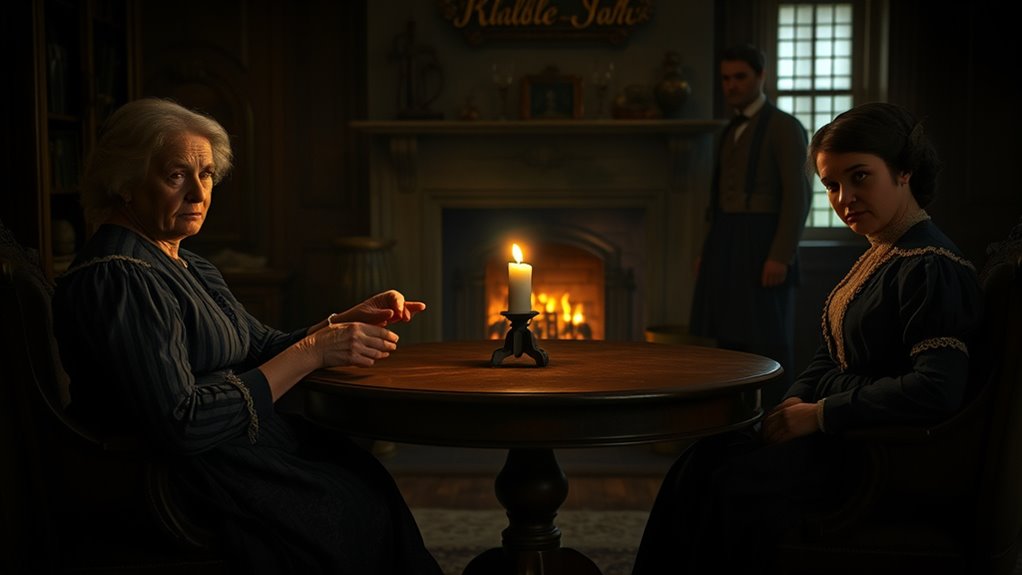
In 1848, the Fox Sisters gained widespread attention when they claimed to communicate with spirits through mysterious rappings at their family home in Hydesville, New York. Their claims marked a pivotal moment in the spiritualism origins that would sweep through the 19th century. At the time, the idea that you could connect with the dead was not new, but the sisters’ performances and the public’s fascination helped popularize it on an unprecedented scale. As the story spread, spiritualism transformed from a fringe belief into a mainstream phenomenon, largely fueled by the burgeoning 19th-century media landscape. Newspapers, pamphlets, and later, spiritualist publications eagerly covered the sisters’ claims, fueling curiosity and skepticism alike.
The Fox Sisters’ claims sparked a media frenzy, transforming spiritualism from fringe belief to a national phenomenon.
The rise of 19th-century media played a vital role in shaping the movement’s growth. It allowed the sisters’ story to reach audiences far beyond Hydesville, turning it into a national sensation. People who had once dismissed spiritualist ideas as superstition now encountered them as credible news stories, debates, and sensational reports. This media coverage created a sense of legitimacy around the movement and helped establish spiritualism as a serious pursuit. The media also provided a platform for followers and critics to voice their opinions, making the conversation about spirits and the afterlife more accessible and widespread.
As the movement gained momentum, spiritualism’s origins became intertwined with the cultural and technological shifts of the time. The 19th century was a period of rapid technological advancement, including the expansion of newspapers, books, and the postal system, which made information more accessible. This environment allowed spiritualist ideas to spread quickly and gain traction among diverse populations. The Fox Sisters’ claimed ability to produce rappings and spirit messages was seen by many as evidence of an unseen realm, and the media’s portrayal of these events helped cement those beliefs in the public consciousness.
Your understanding of this period must acknowledge how powerful the role of media was in shaping spiritualism’s early days. The sisters’ story, amplified by print and word of mouth, helped turn a local claim into a cultural movement. It was a perfect storm — a mix of societal curiosity, technological innovation, and a desire to explore life beyond death. This synergy laid the groundwork for the spiritualist movement’s lasting influence, demonstrating how media can elevate a simple story into a widespread phenomenon.
Frequently Asked Questions
How Did the Fox Sisters Initially Discover Their Supposed Abilities?
You discover the Fox Sisters initially believed they could communicate with spirits after hearing mysterious rapping sounds in their home. They used simple mediumship techniques like cracking their knuckles and making noises to imitate the rapping, which amazed their family. Over time, they claimed to have genuine abilities, but skeptics argued they were using clever tricks, highlighting the importance of spiritualist skepticism and scrutinizing mediumship techniques.
What Specific Techniques Did the Sisters Use to Produce the Rapping Sounds?
You might think the Fox Sisters used some secret supernatural method, but they relied on simple yet clever sound manipulation. They used their toe taps, finger snaps, and even knocking their knuckles on the furniture to produce the rapping sounds. By controlling the timing and force of these movements, they created convincing effects, making it seem like spirits communicated through their tapping techniques—an illusion that captivated everyone.
How Did Local Communities React to the Hydesville Events at the Time?
You find that local communities reacted with mixed feelings to the Hydesville events. Some people were skeptical, questioning the validity of the rappings and suspecting trickery. Others, intrigued or convinced by the sisters’ demonstrations, embraced the phenomenon, leading to varying levels of community acceptance. While skepticism kept many at bay, the events also sparked widespread interest, shaping public perceptions of spiritualism during that era.
Were There Any Documented Skeptics or Critics of the Phenomena?
You’ll find that there were documented skeptics and critics of the phenomena, especially among scientific skepticism circles. Many skeptics responded with disbelief, questioning the authenticity of the rappings and attributing them to trickery or natural causes. They challenged the sisters’ claims publicly, demanding evidence and exposing potential illusions. These skeptic responses helped fuel ongoing debates about the legitimacy of spiritualist phenomena and kept the controversy alive.
How Did the Events Influence the Development of Spiritualism?
You’ll find that the Hydesville events sparked a 300% surge in spiritualist movements, despite scientific skepticism and religious opposition. These phenomena, initially dismissed, convinced many that communication with spirits was real, shaping spiritualism’s growth. The sensational rappings drew believers worldwide, leading to organized séances and new spiritualist doctrines. You can see how these events challenged existing beliefs, fueling both curiosity and controversy that still influence spiritualist practices today.
Conclusion
You might find it astonishing that the Hydesville rappings sparked a worldwide spiritual movement, influencing millions. Nearly 10,000 people flocked to see the Fox Sisters’ performances within just a few years. This ripple effect shows how a simple series of knocks in 1848 transformed beliefs and practices forever. It’s a powerful reminder that sometimes, a small event can ignite a global shift, changing how humanity views life, death, and the unseen world.