Victorian seances became a social phenomenon because they combined the intrigue of the supernatural with theatrical illusions that captivated audiences. People sought spiritual connection, entertainment, and a break from daily life, often sharing these mysterious experiences with friends. The era’s fascination with progress and science fueled both genuine curiosity and clever tricks, making the events highly engaging. If you keep exploring, you’ll discover how these gatherings blurred the lines between illusion, belief, and social fun.

Get books and cozy reading nights delivered free with Prime
- Fast, free delivery on millions of items
- Prime Video, Amazon Music and more included
- Member-only deals all year
Key Takeaways
- They combined spiritual curiosity with entertainment, appealing to societal interests in the supernatural and progress.
- Seances served as novel social gatherings, fostering social bonds through shared mysterious experiences.
- Theatricality and illusion techniques enhanced their allure, blending entertainment with the mysterious.
- Victorian society’s fascination with science, progress, and the mystical fueled public curiosity.
- The duality of genuine belief and clever illusion drew large audiences, making seances a widespread social phenomenon.
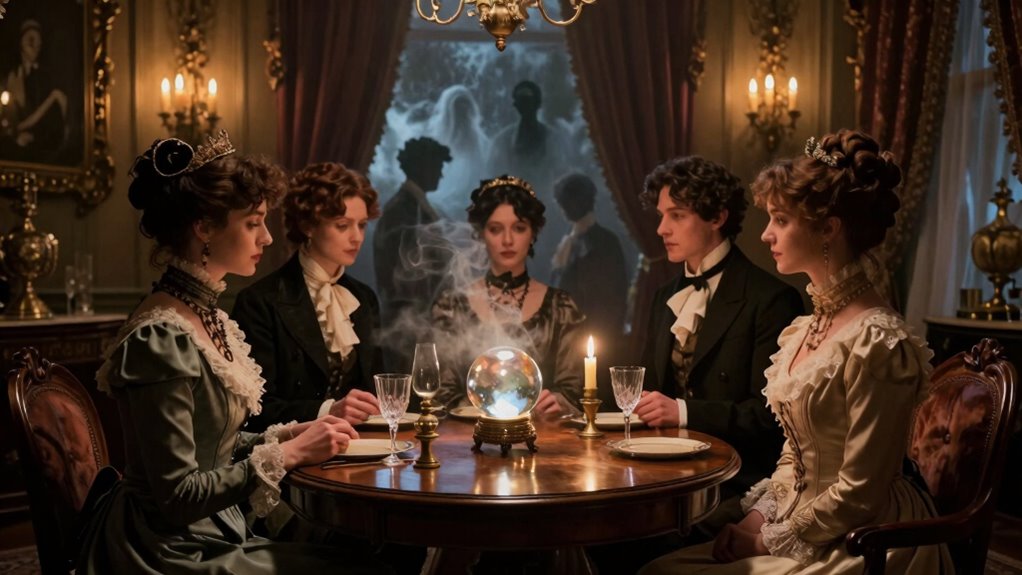
Have you ever wondered why Victorian seances became such a widespread social phenomenon? During the Victorian era, these gatherings weren’t just about trying to contact spirits; they became a popular form of social entertainment that drew people from all walks of life. You might find yourself at a seance, curious about the allure behind these mysterious events, or perhaps you’re just intrigued by how they fit into the broader social fabric of the time.
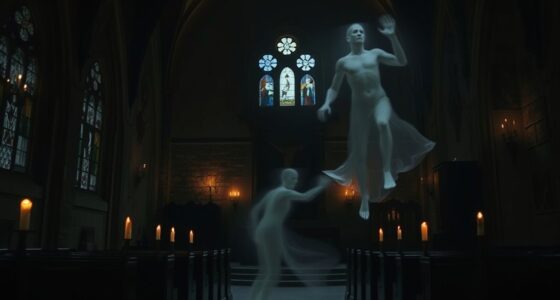
At the core of Victorian seances was the desire for spiritual communication. People believed that the spirits of loved ones, or even famous personalities, could reach out from the afterlife. These sessions promised a direct line to the supernatural world, offering comfort, answers, and a sense of connection beyond death. This fascination with communicating with the spirits was fueled by a mix of religious beliefs, scientific curiosity, and a sense of wonder that permeated Victorian society. It was an era that embraced the supernatural as a way to explore the unknown, and seances became a respected, yet entertaining, method to do so.
Victorians sought spiritual connection, blending faith, curiosity, and wonder through seances as a way to explore the unknown beyond death.
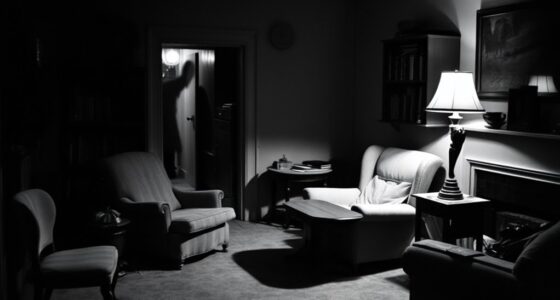
But beyond the spiritual aspect, seances served as social entertainment. They provided a novel form of gathering, where friends and acquaintances could come together to share an experience that was both mysterious and thrilling. You might attend a seance with a group of friends, enthusiastic to see if the medium could produce tangible evidence of spirits or to marvel at the tricks and illusions involved. These events often had a theatrical flair—dim lighting, mysterious sounds, and dramatic readings—designed to captivate and entertain attendees. Seances became a social activity that broke the monotony of everyday life, offering excitement and a sense of participation in something extraordinary. Their popularity was also boosted by the era’s fascination with progress and science, which made them intriguing as a blend of entertainment and exploration of the unknown. The theatricality and illusion techniques employed during seances contributed significantly to their widespread appeal, whether genuine or not. Additionally, the cultural context of the time fostered a public curiosity that helped sustain their popularity. Furthermore, the rise of mediumship as a phenomenon added an air of legitimacy and mystique that kept audiences captivated.
The popularity of Victorian seances was also driven by the era’s obsession with progress, science, and the unknown. While some saw seances as a form of genuine spiritual communication, others regarded them as clever illusions or psychological phenomena. The development of new illusion devices and methods during this period further fueled the debate over their authenticity. Regardless of their authenticity, the experience was compelling enough to attract large audiences. They became a way for people to socialize while exploring the boundaries of what was possible—blurring the lines between science and the supernatural, entertainment and belief.
In essence, Victorian seances became a social phenomenon because they combined a deep-seated desire for spiritual connection with the human craving for entertainment and novelty. They allowed society to explore mystical ideas while fostering social bonds, making them a defining feature of Victorian social life.
As an affiliate, we earn on qualifying purchases.
Frequently Asked Questions
How Did Victorian Society View Spiritualism and Seances?
Victorian society was fascinated by spiritualism, often viewing psychic mediums as genuine connectors to the afterlife. You might have attended seances to witness ghostly apparitions, believing in their spiritual significance. Many saw these sessions as a way to communicate with loved ones lost, blending skepticism with curiosity. While some saw it as entertainment, others genuinely believed in the supernatural power of psychic mediums to reveal hidden truths.
Were There Notable Scandals Associated With Victorian Seances?
Imagine a house of cards teetering on the edge—that’s how scandals rocked Victorian seances. Notable incidents involved medium frauds, exposing elaborate tricks, and claims of demonic possessions that fueled fears and suspicions. These scandals shattered trust, revealing some mediums as frauds, and cast shadows over spiritualism’s legitimacy. You might see these events as cautionary tales, reminding you that even in mysticism, deception can lurk behind the curtain.
Did Any Famous Figures Endorse or Oppose Seances Publicly?
You’ll find that some famous figures, like Sir Arthur Conan Doyle, publicly endorsed seances, seeing them as spiritual connections. However, others, including skeptics and certain politicians, openly opposed them, citing fraud and deception. Celebrity endorsements helped popularize seances among the upper classes, while political opposition often aimed to discredit these practices. These contrasting views fueled public debates, making Victorian seances a fascinating social controversy of the era.
What Technological or Scientific Beliefs Influenced Victorian Spiritualism?
You’re influenced by the Victorian era’s fascination with scientific skepticism and the belief in psychic phenomena. People thought advances in physics, psychology, and electromagnetism could explain spiritual experiences. They hoped science would validate or disprove spiritualism, fueling curiosity. This blend of scientific curiosity and skepticism made seances seem like a way to explore the unknown, blending emerging technology and paranormal beliefs to captivate society’s interest.
How Did Seances Impact Gender Roles in Victorian Social Settings?
You see that seances challenged traditional gender roles in Victorian society by giving women a platform for social empowerment. Women, often expected to be passive or delicate, took active roles as mediums and organizers, defying gender expectations. This shift allowed women to influence social conversations around spirituality and authority, subtly transforming societal views on gender dynamics and empowering them within a largely male-dominated social setting.
Conclusion
Imagine Victorian seances as lanterns guiding society through the fog of uncertainty, illuminating hopes and fears in a flickering dance. As you step into this luminous world, you become part of a grand procession where spirits whisper secrets and the unknown beckons. These séances, like fragile glass or shimmering mirrors, reflect your desire for connection beyond the physical universe. Embrace this spectral voyage, and you’ll see how it transformed society’s collective quest for meaning and reassurance.
Halloween Picks
halloween
As an affiliate, we earn on qualifying purchases.