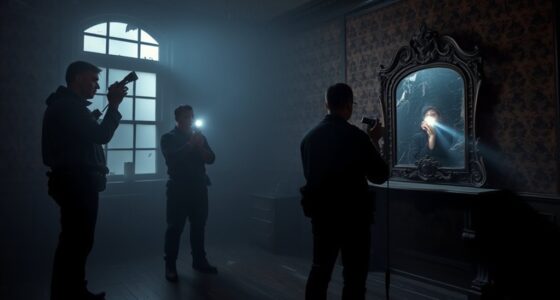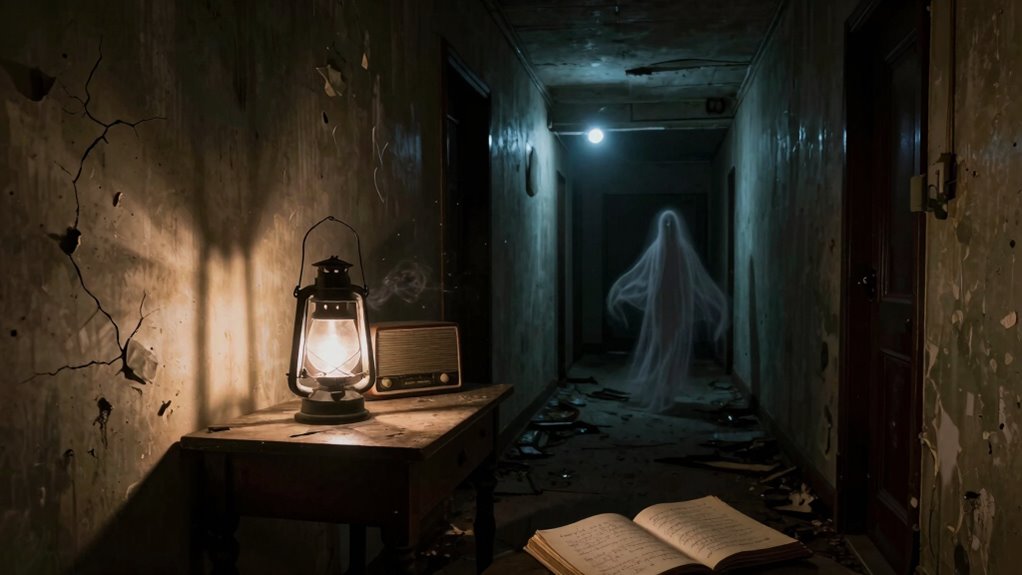

Before calling in a paranormal investigator, you should first review the location’s history for past events and ownership, as these can influence current activity. Check your equipment for proper functioning and eliminate any technical glitches or electromagnetic interference that could cause false alarms. Inspect the environment for natural causes like drafts, creaky floors, or reflections that may mimic paranormal phenomena. Keeping detailed records of your observations and conditions will help you determine if further investigation is necessary. If you’re curious about additional steps, keep exploring.

Get books and reading essentials delivered free — and shop member deals
- Fast, free delivery on millions of items
- Access to Prime Big Deal Days deals on October 6–7
- Prime Video, Amazon Music and more included
Key Takeaways
- Verify the location’s history and any legends that may influence perceived activity.
- Inspect and calibrate all recording and detection equipment to prevent false positives.
- Rule out natural environmental factors like drafts, temperature changes, or structural issues.
- Document all occurrences meticulously, noting time, conditions, and patterns for analysis.
- Ensure thorough pre-investigation research and eliminate natural or technical causes first.

Before calling in an anomaly paranormal team, it’s essential to rule out common explanations that could be causing the strange activity. Many times, what seems paranormal has a straightforward explanation rooted in your environment or recent history. Start by examining the historical context of the location. Research its past uses, ownership, and any significant events. Old buildings, for example, often have tales of previous occupants or incidents that could influence current perceptions. Understanding this background helps you differentiate between genuine paranormal activity and natural or human-made causes. Sometimes, stories or legends associated with a place might influence how you interpret unusual occurrences, so knowing the history provides clarity.
Research the location’s history to distinguish genuine paranormal activity from natural or human-made causes.
Next, conduct a thorough equipment inspection. Many so-called paranormal activities can be attributed to faulty devices or interference. Check your cameras, voice recorders, and electromagnetic field (EMF) meters to ensure they’re functioning correctly. Replace batteries if needed, and verify that all equipment is calibrated properly. Faulty or outdated gear can produce false positives—like strange noises or flickering lights—that might seem paranormal but are simply technical issues. Also, look for sources of electromagnetic interference, such as nearby electronics, Wi-Fi routers, or faulty wiring. These can distort readings and create illusions of paranormal activity. Eliminating or reducing environmental interference ensures that what you observe is genuine and not a product of equipment malfunction. Regular maintenance of your devices can prevent many false alarms, as well as consulting manufacturer guidelines for proper calibration. In addition, paying attention to signal interference can further help in identifying false positives caused by external sources. It’s also helpful to understand the nature of electromagnetic fields, as they can be influenced by many natural and man-made sources, affecting your readings.
Additionally, consider environmental factors that might contribute to unexplained phenomena. Changes in temperature, drafts, or structural issues can cause sounds, shadows, or movement that mimic paranormal activity. For example, settling buildings or creaky floors are natural causes for noises often mistaken as spirits or entities. Conduct a thorough inspection of the premises. Look for drafts, leaks, or areas where light might be bouncing or creating shadow illusions. Addressing these factors can prevent misinterpretations and save you from unnecessary worry or expense. Taking the time to assess these natural causes can significantly reduce false positives.
Furthermore, keeping a detailed journal of occurrences and conditions can help identify patterns or triggers that might explain the activity. This documentation process allows you to analyze the events more objectively and can be valuable if professional investigation becomes necessary. It can also assist in spotting recurring environmental or human factors contributing to the activity. Recording weather conditions, times of activity, and personal observations can provide crucial clues. In essence, before reaching out to a paranormal team, do your homework. Gather as much contextual information as possible, inspect your equipment meticulously, and eliminate natural or technical causes. These steps empower you to assess whether the activity genuinely warrants professional investigation or if it’s simply a matter of environment, history, or equipment. Taking these precautions not only saves you money and time but also helps you approach the situation with a clearer, more rational mindset. It’s about being thorough and methodical, ensuring that when you do call in the experts, it’s because absolutely necessary.
EMF meter for paranormal investigation
As an affiliate, we earn on qualifying purchases.
As an affiliate, we earn on qualifying purchases.
Frequently Asked Questions
Can Natural Phenomena Mimic Paranormal Activity?
Yes, natural phenomena can mimic paranormal activity. You might notice strange sounds, lights, or movements that, upon closer inspection, have scientific explanations. Atmospheric conditions, like electrical storms or temperature inversions, can cause unusual visual or auditory effects. Before jumping to paranormal conclusions, check for scientific explanations, including atmospheric conditions and environmental factors, to guarantee your observations aren’t simply natural phenomena playing tricks on you.
How Long Should I Observe Before Calling for Help?
You should observe for about 15 to 30 minutes, giving time for your sensor calibration to stabilize and environmental factors to settle. During this period, watch for consistent patterns rather than fleeting anomalies. If unusual activity persists despite adjustments and environmental considerations, it’s wise to seek help. Patience helps distinguish genuine signals from natural or technical interference, ensuring you’re not jumping to conclusions too quickly.
Are There Specific Times When Anomalies Are More Active?
Yes, anomalies tend to be more active during specific times. You should look for time patterns, as activity peaks often occur late at night or during quiet hours like early dawn. These periods usually have less ambient noise and distractions, making anomalies more noticeable. Keep track of when you observe unusual activity, so you can better identify these activity peaks and determine the best moments for further investigation or calling for help.
What Safety Precautions Should I Take During an Investigation?
During an investigation, prioritize equipment safety by regularly checking your devices for damage and handling them carefully. Always use protective gear, like gloves and flashlights, to prevent accidents. Maintain clear team communication, so everyone knows each other’s locations and actions. Establish safety protocols beforehand, and stay alert for environmental hazards. By staying vigilant and ensuring your equipment is safe, you reduce risks and create a secure environment for your paranormal exploration.
Do Personal Beliefs Influence the Perception of Anomalies?
Your personal bias and cultural influences subtly color how you perceive anomalies, shaping what you interpret as paranormal. These beliefs act like a filter, making some phenomena seem more significant or mysterious, while others fade into the background. When investigating, recognize that your perceptions might be influenced by your background, so stay open-minded and objective. This awareness helps you differentiate between genuine anomalies and those shaped by your own beliefs.
Conclusion
Before reaching out to a paranormal anomaly, remember you’re the lighthouse guiding your own ship through foggy waters. Check the environment, document what you see, and rule out everyday explanations first. Think of these steps as your beacon, illuminating what’s real from what’s not. Only then, if mysteries still linger, should you call for help. Trust your instincts and stay grounded—your clarity is the compass that keeps you safe on this uncharted voyage.
Fall Picks
fall essentials
As an affiliate, we earn on qualifying purchases.