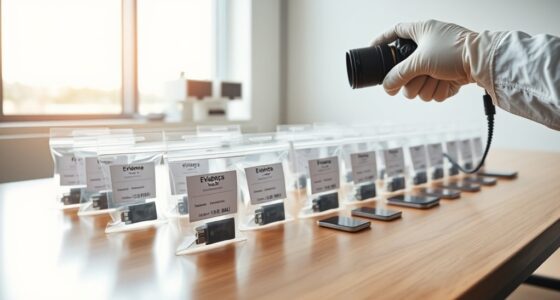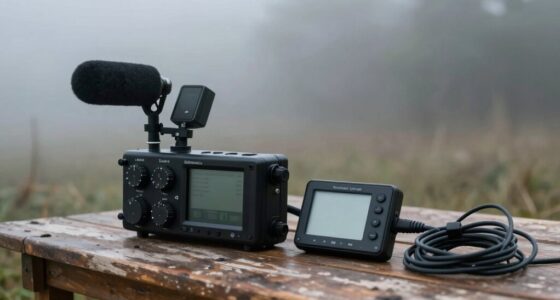

To conduct an EMF baseline sweep step-by-step, start by planning your environment into sections, then use reliable EMF meters or spectrum analyzers to measure levels at multiple points, holding the device steady. Record environmental factors and fluctuations, noting high-exposure spots. Repeat measurements at different times for better accuracy. Organize your data into a detailed report. If you want to learn how to perform each step thoroughly, keep going for expert guidance.
Open a free Amazon Business account
Business pricing, bulk buying and tax-exempt orders.
As an affiliate, we earn on qualifying purchases.
Key Takeaways
- Plan the environment by dividing it into sections and identify potential EMF sources before measurement.
- Use calibrated EMF meters suited for the specific frequency ranges, employing both spot checks and continuous logging.
- Walk slowly through each area, recording measurements at multiple points and noting environmental factors like wiring and appliances.
- Observe fluctuations and peaks to identify localized EMF sources, using spectrum analyzers for detailed frequency analysis.
- Document all measurements comprehensively to establish a baseline profile for future monitoring and health assessments.
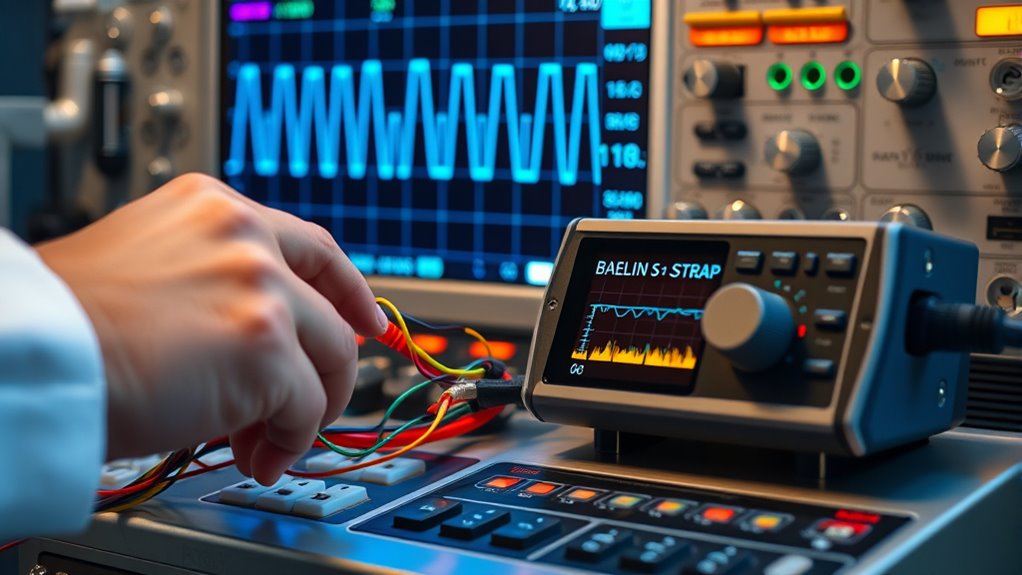
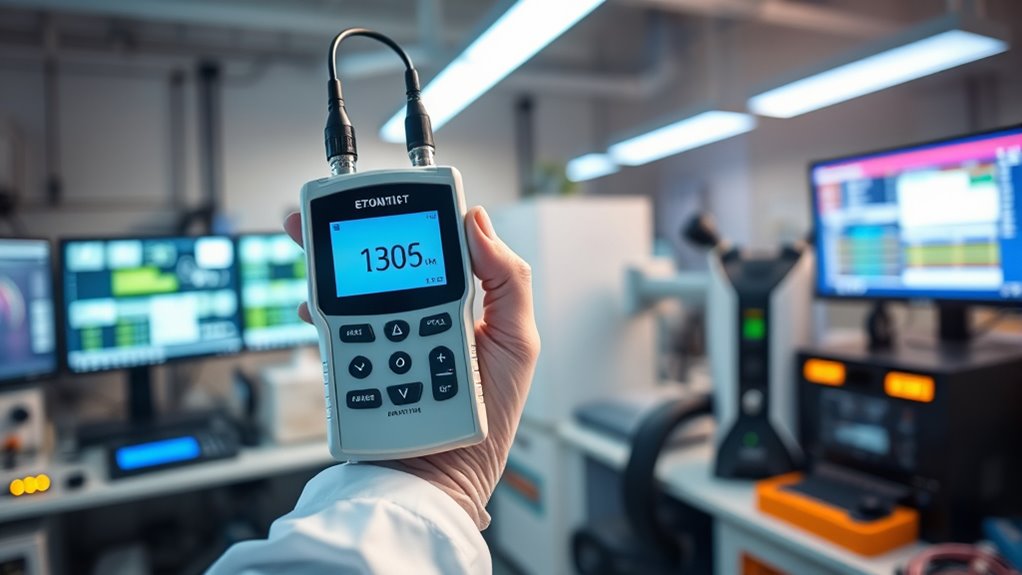
Have you ever wondered how to accurately assess electromagnetic field (EMF) exposure in a given environment? The key lies in conducting a thorough EMF baseline sweep, which involves systematic measurement techniques to identify existing electromagnetic exposure levels. This process helps you understand the ambient EMF environment before any new equipment or modifications are introduced. To begin, you need a reliable EMF meter or sensor designed for the frequency range you’re interested in. These measurement techniques vary depending on whether you’re checking for low-frequency fields from power lines or radiofrequency fields from wireless devices. Familiarize yourself with the device’s calibration instructions to guarantee precise readings.
Conduct a precise EMF baseline sweep with reliable meters to assess ambient electromagnetic exposure levels accurately.
Next, plan your sweep by dividing the environment into sections. Walk through each area slowly, holding the meter at consistent distances from surfaces and sources to avoid fluctuations. Keep the meter’s probe steady and record the measurements at multiple points within each zone. This approach helps you capture the variability of electromagnetic exposure levels across the space. Be sure to document environmental factors like electrical appliances, wiring configurations, and microwave sources that could influence your readings. Using measurement techniques that include both spot checks and continuous logging can provide a thorough view of the EMF landscape. Understanding the role of shared traits between father and daughter can also help in interpreting how environmental factors might impact family health and well-being.
Throughout the sweep, pay attention to peaks and fluctuations in the readings. These spikes might indicate localized sources of higher electromagnetic exposure, such as routers, transformers, or industrial equipment. It’s useful to note their locations for future reference and potential mitigation. Keep in mind that electromagnetic exposure isn’t static; it can vary with time and activity. Conducting measurements during different times of the day or week can help you understand these variations better. If your environment contains multiple sources of EMF, consider using a spectrum analyzer to distinguish between different types of signals and frequencies.
Finally, compile all your data into a detailed report that highlights the baseline levels across your environment. This initial assessment forms the foundation for future monitoring and helps you evaluate the impact of any changes or new equipment. By applying precise measurement techniques during your EMF baseline sweep, you guarantee that you’re accurately capturing the existing electromagnetic exposure, enabling you to make informed decisions about safety and mitigation. Remember, understanding your environment’s EMF profile isn’t just about compliance — it’s about safeguarding health and creating a safer space.
EMF meter for low frequency fields
As an affiliate, we earn on qualifying purchases.
As an affiliate, we earn on qualifying purchases.
Frequently Asked Questions
What Equipment Is Best for EMF Baseline Sweeps?
You should use a high-quality, calibrated EMF meter for baseline sweeps to guarantee measurement accuracy. Look for equipment with sensitive probes, such as tri-axial or broadband meters, that can detect a wide range of frequencies. Regular calibration of your device is essential to maintain measurement precision. This way, you get reliable data, helping you identify EMF sources and assess exposure levels accurately.
How Often Should Baseline Sweeps Be Performed?
You should perform EMF baseline sweeps regularly, ideally every three to six months, to maintain frequency consistency. Seasonal variations can affect EMF levels, so more frequent sweeps might be necessary during times of significant environmental changes or if you notice unusual electromagnetic activity. Regular testing helps you identify fluctuations early, ensuring safety and peak equipment performance. Adjust your schedule based on environmental factors and any changes in your surroundings.
Can EMF Levels Vary Throughout the Day?
Yes, EMF levels can wildly fluctuate throughout the day due to time fluctuations and daily variations. You might notice sudden spikes when appliances turn on or during peak hours of electromagnetic activity. These fluctuations happen because of changing sources and environmental factors, making it essential to monitor EMF levels regularly. Staying aware of these daily variations helps you better manage your exposure and keep your environment safer.
Are There Safety Standards for EMF Exposure?
Yes, there are safety regulations for EMF exposure based on health guidelines set by organizations like the WHO and ICNIRP. These standards specify maximum exposure levels to protect your health, ensuring that electromagnetic fields do not cause harm. You should follow these safety regulations, especially if you work with or are near sources of EMF, to minimize potential health risks and stay within recommended exposure limits.
How Do Environmental Factors Affect EMF Readings?
Environmental factors can greatly influence your electromagnetic field readings. Just like Electromagnetic interference disrupts radio signals, environmental noise—like nearby electronic devices, power lines, or metallic objects—can skew your EMF measurements. These external influences create a complex backdrop that makes it harder to get accurate readings. To guarantee precision, you need to account for these environmental factors, minimizing interference during your baseline sweeps for the most reliable results.
Conclusion
Now that you’ve completed the EMF baseline sweep, think of it as charting your personal map through a quiet forest before the storm. Just like a lighthouse guides ships safely ashore, your baseline helps you navigate electromagnetic environments confidently. Remember, understanding these hidden currents shields you from unseen intruders, allowing your space to remain calm and clear. With this knowledge, you’re now equipped to stand firm amidst the invisible waves, much like a sturdy tree rooted in the earth.
Baby shower & registry season Picks
baby registry must-haves
As an affiliate, we earn on qualifying purchases.