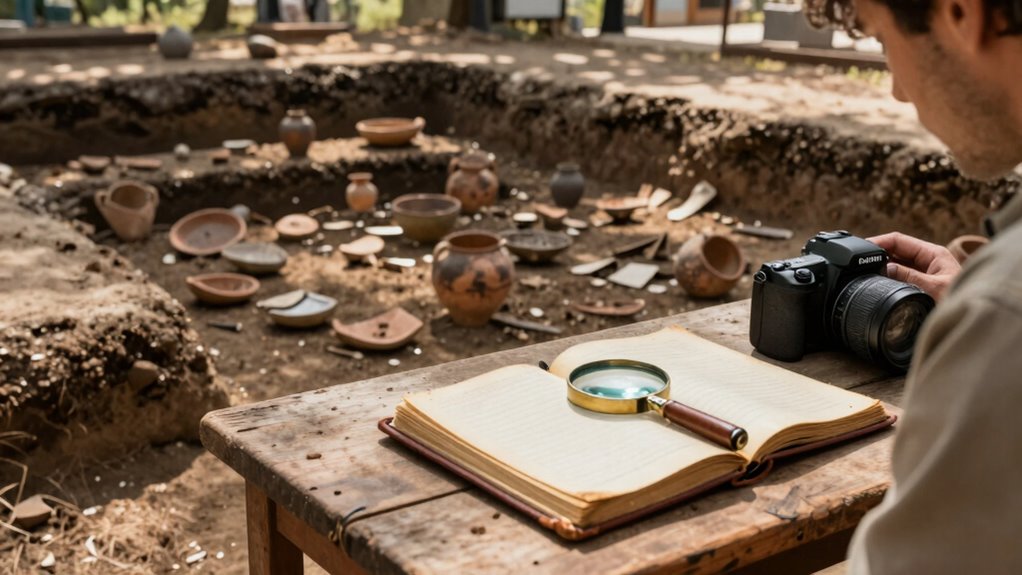

Including historical research in every field investigation helps you understand the broader context behind your findings, making your conclusions more accurate and meaningful. It provides access to key documents, records, and past patterns that clarify physical evidence and prevent misinterpretations. By considering historical factors, you build credibility and uncover connections often hidden in the surface data. Stay with us to discover how integrating history can elevate your investigative approach and deepen your insights.
Open a free Amazon Business account
Business pricing, bulk buying and tax-exempt orders.
As an affiliate, we earn on qualifying purchases.
Key Takeaways
- Provides contextual understanding that enriches interpretation of evidence across disciplines.
- Ensures findings are grounded in historical accuracy, preventing misinterpretation.
- Reveals patterns, connections, and changes over time relevant to the investigation.
- Enhances credibility by incorporating multidisciplinary insights and documented sources.
- Helps identify and verify evidence, reducing errors and strengthening conclusions.
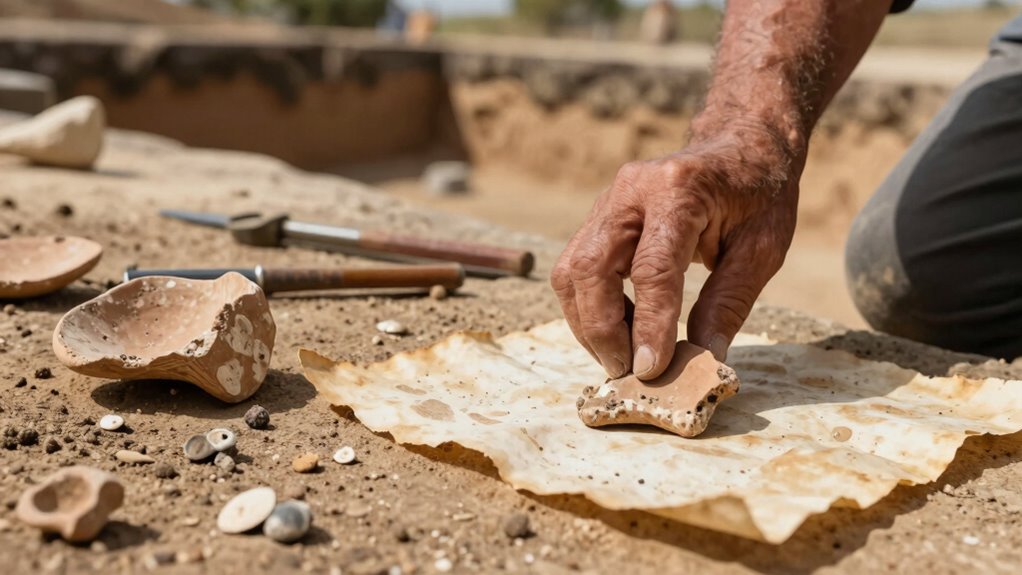
Have you ever wondered how historians uncover the truth about past events? It’s a process that relies heavily on analyzing various sources, especially archival sources, which hold the key to understanding historical context. When you engage in field investigations, incorporating historical research isn’t just beneficial—it’s essential. Archival sources like documents, photographs, letters, and official records provide foundational evidence that helps piece together what truly happened. These sources are treasure troves of detailed information that might not be obvious from physical evidence alone. They offer insight into the social, political, and cultural climate of the time, giving you a richer, more accurate picture of the past.
Understanding the historical context is critical in any field investigation because it frames the evidence within the larger story. When you approach an investigation with a historical perspective, you avoid jumping to conclusions based solely on surface-level findings. Instead, you interpret evidence in light of the circumstances, beliefs, and norms that existed during that period. This approach guarantees your conclusions aren’t just based on isolated facts but are grounded in the broader narrative of the time. By studying archival sources, you can trace changes over time, identify patterns, and uncover connections that might otherwise stay hidden. Recognizing the importance of archival preservation can also help you access the most relevant and authentic sources for your research. Additionally, understanding the methods of archival research can improve how efficiently you locate and utilize these valuable resources. Developing skills in archival management can further enhance your ability to handle and interpret these records effectively.
Understanding historical context helps interpret evidence accurately and reveal hidden connections over time.
Incorporating historical research into your fieldwork also enhances your credibility. It demonstrates a thorough, multidisciplinary approach, showing that your findings are well-rounded and informed by a deep understanding of past influences. For example, if you’re investigating an archaeological site, knowing the historical context can guide you in interpreting artifacts, settlement patterns, or land use. Archival sources can reveal trade routes, societal structures, or technological advances relevant to your investigation, providing a context that transforms raw data into meaningful insights.
Furthermore, using historical research methods can help you avoid common pitfalls, such as misinterpreting evidence or overlooking significant details. When you consult archival sources, you gain access to firsthand accounts and contemporary records that clarify ambiguities. This process allows you to corroborate findings from physical evidence with documented history, strengthening your overall analysis. Additionally, understanding how historical archival sources are preserved and accessed can improve the efficiency of your research process. In the end, integrating historical research into field investigations isn’t just about uncovering the past—it’s about enriching your understanding, making your conclusions more accurate, and providing a thorough narrative that respects the complexity of history and the present.
As an affiliate, we earn on qualifying purchases.
Frequently Asked Questions
How Does Historical Research Influence Current Investigative Techniques?
Historical research influences your current investigative techniques by providing essential historical context that helps you understand patterns and motives. It informs your investigative methodologies, allowing you to identify similarities with past cases and avoid repeating mistakes. By examining previous outcomes, you refine your approach, making your investigations more effective. This continuous learning process helps you develop a nuanced perspective, improving your ability to solve cases efficiently and accurately.
What Are Common Challenges in Integrating History Into Field Investigations?
Imagine trying to piece together a puzzle with missing pieces—that’s how integrating history into investigations feels. Common challenges include limited archival access, making it tough to retrieve vital data, and evaluating source credibility, since not all records are accurate. You often face outdated or biased documents, risking misinterpretation. Overcoming these hurdles demands patience, critical thinking, and reliance on diverse sources to build a truthful, thorough picture.
How Do Historians and Investigators Collaborate Effectively?
You collaborate effectively by combining archival methods and oral histories to gather all-encompassing evidence. You share findings, cross-check data, and respect each other’s expertise, ensuring historical context informs your investigation. By actively listening to oral histories and thoroughly analyzing archives, you build a richer understanding. This teamwork enhances accuracy, helps uncover overlooked details, and integrates past insights into current investigations seamlessly, making your work more thorough and credible.
What Tools Are Used for Historical Data Collection in Investigations?
Think of yourself as a detective with a toolbox filled with keys. Archival sources open locked doors to past events, revealing hidden clues. Oral histories are like whispers from the old town square, sharing personal stories that breathe life into dry facts. Together, these tools help you piece together the puzzle, giving depth and context to your investigation. They’re essential keys that disclose the stories behind the evidence.
Can Historical Research Prevent Future Incidents?
Yes, historical research can prevent future incidents by providing vital historical context. By analyzing past mistakes, successes, and patterns, you can identify potential risks and develop strategies to avoid repeating errors. This proactive approach enables you to anticipate issues before they escalate, enhancing safety and efficiency. Incorporating historical insights into your investigations helps create informed policies, ultimately contributing to incident prevention and better preparedness for future challenges.
Conclusion
Think of historical research as the compass guiding your field investigation through uncharted waters. Without it, you risk drifting aimlessly, missing hidden clues and deeper truths. By anchoring your work in history, you illuminate the path ahead, revealing patterns and connections that might otherwise stay buried. Embrace this essential tool, and you’ll navigate your investigation with confidence, uncovering stories that enrich your understanding and guarantee your findings stand on a solid foundation.
NFL season / tailgating Picks
team gear
As an affiliate, we earn on qualifying purchases.