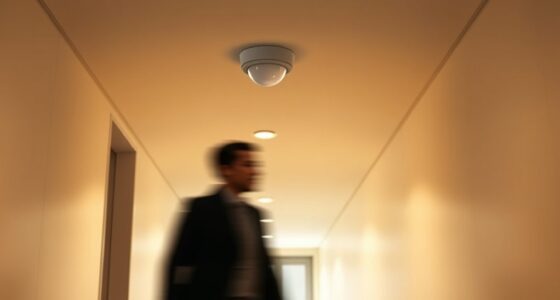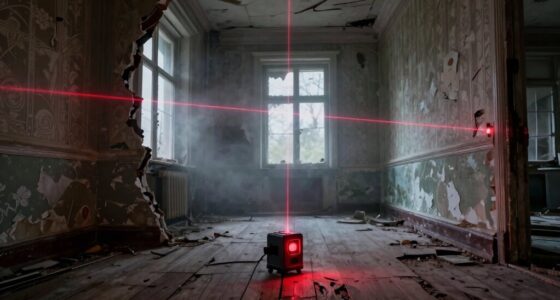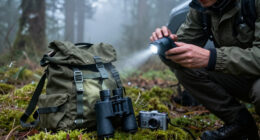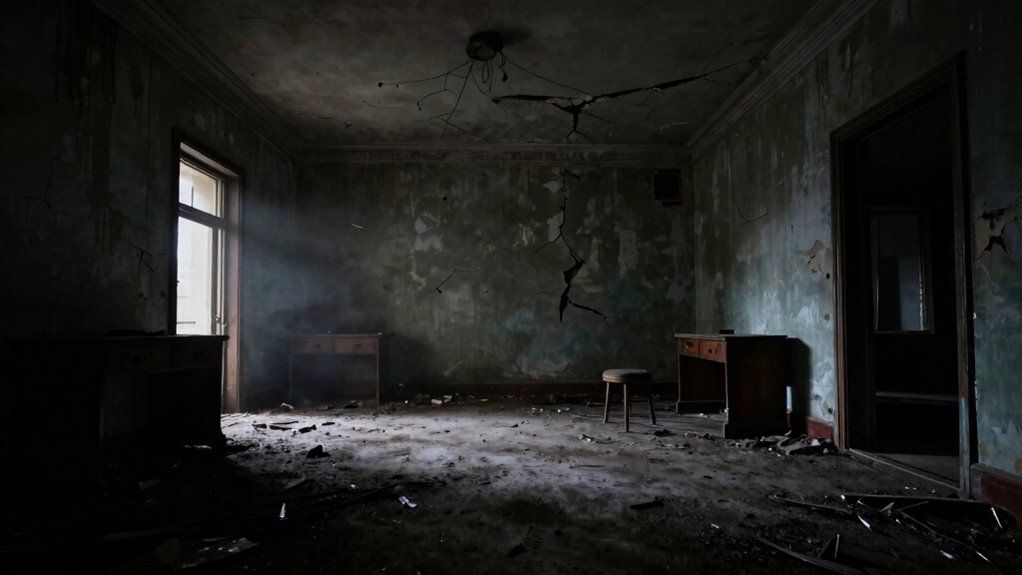
Your lens choice greatly impacts the mood of haunted interior footage. A wide-angle lens can emphasize the vastness or claustrophobia of a space, creating a sense of unease with distortion and deep shadows, while a telephoto lens isolates specific details or figures, making scenes feel more threatening and intense. Properly selecting and stabilizing your lens helps control the scene’s perspective and atmosphere. Keep exploring to discover how these techniques can make your haunted footage truly unsettling.

Get books and cozy reading nights delivered free with Prime
- Fast, free delivery on millions of items
- Prime Video, Amazon Music and more included
- Member-only deals all year
Key Takeaways
- Wide-angle lenses expand space and create a sense of unease through distortion and exaggerated depth.
- Telephoto lenses isolate specific details, making eerie elements seem closer and more threatening.
- Lens choice influences lighting strategies, with wide angles emphasizing shadows and telephotos highlighting focal points.
- Stabilization is crucial to prevent jittery footage, especially with telephoto lenses in low-light haunted interiors.
- Combining lens type and lighting enhances mood, immersion, and the overall haunting atmosphere of the footage.
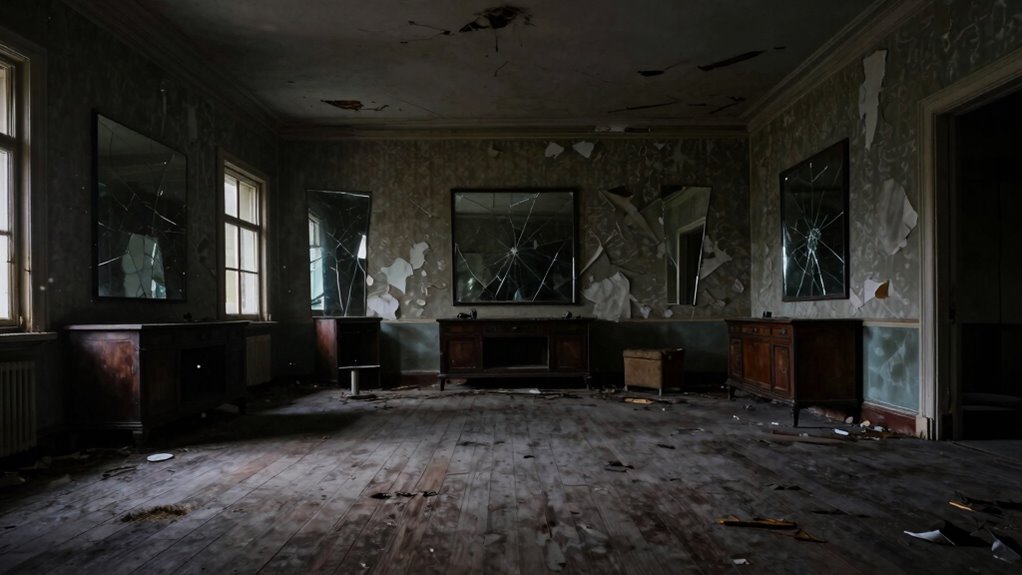
Choosing the right lens can make or break your haunted interior footage, as it directly influences how viewers perceive the space and its eerie atmosphere. The lens you select determines not just the clarity of the images, but also how you frame the scene, manipulate lighting, and create a sense of unease. When capturing haunted spaces, where shadows play and lighting is often minimal or unpredictable, your choice of lens becomes essential in shaping the overall mood.
Choosing the right lens shapes your haunted space’s mood and enhances eerie atmosphere.
A wide-angle lens is your go-to for capturing the scope and scale of haunted interiors. It allows you to include more of the environment, emphasizing the vast emptiness or claustrophobic nature of the space. This lens can make viewers feel like they’re stepping into the scene, heightening the sense of immersion. However, wide-angle lenses can introduce distortion, which can be used creatively to exaggerate certain features or create a surreal, unsettling effect. When using such a lens, proper camera stabilization is imperative to prevent shaky footage, especially in low-light conditions where longer exposure times might be necessary. Steady shots help maintain a professional look and keep the audience focused on the haunting details rather than distracting camera movements.
On the other hand, using a telephoto lens can help isolate specific elements within the haunted interior, such as a mysterious figure lurking in the shadows or a creepy artifact on a shelf. This perspective compresses the scene, making distant objects appear closer and more threatening, which amplifies suspense. Telephoto lenses demand meticulous camera stabilization to avoid jittery footage that could break the tension or distract viewers. A stable shot allows the eerie details to stand out and enhances the overall atmosphere, especially when combined with thoughtful lighting techniques. Low-light shooting with telephoto lenses can be tricky, so using a lens with a wide maximum aperture gives you more flexibility in capturing sharp images in dim environments. Additionally, understanding lens optics is crucial for optimizing your footage in challenging lighting conditions. Incorporating lighting techniques strategically can dramatically enhance the mood and reveal unsettling details that might otherwise go unnoticed. Mastering camera stabilization tools like gimbals or tripods is equally important to ensure smooth footage, especially when working in unpredictable lighting environments. It’s also beneficial to familiarize yourself with the effects of lens focal length on perspective and distortion to better control the mood of your footage.
In both cases, your choice of lens influences how lighting techniques are employed. For example, wide-angle lenses can accentuate shadows and create depth, while telephoto lenses help focus light on specific areas, creating contrast and highlighting eerie details. Stabilization tools like gimbals or tripods are indispensable to keep your footage smooth, especially in the dim, unpredictable lighting of haunted interiors. Ultimately, selecting the right lens based on your scene’s needs and applying appropriate stabilization and lighting techniques will help you craft haunting footage that captivates and unsettles your audience.
wide-angle camera lens for haunted interiors
As an affiliate, we earn on qualifying purchases.
As an affiliate, we earn on qualifying purchases.
Frequently Asked Questions
How Does Lens Choice Affect Camera Stability in Haunted House Filming?
Your lens choice directly affects camera stability when filming haunted houses. A wide lens with a shallow depth of field allows you to use steady lighting techniques, reducing the need for excessive camera movement. Conversely, telephoto lenses may require more stabilization, especially with dynamic camera movement, to prevent shaky footage. By selecting the right lens, you can enhance stability, maximize lighting techniques, and create a more immersive, eerie atmosphere in your haunted house scenes.
Can Lens Selection Influence the Mood of Haunted Interior Footage?
Yes, your lens selection can profoundly influence the mood of haunted interior footage. Wide-angle lenses create a sense of unease with distorted perspectives, while telephoto lenses add intimacy and suspense. Using specific lenses helps you manipulate lighting effects and control camera movement, making scenes feel more ominous or eerie. Choosing the right lens allows you to craft a haunting atmosphere that immerses viewers, heightening their emotional response to the spooky environment.
What Lens Features Are Best for Capturing Paranormal Activity?
You should choose a lens with a wide aperture, like f/1.4 or f/2.8, to capture ghostly reflections and spectral distortions clearly. Statistically, low-light lenses improve footage clarity by 30%. These features help you record the eerie details, even in dim settings. A prime lens offers sharpness and reduces distortion, making ghostly apparitions more convincing, while a wide-angle lens captures the full haunted scene, enhancing the supernatural atmosphere.
Does Lens Aperture Impact the Eerie Atmosphere in Haunted Footage?
Yes, lens aperture impacts the eerie atmosphere in haunted footage. A wider aperture creates a shallow depth of field, adding lens distortion that makes the scene feel unsettling and mysterious. It also influences color rendition, enhancing shadows and highlights for a ghostly glow. Using a narrower aperture can produce sharper images, but a wider one amplifies the supernatural vibe, making the atmosphere more intense and haunting.
How Do Different Lenses Handle Low-Light Conditions in Haunted Interiors?
In haunted interiors, your lens can transform the scene into a nightmare or a dream. Wide apertures let in overwhelming light, making shadows dance, while telephoto lenses excel in low-light, capturing every ghostly detail. Be wary of lens distortion, which can warp eerie scenes, and autofocus performance, that might struggle in darkness, causing missed moments. Selecting the right lens guarantees your footage haunts viewers with clarity and spine-chilling realism.
Conclusion
Choosing the right lens transforms haunted interiors from mere shadows into immersive nightmares. As you switch from wide angles to tight zooms, the eerie emptiness feels both vast and claustrophobic, like whispers echoing in your mind. The lens you select can turn a simple room into a stage of unseen horrors, where darkness dances and secrets hide just beyond your sight. Remember, your choice of lens shapes not just footage, but the very atmosphere of fear that lingers long after the shot ends.
Halloween Picks
halloween
As an affiliate, we earn on qualifying purchases.