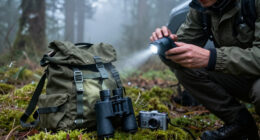

To master long-form vigil methods, start with thorough planning by identifying key areas and setting goals. Use surveillance tools like cameras and sensors strategically, focusing on entrances, exits, and blind spots. Develop sharp observation skills by practicing patience and noting behavioral patterns. Combine technology with active oversight, documenting irregular activity systematically. Stay disciplined and respect privacy laws. If you keep exploring, you’ll uncover more techniques to enhance your vigilance and effectiveness in protecting your space.
Key Takeaways
- Plan your surveillance by selecting strategic locations and determining the best tools for monitoring areas effectively.
- Deploy a combination of technological equipment and human observation to ensure comprehensive coverage.
- Maintain alertness, patience, and discipline during extended monitoring periods to detect suspicious activities.
- Record all observations systematically, noting irregular behaviors or potential threats for future analysis.
- Regularly review and update surveillance strategies, ensuring ethical practices and compliance with privacy laws.

Have you ever wondered how effective vigil methods can be in monitoring and safeguarding people or places? When it comes to maintaining security, understanding surveillance techniques and observation strategies is vital. Vigil methods rely heavily on these tools to gather intelligence discreetly and efficiently. By mastering them, you can detect threats early, respond appropriately, and prevent potential harm. The first step is to familiarize yourself with various surveillance techniques, which include both technological and traditional approaches. Video cameras, audio recorders, and infrared sensors are common tools that allow you to monitor large areas continuously. However, technology alone isn’t enough; observation strategies are equally important. These involve developing keen attention to detail, understanding patterns of behavior, and recognizing suspicious activity. You want to stay alert and disciplined, maintaining focus over extended periods, while avoiding distractions that could cause you to miss critical cues.
Master surveillance techniques and observation strategies to enhance security and detect threats early.
To implement these methods effectively, you need a solid plan. Start by choosing strategic locations for your surveillance equipment, guaranteeing they cover key points like entrances, exits, and blind spots. Use observation strategies that emphasize patience and consistency. For example, maintain a steady, unobtrusive presence if conducting physical surveillance, or keep your eyes and ears open for unusual movements or sounds. Combining technological surveillance with active observation creates a layered security approach. This means not only relying on cameras but also supplementing them with human oversight, which can pick up nuances that machines might miss.
Stay aware of your surroundings at all times. Pay attention to details such as unfamiliar individuals lingering in certain areas or vehicles parked longer than usual. Your observation strategies should include regular checks and documentation, noting any irregular activity. This record-keeping can be invaluable if you need to report or analyze incidents later. Remember, effective surveillance isn’t just about watching; it’s about understanding what you see and recognizing potential threats before they escalate. It’s a continuous process that demands vigilance, patience, and adaptability.
Lastly, always respect privacy laws and ethical boundaries while performing your vigil. Using surveillance techniques and observation strategies responsibly ensures that your efforts are legitimate and effective. When done correctly, these methods help you maintain a secure environment, deterring potential intruders and providing peace of mind. Vigil methods are powerful tools, but their success hinges on your ability to plan carefully, stay alert, and interpret what you observe accurately. By honing these skills, you become a more effective guardian of the spaces and people you’re responsible for.
wireless security cameras for home
As an affiliate, we earn on qualifying purchases.
As an affiliate, we earn on qualifying purchases.
Frequently Asked Questions
How Long Should a Typical Vigil Last?
A typical vigil lasts anywhere from one to three hours, depending on the event timing and your goals. If you’re observing a specific moment or waiting for an event, plan your vigil accordingly, ensuring you stay alert and comfortable. Longer vigils can be split into shorter shifts if needed, but most people find that a two-hour duration strikes a good balance for staying attentive without fatigue.
What Safety Precautions Are Recommended During Long Vigils?
During long vigils, you should prioritize safety by using appropriate safety gear like sturdy footwear and weather-appropriate clothing. Incorporate meditation techniques to stay calm and alert, helping prevent fatigue or disorientation. Take regular breaks, stay hydrated, and keep a cellphone handy in case of emergencies. Ensuring your environment is secure and informing others of your plans also enhances safety, allowing you to focus on your vigil with confidence.
Can Vigil Methods Vary by Event or Location?
Vigil methods can indeed vary by event or location, like a chameleon changing colors. You should consider community engagement and cultural sensitivity to guarantee respect and inclusivity. For example, a vigil in a religious community might incorporate specific rituals, while a public memorial in an urban area could focus on accessibility. Adapting your approach helps foster understanding and unity, making your vigil more meaningful and respectful for all participants.
How Do You Maintain Focus During Extended Vigil Periods?
To stay focused during extended vigil periods, you should practice mindfulness techniques like deep breathing and grounding exercises to keep your mind alert. Additionally, follow hydration strategies by drinking water regularly to prevent fatigue and maintain concentration. Break your vigil into manageable intervals, and avoid distractions. Staying present and well-hydrated helps you remain attentive and effective throughout the long hours.
Are There Legal Considerations for Conducting Vigils?
Think of a vigil like planting a garden—you need legal compliance to avoid weeds. You should check permit requirements, as failing to do so can lead to fines or shutdowns. Always research local laws, obtain necessary permissions, and respect noise and gathering limits. Staying informed and following regulations guarantees your vigil remains peaceful and lawful, helping your message grow strong without legal trouble.
Conclusion
Now that you know the step-by-step vigil methods, you’re ready to stand watch with confidence. Remember, a well-prepared vigil is like a beacon in the night, guiding others and providing reassurance. Stay attentive, follow each step closely, and don’t underestimate the power of your presence. With these techniques in your toolkit, you’ll be able to hold vigil effectively—showing that even in darkness, a steady light can lead the way.