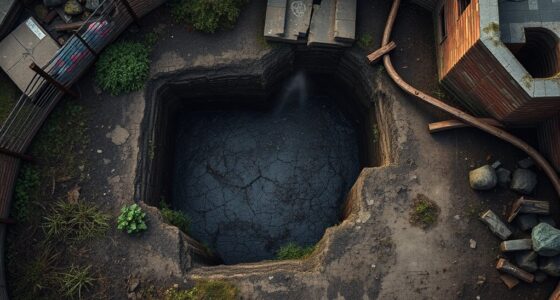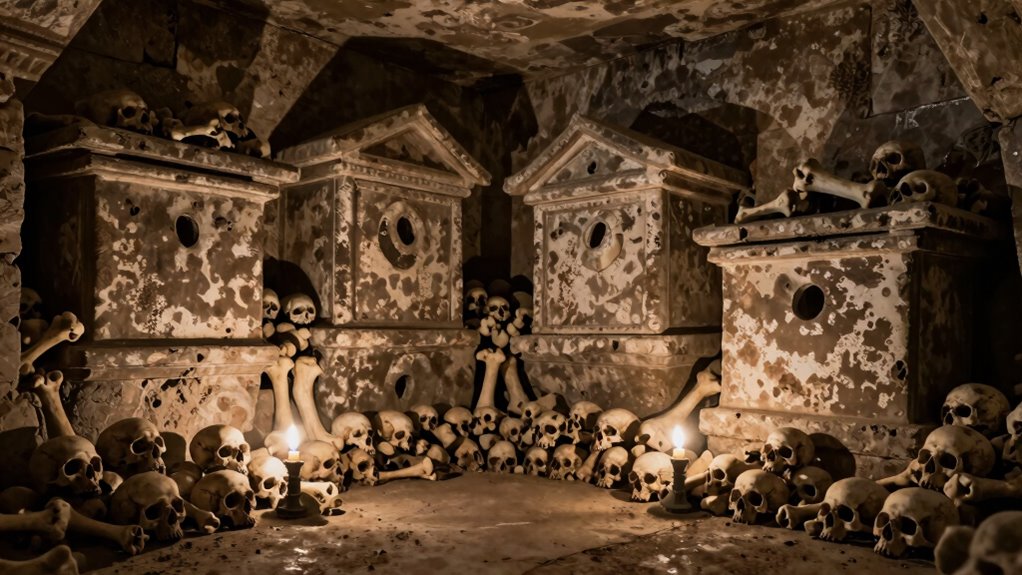

Charnel houses reveal how societies view mortality through their architecture, rituals, and symbols. They reflect cultural attitudes towards death, showing respect, acceptance, and hopes for an afterlife. These structures highlight beliefs about spiritual transformation and societal values. By studying their design and ceremonies, you can see how communities confront mortality and maintain connections with the deceased. Keep exploring to understand more about how these sites embody humanity’s universal struggle with life and death.
Key Takeaways
- Charnel houses reflect societal attitudes toward death and mortality through their architectural symbolism and ritual practices.
- They demonstrate cultural approaches to honoring the dead and processing grief within specific societies.
- The design elements reveal beliefs about the afterlife, spiritual transformation, and cosmological views.
- Evolving architectural features indicate shifts in cultural and spiritual perspectives on mortality over time.
- Rituals and offerings within charnel houses emphasize reverence, remembrance, and societal cohesion related to death.
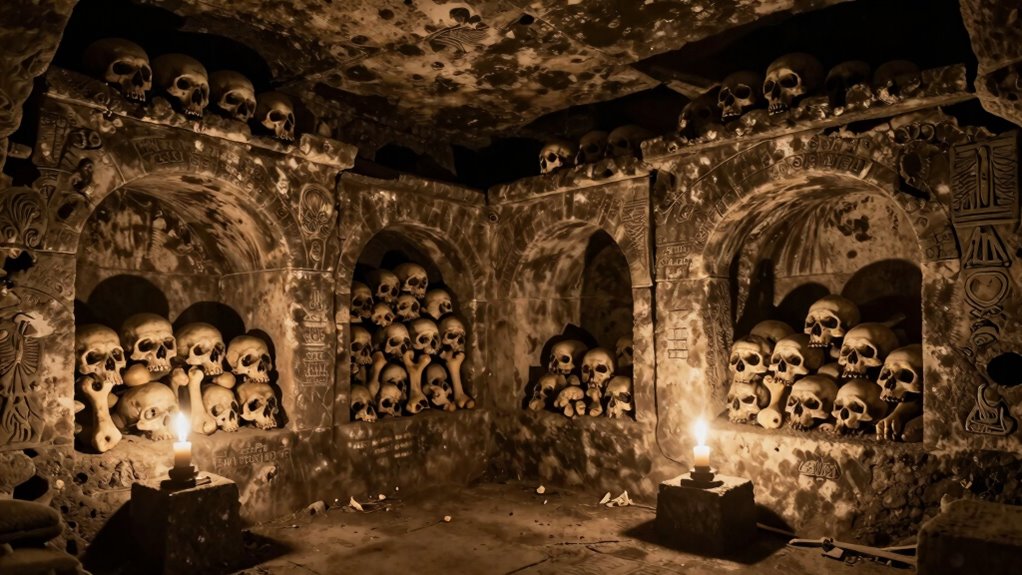
Have you ever wondered what the silent structures housing human remains reveal about our relationship with mortality? Charnel houses, often overlooked, serve as quiet evidence of how different cultures confront death. These structures aren’t just repositories; they embody profound cultural rituals and architectural symbolism that reflect society’s attitudes toward mortality. When you examine a charnel house, you’re peering into a community’s way of processing grief, remembrance, and the inevitable cycle of life and death. Additionally, the cultural rituals associated with these spaces often incorporate specific ceremonies and offerings that reinforce social cohesion and collective memory. Throughout history, various cultures have designed these spaces with deliberate intention, infusing them with meaning beyond mere storage. Cultural rituals play a vital role in shaping their purpose. For some societies, charnel houses are sacred sites where the dead are honored and prepared for the afterlife through specific ceremonies. You might notice offerings, inscriptions, or ritual objects that highlight the importance of respecting the dead and maintaining spiritual harmony. These rituals often serve to comfort the living, creating a sense of continuity and connection with ancestors. They also enforce societal values, emphasizing reverence, remembrance, and the acceptance of mortality as an integral part of life. Architectural symbolism within these structures further underscores their significance. The design and layout often mirror beliefs about death, the afterlife, and spiritual transformation. For example, some charnel houses feature dark, enclosed spaces that symbolize the mystery of death, while others incorporate light-filled chambers to represent hope, resurrection, or enlightenment. The materials used—stone, wood, or clay—are carefully chosen to convey permanence or transience, depending on cultural priorities. You might also observe specific orientations, such as aligning entrances or altars with celestial bodies, indicating cosmological beliefs about the universe and humanity’s place within it. Studying these features reveals how mortality is not only a biological reality but also a cultural and spiritual concept that societies interpret through architecture and ritual. Recognizing the architectural symbolism in these structures helps us appreciate how different communities confront the universal truth of death. Moreover, examining the architectural choices provides insight into the evolving attitudes toward death across different historical periods.

Custom Miniature House Replica – Medium Version
Handmade custom miniature replica created from customer photos
As an affiliate, we earn on qualifying purchases.
As an affiliate, we earn on qualifying purchases.
Frequently Asked Questions
How Do Charnel Houses Differ Across Various Cultures?
You’ll notice that charnel houses differ across cultures through their unique cultural symbolism and ritual practices. In some societies, they serve as sacred spaces honoring ancestors, while in others, they emphasize purification or remembrance. These differences reflect varied beliefs about death, afterlife, and the importance of honoring the dead. By exploring these practices, you gain insight into how different cultures perceive mortality and incorporate it into their spiritual and social lives.
What Materials Are Typically Used in Constructing Charnel Houses?
They often use durable materials like stone, brick, or concrete, because “what’s built to last, lasts.” These materials reflect architectural symbolism, emphasizing permanence and respect for the dead. The choice of durable materials guarantees the structure withstands time, honoring cultural beliefs about mortality. You’ll find that the strength of these materials mirrors the importance placed on remembrance and the enduring nature of the soul in many traditions.
Are There Any Modern Equivalents to Traditional Charnel Houses?
Modern equivalents to traditional charnel houses include ossuaries, mausoleums, and eco-friendly burial sites, where ancient rituals and burial symbolism still play a role. You might visit columbariums or natural burial grounds that honor cultural practices while embracing contemporary approaches. These spaces serve as modern reflections of ancient traditions, emphasizing respect for the dead, spiritual symbolism, and the enduring human connection with mortality.
How Do Charnel Houses Influence Local Burial Customs?
Charnel houses influence your local burial customs by shaping funeral rituals and emphasizing ritual symbolism. They serve as communal spaces where bones are respectfully stored, reinforcing shared traditions and spiritual beliefs. This fosters a collective understanding of mortality, guiding how you honor the deceased. The presence of a charnel house underscores the importance of ritual symbolism, making the burial process a meaningful act that reflects cultural values around death and remembrance.
What Psychological Effects Do Visitors Experience?
When you visit a charnel house, you often experience intense emotional responses. You might find it challenging to process grief, but it also encourages deep spiritual reflection. The somber atmosphere prompts you to confront mortality directly, fostering a sense of connection to the departed. These visits can evoke feelings of reverence, sorrow, or even tranquility as you contemplate life’s impermanence and your own mortality.

Shamanism and Tantra in the Himalayas
Used Book in Good Condition
As an affiliate, we earn on qualifying purchases.
As an affiliate, we earn on qualifying purchases.
Conclusion
So, now you see that charnel houses aren’t just dusty relics—they’re echoes of our shared mortality. They tell stories of death, respect, and the ways we cope with loss across time. By peering into these hidden spaces, you realize that death is the great equalizer, reminding us that life’s fleeting. And in the end, understanding these silent vaults helps you appreciate every moment—you never know when life’s last chapter might be written.
Architectural Symbolism
As an affiliate, we earn on qualifying purchases.
As an affiliate, we earn on qualifying purchases.
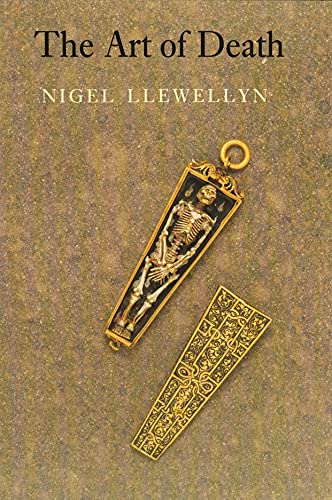
Art of Death: Visual Culture in the English Death Ritual c.1500 – c.1800
Orders are despatched from our UK warehouse next working day.
As an affiliate, we earn on qualifying purchases.
As an affiliate, we earn on qualifying purchases.