Many people once feared being buried alive because medical errors and lack of reliable death confirmation meant some could wake up trapped in coffins. Society’s widespread anxiety, fueled by stories and rumors, led to safety measures like alarm bells and breathing tubes. Deep-rooted fears about losing control and the fragile boundary between life and death kept this terror alive across generations. If you want to uncover more about this haunting fear, keep exploring the unexpected factors involved.
Key Takeaways
- Medical misdiagnoses and lack of reliable methods led to fears of premature burial.
- Deep-rooted anxiety about helplessness and losing control fueled the fear.
- Societal panic grew from reports of people waking in coffins, amplifying collective fears.
- Safety measures like alarm bells and breathing tubes were invented to prevent tragic burials.
- Cultural stories and media reinforced the frightening idea of being buried alive.
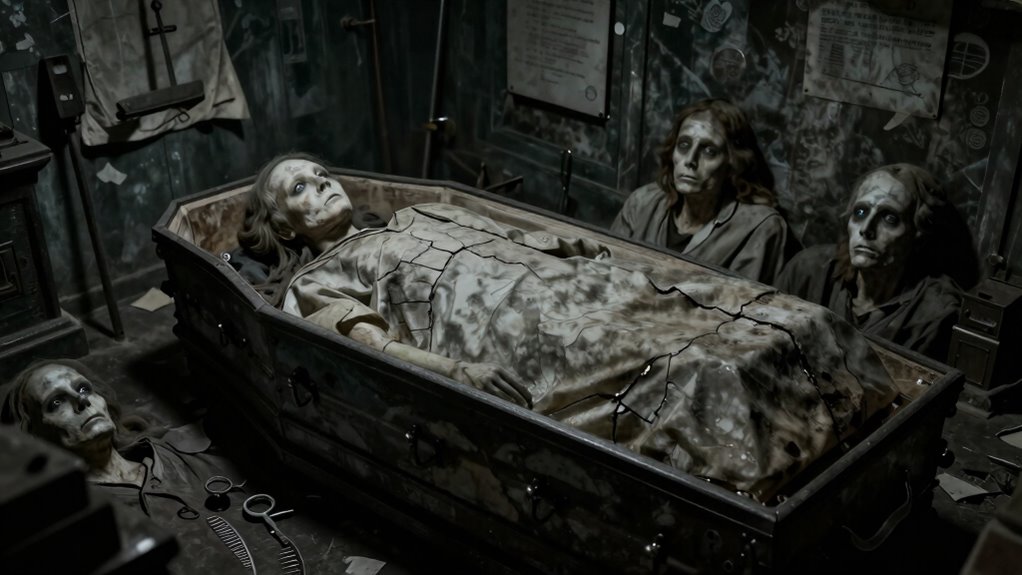
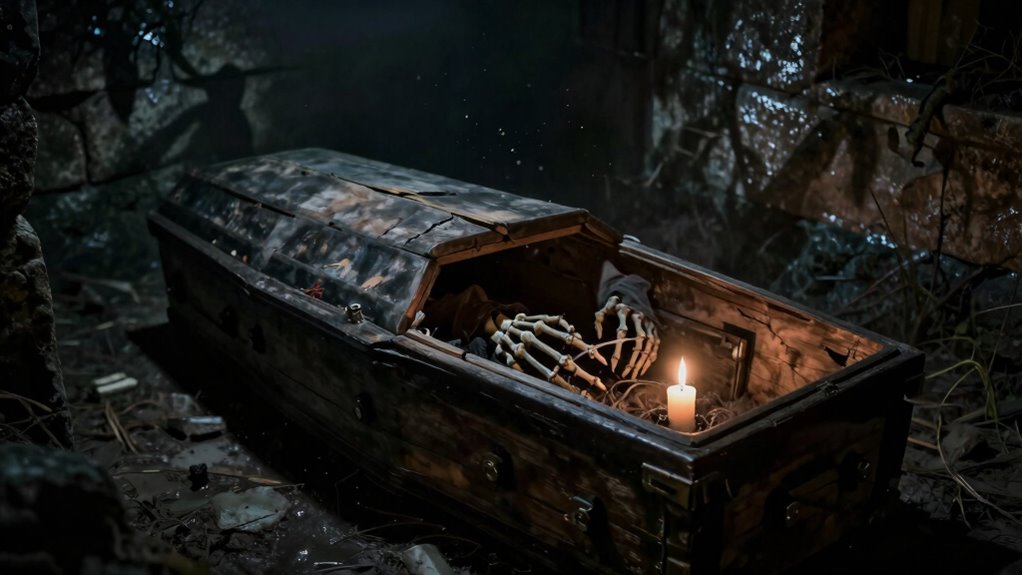
Have you ever wondered why being buried alive caused such widespread fear throughout history? It’s a question that taps into a deep-rooted anxiety about losing control and the terrifying possibility of waking up in a coffin, trapped and helpless. During different eras, this fear sparked a relentless sense of dread that sometimes led to panic and hysteria. People believed that the line between life and death could be far thinner than it seems, and that false alarms or mistaken diagnoses could have deadly consequences. This collective panic was fueled by stories, rumors, and genuine misunderstandings of medical science at the time, which often blurred the line between life and death.
Fear of being buried alive stemmed from medical errors, societal panic, and the fragile line between life and death.
Back then, medical misdiagnoses played a significant role in fueling the fear of premature burial. Doctors, lacking the advanced technology and diagnostic tools we have today, sometimes declared patients dead when they were actually in a coma, catatonic state, or suffering from other conditions that mimicked death. These errors weren’t rare, and when families received news of a loved one’s death, they often doubted the diagnosis, especially if unusual signs persisted after burial. Stories of people waking up in coffins started to circulate, intensifying the horror and suspicion surrounding premature burial. The fear wasn’t purely irrational; it was rooted in real medical errors that could, and sometimes did, lead to tragic consequences.
The widespread panic wasn’t just about individual cases; it became a collective societal fear. As reports of premature burials grew, so did the belief that the living could be mistakenly interred. This fear was compounded by the lack of reliable methods to confirm death, which made it easy for people to imagine that they might be buried alive, conscious and aware of their predicament. The anxiety was so intense that some communities even devised safety measures—like alarm bells in coffins or breathing tubes—to prevent being buried alive. These measures reflect the depth of the fear and how real it felt to people at the time. Additionally, the uncertainty surrounding the diagnostic process contributed significantly to the widespread anxiety, as it kept the fear alive across generations. The lack of accurate diagnostic tools further fueled doubts and heightened the collective dread.
In essence, the fear of being buried alive is rooted in a mix of genuine medical misdiagnoses and the societal panic they caused. When the science was unreliable, and the stakes were high, the terror of waking up underground became a widespread, almost primal fear. Even today, this fear lingers in stories, movies, and cultural memories, a haunting reminder of a time when the boundary between life and death seemed disturbingly fragile. Recognizing how medical errors contributed to this fear helps us understand why it was so pervasive and why safety innovations were considered essential.

Intrigue: The Great Spy Novels of Eric Ambler: Journey Into Fear; A Coffin for Dimitrios; Cause for Alarm; Background to Danger
As an affiliate, we earn on qualifying purchases.
As an affiliate, we earn on qualifying purchases.
Frequently Asked Questions
When Did the Fear of Being Buried Alive First Emerge?
You might be surprised to learn that the fear of being buried alive first emerged in the 18th and 19th centuries, fueled by superstitions surrounding death and the evolution of funeral rituals. During this time, stories of premature burials circulated widely, prompting innovations like safety coffins. This fear persisted because people believed they might wake up buried, leading to a lasting anxiety reflected in literature and medical practices.
Were There Any Specific Cultures Most Afraid of Premature Burial?
You’d be amazed at how many cultures, especially Victorian Europeans and ancient Egyptians, feared premature burial due to superstitions about death. These societies believed in elaborate cultural burial rites, but anxiety grew over mishandled deaths, leading to fears of being buried alive. Some even built safety coffins with bells or breathing tubes, showcasing their deep-seated fears rooted in superstitions about death and the unknown.
How Did Medical Advancements Reduce Fears of Being Buried Alive?
Medical advancements, like improved diagnostic tools and more accurate death determinations, eased your fears of being buried alive. These innovations aligned with changing funeral customs and spiritual beliefs, reassuring you that death was genuine. As doctors became better at confirming death, the risk of premature burial diminished. This progress helped shift your perspective, making burial a final, certain step rather than a terrifying possibility of waking up underground.
Are There Modern Cases of People Buried Alive?
Yes, there are rare modern cases of people buried alive, ironically fueled by lingering superstitions about death. Artistic representations often depict such fears, but advances in medical technology now prevent them. Still, some cases slip through, highlighting how old fears persist despite scientific progress. It’s a haunting reminder that, even today, the line between life and death can sometimes feel dangerously thin, stirring deep-seated anxieties.
What Protective Measures Were Historically Used Against Premature Burial?
Historically, people used various protective measures against premature burial, often linked to funeral rituals and embalming practices. You might have seen safety coffins equipped with bells or flags, allowing the buried person to signal if they regained consciousness. Embalming was sometimes done hastily or improperly, increasing fears. These precautions aimed to prevent the terrifying scenario of being buried alive, reflecting the deep anxiety surrounding death and the afterlife.

RPB Safety Breathing Tube Cover
FR Breathing tube cover for PAPR Units.
As an affiliate, we earn on qualifying purchases.
As an affiliate, we earn on qualifying purchases.
Conclusion
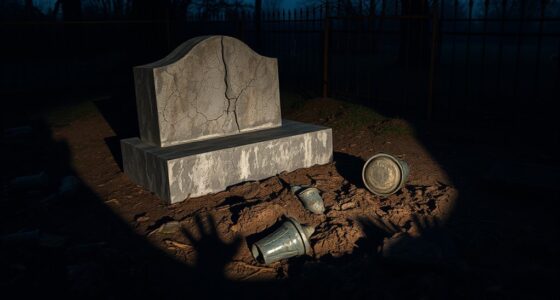
Imagine lying in darkness, heart pounding, senses overwhelmed by silence and shadows. Your breath grows shallow, the air thickening with fear. This haunting possibility of waking to find yourself buried alive fueled centuries of terror, turning cemeteries into ominous symbols of dread. The fear isn’t just of death, but of being trapped in an unending void, unable to escape. It’s this chilling image that kept people wary, forever haunted by the nightmare of waking beneath the earth’s cold, unyielding grip.
premature burial alarm
As an affiliate, we earn on qualifying purchases.
As an affiliate, we earn on qualifying purchases.

Weten Personal Safety Alarm Keychain – 130dB Siren, LED Light, Panic Pin – Compact Self-Defense Device and Emergency Whistle Alternative for Women, College, Travel, and Night Walk Protection (Purple)
YOUR INVISIBLE SHIELD, WHEREVER LIFE TAKES YOU – Feel safe and unstoppable with the Weten Personal Safety Alarm,…
As an affiliate, we earn on qualifying purchases.
As an affiliate, we earn on qualifying purchases.