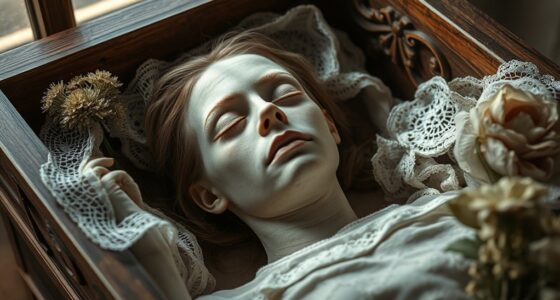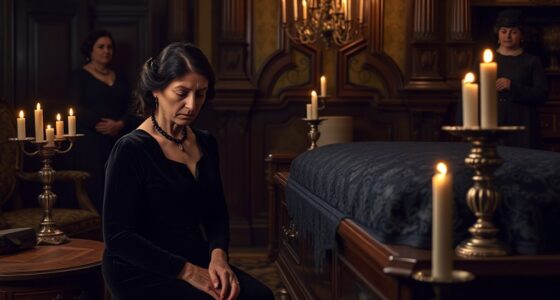
Haunted dolls have deep roots in various cultural traditions, where they are seen as vessels for spirits, magic, or supernatural influence. These beliefs stem from practices like voodoo and local superstitions that view dolls as tools for protection, curses, or spiritual communication. Many cultures associate damaged or unusual dolls with harboring spirits or acting as portals to the unseen world. To discover the rich origins and hidden meanings behind these haunted objects, keep exploring further.
Key Takeaways
- Haunted dolls originate from cultural practices involving spirits, magic, and superstitions, portraying dolls as vessels for supernatural forces.
- Voodoo traditions use dolls for healing, protection, or curses, influencing beliefs about their haunted or possessed nature.
- Folk superstitions associate damaged or tragic dolls with harboring spirits or acting as portals for supernatural entities.
- The lore of haunted dolls merges voodoo symbolism with local superstitions, emphasizing their role as carriers of spiritual power.
- Haunted dolls symbolize human attempts to understand and manipulate unseen forces, maintaining their cultural significance across generations.
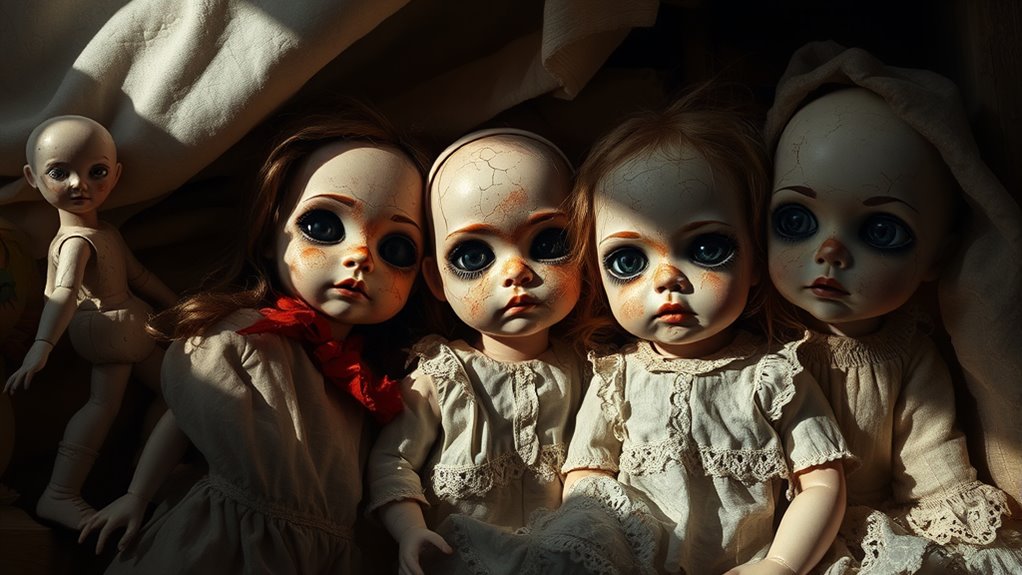
Have you ever wondered why haunted dolls hold such a chilling place in tradition? These eerie objects have fascinated and terrified people for centuries, often tied to beliefs about spirits, magic, and the supernatural. Their origins are deeply rooted in various cultural practices, including voodoo practices and folk superstitions, which shape how these dolls are perceived and used. In many cultures, dolls aren’t just toys—they’re seen as vessels that can hold spirits, serve as talismans, or act as conduits between the physical and spiritual worlds. This belief fuels the idea that haunted dolls can be haunted by restless spirits or malevolent entities, especially if they’re improperly handled or cursed.
Voodoo practices, particularly in the Caribbean and parts of Africa, have played a significant role in the lore surrounding haunted dolls. In voodoo, dolls are often used as tools for healing, protection, or curses. Practitioners believe that by creating a doll that resembles a person, they can influence that person’s life—either positively or negatively. Sometimes, these dolls are imbued with spiritual energy, and if misused or abandoned, they’re thought to become haunted or cursed. This idea feeds into folk superstitions, where dolls left behind or found unexpectedly are believed to be inhabited by spirits or used as instruments of witchcraft. Over time, stories of haunted dolls emerged, blending voodoo symbolism with local superstitions about spirits haunting objects. Additionally, the cultural significance of dolls as carriers of spiritual power has reinforced their association with supernatural phenomena across many societies.
Throughout history, many cultures have ascribed supernatural qualities to dolls, often seeing them as more than mere objects. Folk superstitions, prevalent across different societies, perpetuated the idea that dolls could harbor spirits, especially if they appeared damaged, unusual, or were associated with tragic events. These superstitions suggest that dolls placed in certain locations or created under specific conditions might become portals for spirits, making them appear haunted or possessed. This association with spirits and magic leads to the belief that haunted dolls can influence the living—bringing either protection or misfortune, depending on the circumstances surrounding them.
In essence, haunted dolls in tradition come from a complex web of voodoo practices and folk superstitions that view dolls as more than simple toys. They’re seen as symbols of spiritual power, tools of magic, or vessels for spirits. Whether used in rituals or feared as cursed objects, their haunting reputation persists because they embody the human desire to understand and manipulate unseen forces. This deep-rooted cultural symbolism keeps haunted dolls both fascinating and terrifying, ensuring their place in folklore and tradition for generations to come.
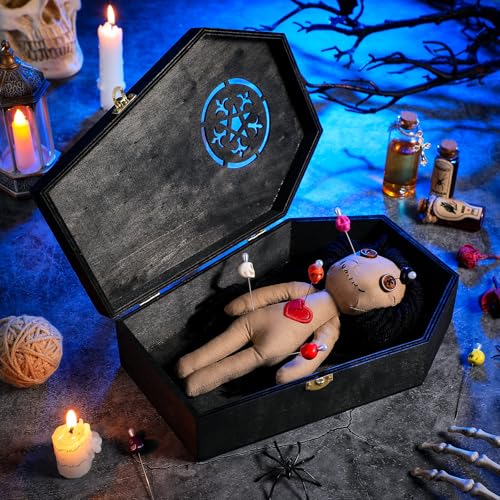
VercanMonth 12 Pcs Voodoo Figure Kit Include Creepy Figures 10 Pcs Skull Pins Wooden Coffin Box Haunted Figure Halloween Scary Ghost Voodoo Ornaments Fidget Stress Relieving(Female)
Halloween Pack: our pack includes 1 meticulously designed female voodoo doll, 1 sturdily crafted wooden coffin box, and…
As an affiliate, we earn on qualifying purchases.
As an affiliate, we earn on qualifying purchases.
Frequently Asked Questions
Are Haunted Dolls Dangerous to Own or Display?
Haunted dolls can be dangerous to own or display if you’re not cautious. Doll possession might lead to negative energy or unwanted experiences, so haunted doll safety is essential. Always cleanse and bless your doll regularly, and trust your instincts. Keep the doll in a safe, respectful place, and avoid aggressive interactions. If you sense distress or unusual activity, consider removing the doll to protect your well-being.
How Do Haunted Dolls Influence Local Folklore and Culture?
Haunted dolls deeply influence local folklore and culture by fueling urban legends that scare or intrigue communities. You might hear stories that give these dolls cultural symbolism, representing spirits or warnings from beyond. Their presence sparks storytelling, rituals, and traditions, shaping how locals perceive supernatural and cultural histories. These legends keep cultural identity alive, making haunted dolls more than just objects—they become symbols woven into the fabric of local beliefs.
Can Haunted Dolls Be Cured or Freed From Spirits?
Yes, you can attempt spirit removal or exorcism practices to free haunted dolls from spirits. Start by cleansing the doll with sage or holy water, then perform a focused exorcism ritual if you feel comfortable. Remember, the success depends on your belief and intent. If you’re unsure, consulting a spiritual expert or practitioner experienced in exorcisms can help guarantee safe and respectful spirit removal.
What Materials Are Traditionally Used to Make Haunted Dolls?
You typically find haunted dolls made from materials like porcelain, cloth, or wood, each chosen for their symbolism and ease of craftsmanship. Porcelain represents fragility and spiritual depth, while cloth allows for detailed craftsmanship techniques like sewing and embroidery. These materials are carefully selected to enhance the doll’s symbolism, making them more meaningful and potentially more connected to spirits, thereby intensifying their haunting presence.
Are There Specific Rituals Associated With Cursed or Haunted Dolls?
Imagine entering a shadowed room where whispers echo, signaling a ritual. You might perform ritualistic offerings, like candles or incense, to invoke protection or banish malevolent spirits. Protective charms, such as crosses or amulets, are often placed near haunted dolls to ward off negativity. These rituals create a sacred space, channeling intention and spiritual energy, ensuring the doll’s haunting remains controlled and respectful, rather than destructive.

Stitch-Witch 6.2" Handmade Peace & Harmony Puppet Voodoo Doll for Happy Couple/Marriage Communication/Protection/Halloween Decor (Light Golden Blonde Hair)
This white voodoo doll is a powerful tool that can bring peace and harmony into your life. It…
As an affiliate, we earn on qualifying purchases.
As an affiliate, we earn on qualifying purchases.
Conclusion
While haunted dolls might seem spooky or trivial, they remind you of our deep connection to tradition and the stories we cherish. Don’t dismiss them as mere superstition; instead, see them as symbols of cultural memory and the human desire to honor spirits. Embracing these traditions can deepen your understanding of history and beliefs, showing that even in fear, there’s a meaningful way to connect with the past and find respect in the unknown.

A Cursed Collection of Haunted Dolls: From Real Life to Literature and Movies
As an affiliate, we earn on qualifying purchases.
As an affiliate, we earn on qualifying purchases.

Spirit Lucky Doll (7 in) with 7 Movable Joints, Fashion Top, Treats, Brush & Spirit Horse (8 in) with Soft Mane & Tail, Great Gift for Ages 3 Years Old & Up
Be a part of the friendship, bravery and adventure with DreamWorks Spirit!
As an affiliate, we earn on qualifying purchases.
As an affiliate, we earn on qualifying purchases.