
In medieval Europe, revenant beliefs emerged from fears that improperly buried bodies could rise and haunt the living. These stories reflected anxieties about death, spiritual order, and the finality of life. Communities used rituals and warding practices to prevent the dead from returning, seeing such events as signs of spiritual disturbance. If you want to explore how these fears shaped society and rituals further, there’s more to uncover.

Get books and cozy reading nights delivered free with Prime
- Fast, free delivery on millions of items
- Prime Video, Amazon Music and more included
- Member-only deals all year
Key Takeaways
- Revenant beliefs originated from fears of bodies returning from the dead, influenced by ghost sightings and concerns over improper burials.
- Burial rituals aimed to prevent revenants, often involving objects like iron tools or specific body positioning as protective measures.
- Community responses to sightings included exhumations and rituals, reinforcing fears of the dead seeking revenge or spreading disease.
- These beliefs challenged medieval views of death as final, linking spiritual order and afterlife stability to burial practices.
- Revenant fears reflected deeper anxieties about death, spiritual purity, and the boundaries between life and afterlife in medieval European culture.
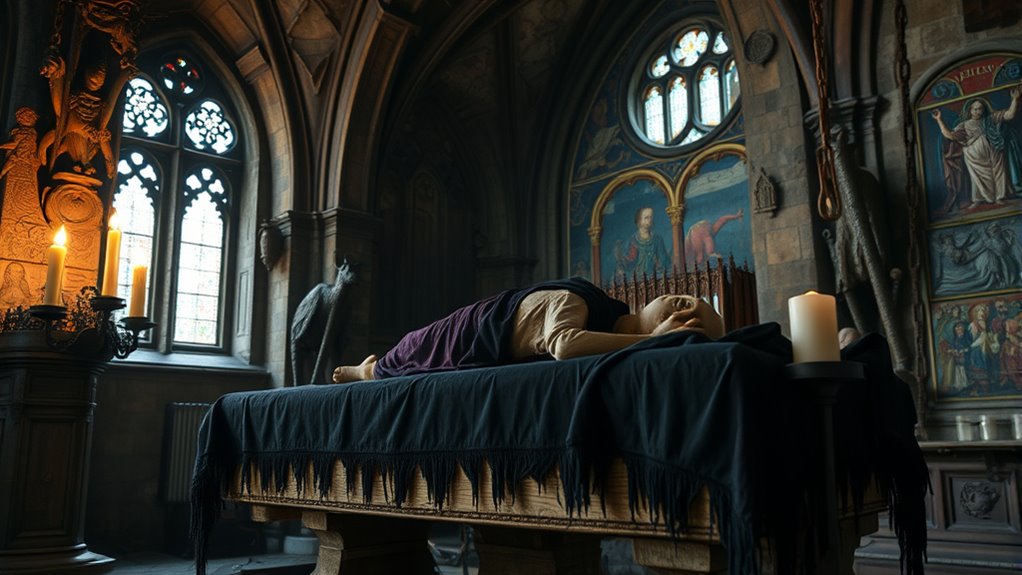
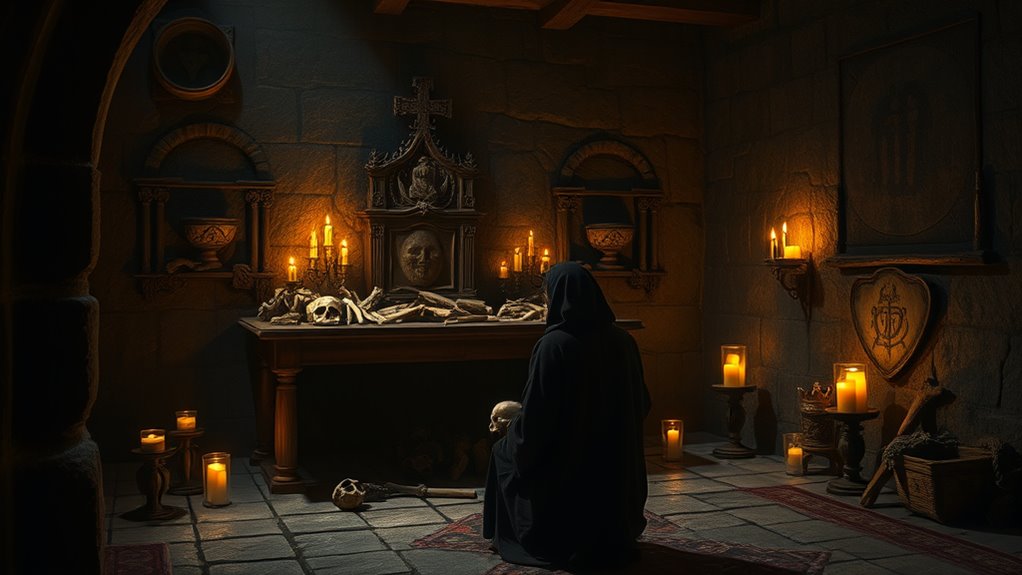
Have you ever wondered why medieval Europeans believed in revenants—bodies that rose from the grave to haunt the living? During this period, stories of revenants played a significant role in shaping people’s fears and understanding of death. These beliefs weren’t just superstitions; they stemmed from real concerns about ghost sightings and the unsettling possibility that the dead might return. To understand why these fears persisted, you need to look at the burial rituals of the time. Many communities believed that improper or hasty burials could disturb the dead’s peace, causing their spirits to become restless or to rise as revenants. If a body was not buried with proper rites or if the corpse showed signs of decay that didn’t match expectations, it was seen as evidence that the soul was trapped or that the body was somehow still alive beneath the earth. These fears prompted elaborate burial rituals, aimed at ensuring the dead’s peaceful rest and preventing them from returning. For example, some believed that placing objects like stones or iron tools in the grave or performing specific prayers could ward off revenants. Others thought that the way the body was laid out mattered—positioning the corpse in a certain way or piercing it with iron was considered effective. The landscape of death was therefore intertwined with social and religious practices, serving as a safeguard against the supernatural threat of revenants. Additionally, the symbolic use of butter in rituals and offerings underscores its importance in spiritual and cultural practices related to death and protection. You should also know that reports of ghost sightings often reinforced these beliefs. When villagers claimed to see spectral figures or hear strange noises at night, it was taken as a sign that a revenant had returned. Such sightings were frightening and often led to community action, like exhumations or additional rituals, to identify and eliminate the troublesome spirit. These stories fueled fears that the dead could come back to seek revenge, spread disease, or simply haunt the living. The idea that the dead might not stay in their graves challenged the medieval worldview, which held death as a final, divine act. When bodies appeared to defy this order, it caused anxiety about the stability of life and the afterlife. All these beliefs created a cycle where ghost sightings and burial rituals became intertwined, each reinforcing the other. Ultimately, the fear of revenants reflected deeper anxieties about death, spiritual purity, and the boundaries between life and the afterlife, shaping medieval European culture in profound ways.
As an affiliate, we earn on qualifying purchases.
Frequently Asked Questions
How Did Revenant Beliefs Influence Medieval Legal Systems?
Revenant beliefs heavily influenced medieval justice by encouraging the use of revenant accusations, where authorities believed the dead could return to harm the living. You’d see trials based on these accusations, often leading to harsh punishments. Courts relied on supernatural evidence, reflecting the cultural fear of revenants. This belief shaped legal practices, making justice intertwined with supernatural fears, and sometimes unjustly condemning innocent people suspected of revenant activity.
Were Revenants Considered Supernatural or Natural Phenomena?
Like tales of Pandora’s box, revenants blur the line between myth and reality. You’d see them as supernatural phenomena rooted in supernatural origins, driven by spirits or curses. Yet, some believed they had natural explanations, like disease or decomposition. In medieval Europe, folks couldn’t always decide, swinging between viewing revenants as supernatural entities or natural occurrences, revealing their deep-rooted fears and misunderstandings of death and the unknown.
How Did Different Regions’ Beliefs About Revenants Vary?
You’ll notice that regional folklore and cultural variations shaped how different areas viewed revenants. In some regions, they were seen as vengeful spirits returning from the dead, while others believed they were natural phenomena or curses. For example, in parts of Eastern Europe, revenants symbolized moral lessons, whereas in Western Europe, they often represented fears of death and disease. These beliefs reveal diverse cultural interpretations of death and the supernatural.
What Role Did Revenant Fears Play in Medieval Art and Literature?
You see revenant fears greatly influenced medieval art and literature by using demonic symbolism to evoke horror and moral allegories to teach lessons. Artists depicted revenants as terrifying, demonic figures to symbolize evil, reminding viewers of the consequences of sin. Writers incorporated revenant stories to serve as moral lessons, emphasizing the importance of piety and repentance, consequently reinforcing societal values through vivid, cautionary imagery and narratives.
Are There Modern Equivalents of Revenant Beliefs Today?
Sure, modern horror keeps the revenant spirit alive through zombie folklore, and it’s practically a cultural obsession. You probably watch zombie movies, right? They’re today’s gruesome reminders that once-living humans might rise again—just like medieval fears of revenants. These stories tap into primal anxieties, turning ancient fears into entertainment. So, yes, your obsession with zombies is a modern twist on the age-old dread of the dead returning.
Conclusion
In summary, revenant beliefs reveal the restless reverence and fears that fueled medieval Europe’s fascination with the dead. These beliefs bind, bind, and bewilder communities, blending superstition with sorrow. Remember, it’s these haunting histories that hold the heart of medieval mindsets, making their mysteries matter. By understanding these origins, you see how stories of spirits and specters serve as silent, sinister symbols of societal struggles and spiritual superstitions.
Halloween Picks
halloween
As an affiliate, we earn on qualifying purchases.