
Vampire panics in New England originate from medieval folklore and heightened fears during outbreaks of mysterious illnesses like tuberculosis. Communities, lacking scientific understanding, believed these illnesses were caused by undead creatures draining life from the living. As a result, they exhumed bodies and destroyed graves based on superstitions. To understand how these fears shaped history and society, explore how old beliefs and epidemics fueled these extraordinary acts and community reactions.
Key Takeaways
- Vampire panics in New England originated from medieval folklore, amplified by disease outbreaks and community fears during the 18th and 19th centuries.
- Mysterious deaths and epidemics like tuberculosis led communities to suspect vampirism as a cause.
- Exhumations and grave inspections were common responses, based on superstitions about signs of vampiric activity.
- These panics reflected cultural attempts to explain unexplained illnesses before scientific understanding of bacteria and viruses.
- The meaning of these fears lies in societal efforts to cope with death, disease, and mortality through supernatural explanations.
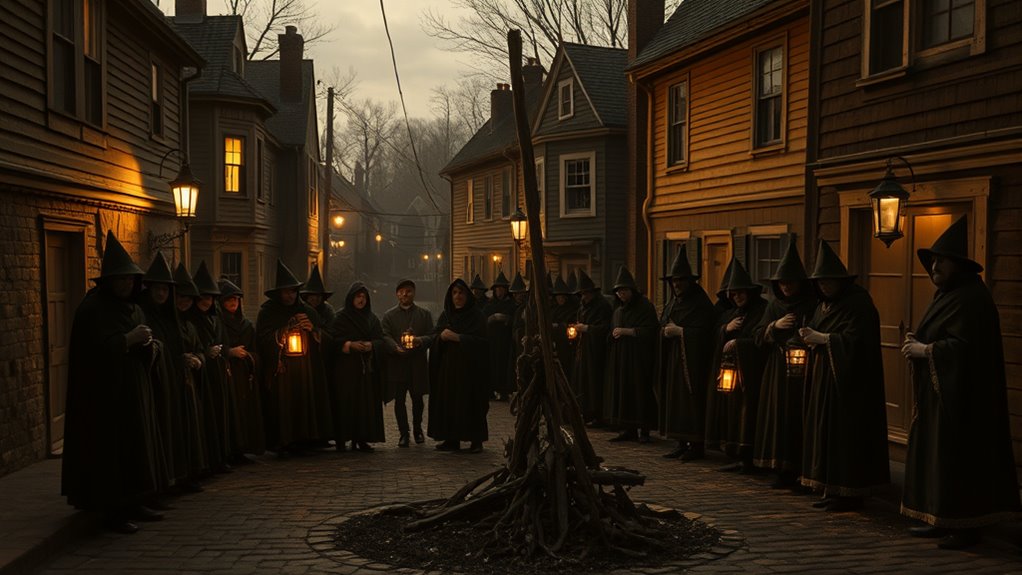
In the 19th century, fears of vampires swept through New England communities, fueled by a combination of superstition, illness, and a lack of scientific understanding. These panic-stricken episodes weren’t born overnight but stemmed from deep-rooted beliefs tied to medieval folklore. During the Middle Ages, tales of undead creatures draining life from the living became widespread, often used to explain mysterious deaths and illnesses. Over time, these stories morphed into a cultural framework that persisted well into the 19th century, especially among rural populations unfamiliar with modern medicine or scientific explanations for disease. When contagious diseases like tuberculosis and influenza ravaged communities during the 19th century epidemics, people desperately searched for causes and cures. Without understanding bacterial infections or viruses, they turned to supernatural explanations, and vampire legends suddenly found fertile ground.
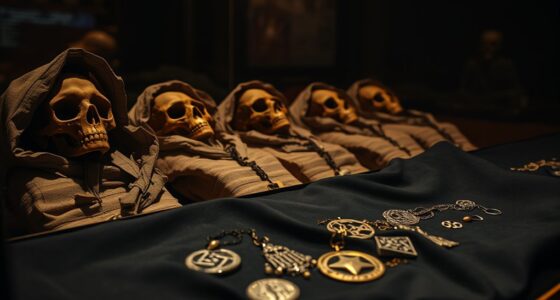
As epidemics spread, families and neighbors saw loved ones die unexpectedly and began to suspect that some malevolent force was at work. In many cases, they believed that the deceased were not truly dead, but vampires in disguise, returning from the grave to feed on the living. These fears prompted communities to take drastic measures—exhuming bodies, searching for signs of vampirism, and sometimes even destroying graves. They looked for telltale signs like fresh blood in the mouth, bloated corpses, or unusual decomposition, all of which reflected old superstitions rooted in medieval folklore. The idea was that these signs confirmed the person was a vampire, responsible for spreading disease and death. This fear was amplified by the lack of scientific tools and knowledge, forcing people to rely on superstition and folklore to make sense of their suffering. Additionally, the absence of scientific understanding often led to the perpetuation of these myths, as communities lacked access to accurate medical explanations.
vampire folklore history book
As an affiliate, we earn on qualifying purchases.
As an affiliate, we earn on qualifying purchases.
Frequently Asked Questions
Were There Any Real Vampire Sightings During the Panics?
During the panics, there were no actual vampire sightings, but superstitious beliefs and folklore legends fueled fears. People genuinely believed that reanimated corpses were causing illnesses and death, leading them to dig up graves and stake bodies. These actions stemmed from deep-rooted superstitions rather than real sightings. So, while no vampires were seen, the widespread superstitions made it seem like they were lurking among the living.
How Did Local Communities Respond to Alleged Vampire Victims?
You’d be stunned at how communities responded—they often held community mourning rituals, believing they could help the victims’ spirits find peace. When faced with alleged vampire victims, people reinforced folklore by exhuming bodies, sometimes staking or burning them, to stop the supposed evil. These actions reflect a desperate attempt to protect loved ones and reinforce local folklore, turning fear into collective effort to rid their towns of supernatural threats.
Did Vampire Panics Occur Outside New England?
Yes, vampire panics did occur outside New England, often influenced by local folk beliefs and cultural factors. You can see similar fears in parts of Eastern Europe, where folklore shaped community responses to suspected vampires. These panics reflect how cultural influences and folk traditions fueled fears of the undead, leading communities to take drastic measures to protect themselves. Such reactions showcase the widespread impact of folk beliefs on societal behavior beyond New England.
What Role Did Medicine and Science Play in These Fears?
Medical explanations and scientific skepticism played a pivotal role in these fears by challenging supernatural beliefs. You’d see people turning to doctors who offered natural causes like disease or consumption, which fueled scientific skepticism. This shift encouraged a more rational understanding, reducing panic over vampires. However, some still clung to supernatural ideas, showing how medicine and science influenced but didn’t entirely eliminate the fears surrounding these paranormal threats.
Are There Modern Equivalents to Historical Vampire Panics?
Yes, modern equivalents exist where superstitious beliefs and cultural influences fuel fears, such as concerns over vaccinations, conspiracy theories, or supernatural phenomena. You might notice how social media spreads misinformation quickly, amplifying fears rooted in superstition rather than science. These contemporary panics show that cultural influences still shape public perceptions, just like historical vampire panics, highlighting how deeply ingrained superstitions remain in society today.
19th century vampire exhumation kit
As an affiliate, we earn on qualifying purchases.
As an affiliate, we earn on qualifying purchases.
Conclusion
As you reflect on the vampire panics, you realize they’re like shadows cast by fear itself—illusive but powerful. These fears reveal how communities grappled with death, disease, and the unknown, turning them into legends that still echo today. Understanding these panics is like peering into a mirror of human anxiety, showing that even in the darkest times, our fears can take on a life of their own—reminding you that sometimes, monsters are born from our own shadows.
medieval vampire legend replica
As an affiliate, we earn on qualifying purchases.
As an affiliate, we earn on qualifying purchases.