
The idea that grave dirt always carries curses is a myth rooted in folklore and cultural beliefs, not science. Many cultures see grave dirt as sacred or dangerous, often believing it can bring misfortune if disturbed. However, there’s no proof linking grave dirt to supernatural curses. These stories serve to encourage respect and proper burial practices rather than reflect actual supernatural risks. Continue exploring to uncover the truth behind these long-standing beliefs and their cultural significance.
Key Takeaways
- Cultural beliefs link grave dirt to curses, but there is no scientific evidence supporting supernatural harm.
- Superstitions about grave dirt are rooted in tradition and symbolism, not factual curses.
- Different cultures view grave dirt as sacred or dangerous, shaping their respectful or cautious handling.
- Folklore often portrays grave dirt as cursed, serving social norms rather than reflecting reality.
- Respect for graves varies culturally; fears of curses are symbolic, not universally proven or scientifically validated.
Many people believe that grave dirt curses anyone who disturbs it, but the truth is far more nuanced. Superstitions surrounding graves have persisted for centuries, often rooted in fear and cultural beliefs. These superstitions vary widely across different societies, shaping how people perceive and handle burial sites. In some cultures, disturbing a grave is considered an act that invites misfortune or spiritual retribution. For example, in certain Asian traditions, it’s believed that touching or moving grave dirt can disturb the spirits of the deceased, leading to bad luck or illness. Conversely, other cultures see grave sites as sacred spaces that must be respected but do not necessarily associate them with curses. Instead, they often emphasize rituals to honor the dead and ensure their peace in the afterlife.
Superstitions about grave dirt vary worldwide, often linked to cultural beliefs and rituals rather than actual curses.
Cultural differences in burial practices profoundly influence how people view grave dirt and its supposed power. In many Western traditions, graves are marked and maintained, but disturbing the soil is often seen as disrespectful rather than cursed. In some African cultures, graves are protected with elaborate rituals, and disturbing them without proper rites can offend ancestral spirits, though it doesn’t guarantee a curse. Meanwhile, Indigenous groups might have spiritual beliefs that regard graves as portals to the spiritual world, making any disturbance a matter of spiritual imbalance rather than a curse. These diverse practices highlight how beliefs about grave dirt and curses are deeply embedded in cultural histories, often shaped by local customs and spiritual outlooks.
Despite these differences, the idea that grave dirt is inherently cursed persists in popular folklore. Many interpret stories of curses as symbolic warnings about disrespecting the dead or breaking cultural taboos. However, from a scientific perspective, there’s no evidence to suggest that touching or moving grave dirt directly causes curses or supernatural harm. Instead, these beliefs serve social functions, reinforcing respect for ancestors and the importance of proper burial rites. Additionally, superstitions about grave dirt can sometimes be used to control or influence behavior based on cultural fears and taboos.
Understanding the cultural context helps demystify the superstitions. While some societies may see grave dirt as dangerous or cursed, others view it as a sacred relic that must be treated with reverence. Ultimately, the notion of curses linked to grave dirt is a mixture of historical fears, spiritual beliefs, and cultural practices. It’s essential to appreciate these differences and recognize that the fear of curses is more about social and spiritual symbolism than any actual supernatural force.

Ancestor Paths: Honoring our Ancestors and Guardian Spirits Through Prayers, Rituals, and Offerings (2nd Edition)
As an affiliate, we earn on qualifying purchases.
As an affiliate, we earn on qualifying purchases.
Frequently Asked Questions
Can Grave Dirt Be Used for Positive Spiritual Practices?
Yes, you can use grave dirt for positive spiritual practices. Many believe it aids in spiritual purification and enhances positive rituals. When handled with respect and intention, grave dirt can serve as a powerful tool for connecting with ancestors, clearing negative energy, or fostering spiritual growth. Just make certain you approach it with reverence, and remember that your mindset and purpose play vital roles in its effectiveness for positive practices.
Are There Cultures That Consider Grave Dirt to Be Harmless?
Think of grave dirt as a silent storyteller, revealing cultural perceptions rooted in burial traditions. In some cultures, they see it as harmless, a simple link to ancestors, not a curse waiting to unfold. These traditions honor the dead without fear, trusting that spiritual energy is sacred and benign. You’ll find that in many societies, burial customs embrace grave dirt as a respectful, harmless connection to those who came before.
How Do Scientists Explain the Supposed Curses From Grave Dirt?
Scientists explain the supposed curses from grave dirt as superstitious beliefs rather than actual phenomena. They point out that these fears often stem from cultural fears, psychological effects, and the power of suggestion. When you encounter stories of curses, it’s your mind playing tricks or influenced by societal narratives. Scientific explanations dismiss supernatural causes, emphasizing that any negative effects are due to psychological factors, not actual curses from grave dirt.
Is It Possible to Remove a Curse Caused by Grave Dirt?
Yes, you can often remove a curse caused by grave dirt through spiritual cleansing and ritual practices. To do this, you might seek help from a spiritual healer or perform cleansing rituals yourself, such as smudging or prayers. Remember, belief in the curse’s power influences its effectiveness. Focus on positive energy and mental clarity during curse removal, and trust that spiritual cleansing can help dispel negative influences.
Does the Age of the Grave Affect Its Supposed Curse Potency?
The grave’s age can influence its curse strength, much like a fading flame losing its heat over time. As the grave gets older, the curse’s potency might weaken, symbolizing the diminishing power of past fears. You might sense that newer graves harbor stronger curses, while ancient ones offer less impact. So, the age of the grave plays a role in how potent the supposed curse remains, with time gradually diluting its force.
ceremonial grave dirt containers
As an affiliate, we earn on qualifying purchases.
As an affiliate, we earn on qualifying purchases.
Conclusion
So, next time you hear that grave dirt always curses, remember it’s just a myth. Like a shadow that vanishes when you turn on the light, the fear around cursed dirt often disappears when you learn the truth. Not every patch of earth holds dark magic; sometimes, it’s just soil. Keep an open mind and don’t let myths bury your curiosity—truth can be much lighter than you think.
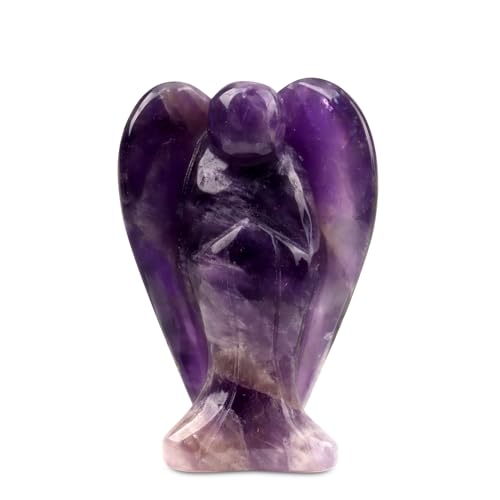
AOGSLONA Amethyst Crystal Angel Crystals Healing Stones Spiritual Healing and Protection Guardian Statue Pocket Gemstone Decor Polished Peace Angel Figurine Meditation Love Gift for Women Men
Handcrafted with care: Each Amethyst Crystal Angel is meticulously carved and polished by skilled artisans, ensuring quality and…
As an affiliate, we earn on qualifying purchases.
As an affiliate, we earn on qualifying purchases.

The Cemeteries of New Orleans: A Cultural History
As an affiliate, we earn on qualifying purchases.
As an affiliate, we earn on qualifying purchases.