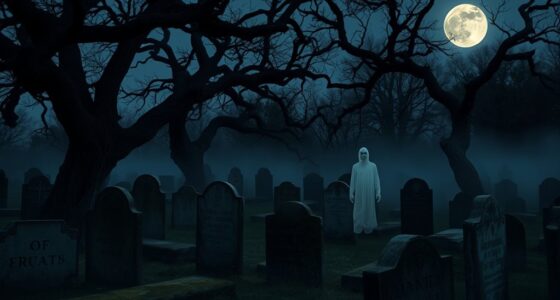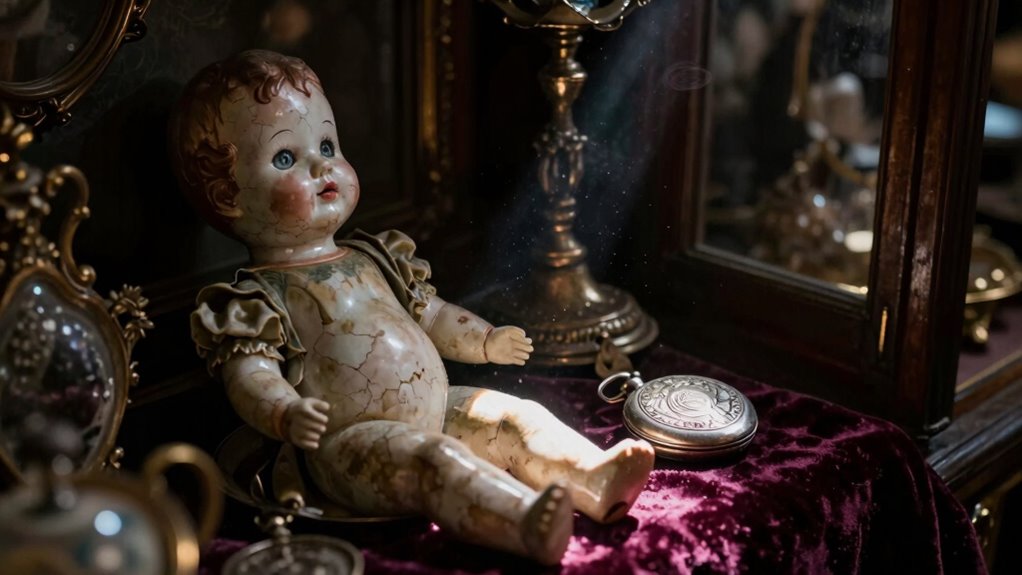

Haunted objects are often misunderstood and aren’t always dangerous because their true significance lies in cultural, historical, or symbolic meaning rather than supernatural forces. Many objects, like relics or artifacts, carry important stories and traditions that link communities and teach lessons. Recognizing this helps you see them as symbols of heritage, not sources of fear. If you keep exploring, you’ll discover how understanding their real context can change your perspective and spark curiosity.
Key Takeaways
- Many haunted objects hold cultural or historical significance, making them symbols of heritage rather than sources of harm.
- Supernatural stories often stem from myths or folklore, which can distort the true nature of these items.
- Understanding the context and history behind objects reduces fear and shifts perception toward respect and curiosity.
- Most haunted objects are not inherently dangerous; their reputations are often exaggerated or misunderstood.
- Appreciating their cultural value encourages a respectful, inquisitive attitude instead of fear.
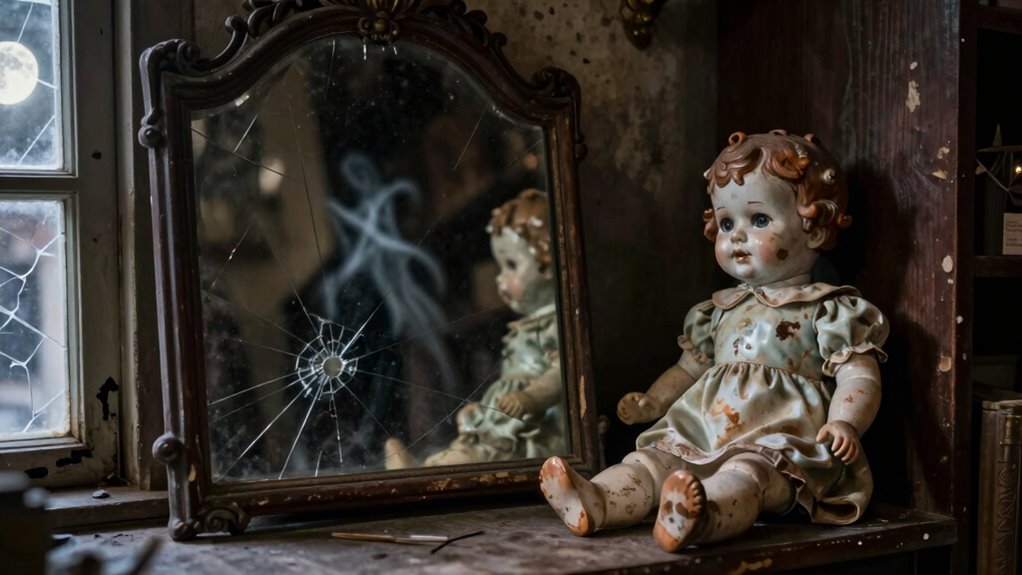
Many people assume that haunted objects are inherently dangerous and bring only harm, but this isn’t always the case. In fact, some objects carry a deep cultural significance that transforms them from mere curiosities into meaningful relics. These items, often categorized as historical artifacts, hold stories from the past and serve as tangible links to a bygone era. Instead of being sources of fear, they can become educational tools or symbols of heritage, reminding us of our collective history and traditions. When you encounter such objects, it’s important to understand their context rather than jump to conclusions about their supernatural properties. Recognizing their cultural significance plays a major role in how we perceive haunted objects and can help shift our perspective from fear to appreciation.
Cultural significance plays a major role in how we perceive haunted objects. Many artifacts are revered or regarded with respect because they embody the beliefs, customs, or memories of a community. For example, religious relics or items associated with historical figures are often treasured rather than feared. Their spiritual or cultural importance can provide a sense of connection and continuity, easing anxieties about their supposed hauntings. These objects may be believed to be haunted, but their true power lies in their ability to evoke reverence and reflection rather than fear. Recognizing their significance often shifts your perspective from alarm to appreciation, seeing them as part of a larger cultural narrative. Additionally, understanding the historical context of these objects can help demystify their stories and reduce unnecessary fears. Gaining insight into their origin can reveal that many stories are rooted in mythology or folklore, which often distort their true nature.
Cultural significance transforms haunted artifacts into symbols of reverence and reflection rather than sources of fear.
Historical artifacts, in particular, carry stories that go beyond superstition. They might be relics from a significant event or personal belongings of influential individuals. Such objects can serve as educational tools that deepen your understanding of history. When you learn about the context in which they were created or used, you realize that their “haunted” reputation may stem from myths or misinterpretation rather than actual danger. These artifacts often have a rich history that warrants preservation, not suspicion. By approaching them with curiosity and respect, you might discover that their value lies in their ability to teach and inspire, rather than threaten. Respectful handling and research can uncover detailed histories that dispel misconceptions and highlight their true significance.
Ultimately, haunted objects are not inherently dangerous; their significance varies based on the stories, beliefs, and histories attached to them. When you see an item labeled as haunted, try to look beyond the supernatural and consider its cultural and historical importance. Many of these objects are misunderstood or mischaracterized, and understanding their true context can transform your fear into admiration. Whether they serve as historical artifacts or cultural symbols, they offer a window into the past—one that invites curiosity rather than dread. Recognizing their true worth can change your entire perspective on what makes an object “haunted.” This shift in perception encourages a more respectful and inquisitive approach to these intriguing objects.
As an affiliate, we earn on qualifying purchases.
Frequently Asked Questions
Can Haunted Objects Be Safely Handled or Displayed?
Yes, you can safely handle or display haunted objects, especially if they’re not actively involved in supernatural interactions or cursed artifacts. Many haunted items are harmless if you approach them with respect and proper precautions. It’s essential to research the object’s history and seek expert advice if needed. Handling them carefully and setting boundaries can help prevent negative energy or unwanted influences, making their display safe.
Are There Specific Types of Objects More Likely to Be Haunted?
Certain objects, like historical artifacts and personal belongings, are more likely to be haunted because they carry strong emotional or historical energy. You might find that items with deep personal significance or long histories tend to attract spiritual attention. These objects often hold memories or energies that can invite hauntings. However, not all such objects are dangerous—many can be safely handled or displayed, especially if you approach them with respect and curiosity.
Do Haunted Objects Always Cause Physical Harm?
Haunted objects don’t always cause physical harm; in fact, many superstitious beliefs see them as benign or protective. Studies show only about 10% of haunted items are associated with negative effects, varying across cultural variations. You might feel uneasy, but most haunted objects simply hold emotional or historical significance rather than danger. It’s essential to differentiate between fear rooted in superstition and actual physical threats.
How Can One Identify if an Object Is Genuinely Haunted?
You can identify if an object is genuinely haunted by observing paranormal signs like sudden temperature drops, unexplained noises, or eerie sensations when nearby. Research its history thoroughly, noting any past traumatic events or unusual ownership. Trust your intuition; if the object consistently feels unsettling or emits strange energy, it might be haunted. Combining these signs with its background helps determine whether an object holds genuine paranormal significance.
Are There Proven Scientific Explanations for Haunted Objects?
Haunted objects are like puzzles waiting to be solved, with scientific explanations rooted in historical context and cultural beliefs. While some phenomena are attributed to supernatural forces, science often points to psychological factors, environmental influences, or misinterpretations. Researchers explore these aspects, showing that many so-called haunting effects can be explained through natural causes, emphasizing that not every spooky experience is truly paranormal.
Conclusion
You might worry that haunted objects are always harmful, but that’s not necessarily true. Sometimes, these objects can hold memories or serve as reminders of loved ones, offering comfort rather than fear. If you approach them with respect and understanding, you can avoid danger and even find peace. Don’t let fear blind you to the possibility that some haunted objects might just be silent guardians, waiting to share their stories without causing harm.