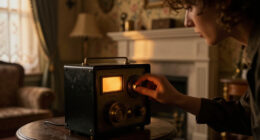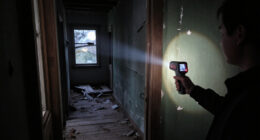
Paranormal photos often look more convincing than they really are because the techniques used—like poor lighting, camera tricks, or motion—create eerie effects that trick your eyes. Your mind tends to seek patterns and assign meaning to ambiguous images, especially influenced by cultural stories and emotional cues. Camera artifacts like lens flare or reflections can also mimic supernatural phenomena, making images seem more compelling. Keep exploring, and you’ll discover how perception and technology work together to influence what you believe.

Get books and reading essentials delivered free — and shop member deals
- Fast, free delivery on millions of items
- Access to Prime Big Deal Days deals on October 6–7
- Prime Video, Amazon Music and more included
Key Takeaways
- Low light and quick snapshot conditions create eerie effects that enhance the supernatural appearance of images.
- Camera artifacts like reflections and lens flare can mimic paranormal phenomena, misleading viewers.
- Visual illusions and deliberate manipulations amplify the perceived supernatural presence.
- Psychological biases lead viewers to interpret ambiguous images as evidence of the paranormal.
- Cultural narratives and emotional cues heighten belief, making images seem more convincing than they are.

Paranormal photos have long fascinated enthusiasts and skeptics alike, capturing moments that seem to defy explanation. When you look at these images, it’s easy to feel a sense of wonder or even fear, but it’s important to understand why they often appear more convincing than they truly are. Many of these photos are rooted in historical evidence that shows humans have long sought visual proof of the supernatural. From early ghost photographs to modern digital images, people have always wanted to capture something unexplainable. This historical context helps explain why so many paranormal photos seem compelling—our desire to believe in the extraordinary influences how we interpret them. Additionally, the photography techniques used in capturing these images play a significant role in shaping their perception. Many paranormal photos are taken under less-than-ideal conditions, such as low light or quick snapshots, which immediately invites suspicion. Yet, these conditions also open the door to various tricks and manipulations. For instance, double exposures, long exposures, or camera movements can create eerie shapes or ghostly figures. These techniques, deliberately or unintentionally, produce images that appear to show supernatural activity. When you see a vague figure or a strange light in a photo, it’s often the result of a simple photographic trick or a camera artifact rather than actual paranormal phenomena. Moreover, visual illusions can further influence how these images are perceived, often making them seem more convincing than they truly are. The power of perception and psychological bias cannot be underestimated, especially considering how cognitive biases influence our interpretation of ambiguous images. When you view a photo that hints at something paranormal, your mind tends to fill in gaps, making the image seem more convincing than it truly is. This tendency is amplified by the human tendency to seek patterns and explanations, even in ambiguous images. In fact, the cultural influence surrounding paranormal phenomena often shapes how viewers interpret these images, reinforcing their perceived authenticity. Lighting, shadows, and even digital enhancements can all contribute to a stronger emotional impact, leading you to believe in its authenticity. The way photos are presented—often with minimal explanation—further amplifies this effect, making you more likely to accept them at face value. In essence, the strength of many paranormal photos comes not from their genuine supernatural content but from a combination of historical storytelling, clever photography techniques, and human psychology. Understanding these factors helps you see beyond the surface and recognize that what looks like solid evidence might often be just a product of perception, technique, and the human desire to believe in the extraordinary.
low light paranormal photography camera
As an affiliate, we earn on qualifying purchases.
As an affiliate, we earn on qualifying purchases.
Frequently Asked Questions
Can Editing Software Create Convincing Paranormal Images?
Yes, editing software can create convincing paranormal images by adding ghostly apparitions or spectral shadows that seem real. You can manipulate lighting, add semi-transparent figures, or enhance eerie effects to make the scene more believable. With skillful editing, you can craft images that evoke ghostly apparitions or spectral shadows, making viewers question what’s real. Just remember, the more convincing your editing, the more compelling your paranormal photos will appear.
Why Do Some Photos Seem More Credible Than Others?
Credibility cues can convincingly cast shadows of certainty, but contextual biases and cultural influences often color perceptions. You might find some photos more believable because they align with your beliefs or societal stories, shaping your skepticism or acceptance. When images tap into familiar fears or folklore, your mind more readily accepts them as real, making these photos seem more credible despite lacking solid evidence. Recognizing these influences helps you critically evaluate paranormal images.
Are There Specific Camera Settings That Enhance Paranormal Appearance?
Yes, adjusting your camera sensor and exposure time can make paranormal photos appear more convincing. Increasing exposure time allows more light to hit the sensor, capturing faint or fleeting phenomena better. A low ISO setting reduces noise, enhancing clarity. Using a wide aperture can also help gather more light. These settings can create images that seem more mysterious or ghostly, but they also risk capturing false positives or artifacts.
How Do Lighting Conditions Affect Paranormal Photo Authenticity?
Lighting conditions greatly influence a paranormal photo’s perceived authenticity. You can enhance the eerie effect by emphasizing natural shadows, which create depth and mystery. Light distortion from uneven lighting or reflections can make objects appear otherworldly or ghostly, tricking the eye. Poor lighting or overexposure can also obscure details, making the image seem more mysterious. Pay attention to these factors to either confirm or challenge the photo’s paranormal credibility.
What Psychological Factors Influence Perception of Paranormal Images?
Imagine your mind as a foggy mirror, where cognitive biases and perceptual distortions blur reality. These psychological factors influence how you interpret paranormal images, making you more prone to see what you want or expect to see. Confirmation bias, for instance, leads you to favor images that align with your beliefs, while perceptual distortions can exaggerate features, making ordinary shadows seem like ghostly figures.
Conclusion
So, next time you’re captivated by that eerie photo, remember—what looks like undeniable proof might just be clever angles or lighting tricks. Paranormal images often appear more convincing than they really are, playing on your mind’s desire for the mysterious. Ironically, those ghostly figures and strange orbs that send shivers down your spine might just be illusions, proving that sometimes, the most convincing evidence is the one your eyes want to believe.
Fall Picks
fall essentials
As an affiliate, we earn on qualifying purchases.