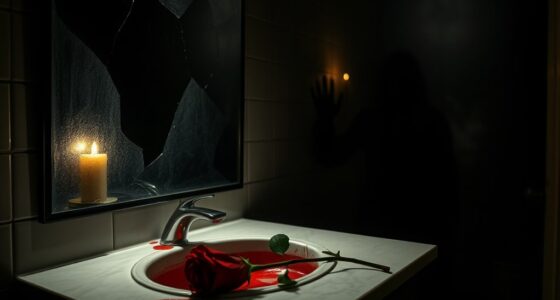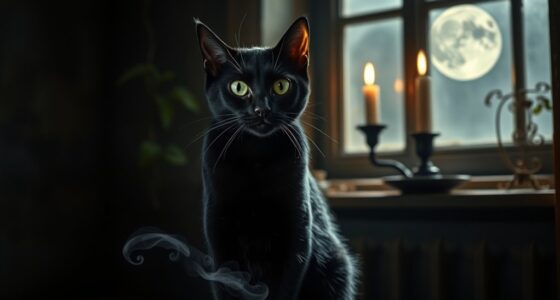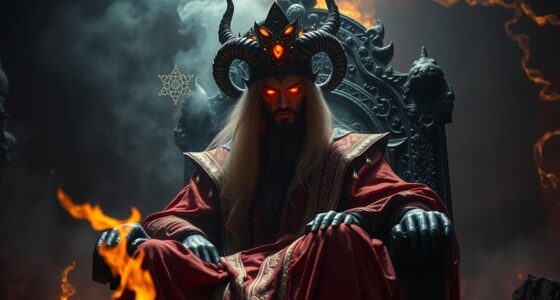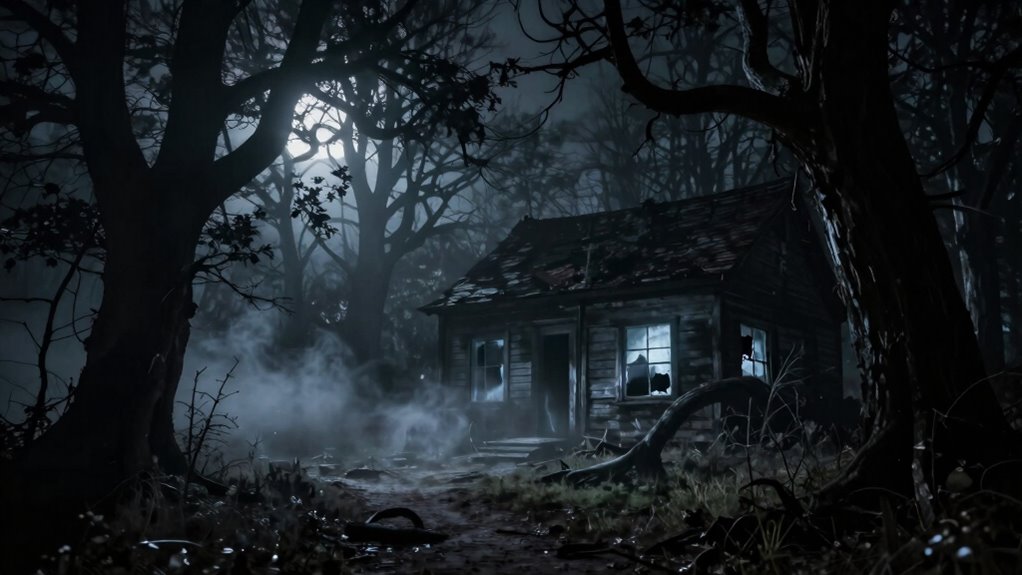

You might think 3 AM is when paranormal activity peaks, but this idea is rooted more in cultural myths than reality. Many believe the veil between the living and dead is thinnest at this hour, but scientists explain that your brain’s natural rhythms and sleep disruptions cause strange experiences. Cultural stories shape how you interpret noises or shadows, making them feel supernatural. If you keep exploring, you’ll discover the real reasons behind these nighttime sensations.

Get books and cozy reading nights delivered free with Prime
- Fast, free delivery on millions of items
- Prime Video, Amazon Music and more included
- Member-only deals all year
Key Takeaways
- Many paranormal claims at 3 AM are influenced by cultural beliefs and folklore, not scientific evidence.
- Biological factors like circadian rhythms cause natural wakefulness and disorientation during early morning hours.
- Normal sleep disturbances, such as noises or vivid dreams, are often misinterpreted as supernatural phenomena.
- Psychological factors, including stress and imagination, can amplify feelings of eeriness around 3 AM.
- Recognizing these natural and cultural influences helps rationalize experiences traditionally attributed to paranormal activity.
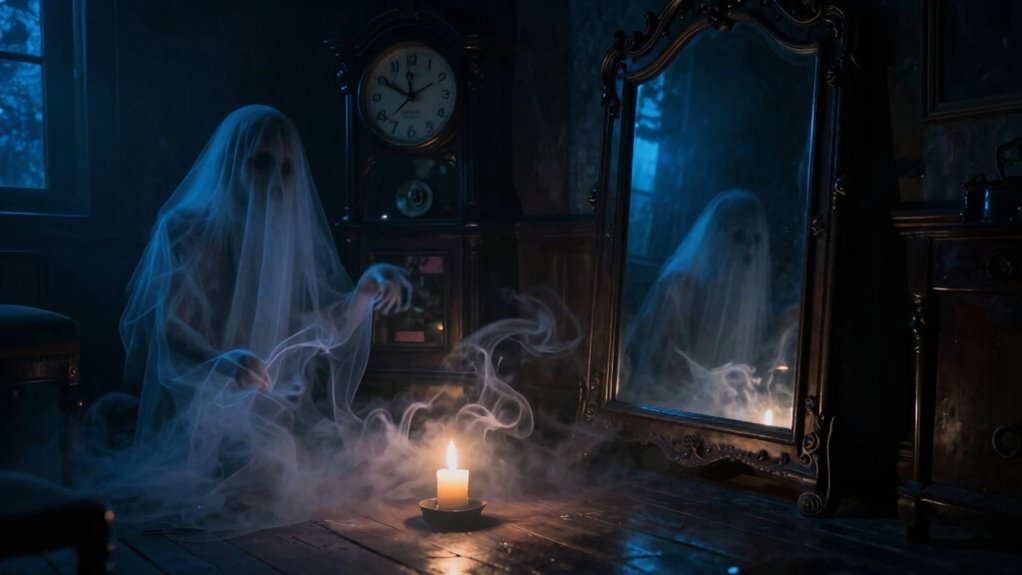
Many people believe that 3 AM is a special hour for paranormal activity, often calling it the “witching hour.” However, this idea is more rooted in superstition and folklore than in scientific evidence. Throughout history, various cultures have associated this time with supernatural occurrences, but these beliefs often reflect cultural narratives rather than verifiable facts. When you experience sleep disturbances around this time, it’s easy to interpret these moments as signs of paranormal activity, especially if you’re already inclined to believe in such phenomena. Your mind tends to fill in gaps with familiar stories or fears, making the experience feel more mysterious or eerie than it really is.
Cultural beliefs play a significant role in shaping how people perceive the significance of 3 AM. For centuries, different societies have associated this hour with spirits, ghosts, or otherworldly forces. In some traditions, 3 AM is considered a time when the veil between the living and the dead is thinnest, which fuels the idea that supernatural events are more likely to happen. These cultural narratives can influence your perception, especially when you’re in a vulnerable state, such as waking suddenly during the night. If you’ve grown up hearing that 3 AM is the time of spirits, your subconscious might interpret normal sleep disturbances—like a sudden noise or a vivid dream—as encounters with the supernatural. Additionally, sleep disturbances are common, and they can easily be mistaken for paranormal experiences when you’re awake during the night. Experts also point out that circadian rhythms naturally cause fluctuations in alertness and sleep, particularly during the early morning hours. Moreover, understanding the role of psychological factors can help demystify these nighttime episodes, showing how the mind interprets ambiguous stimuli. During the early morning hours, your body’s circadian rhythm naturally dips, making you more prone to waking up feeling disoriented or anxious. This natural fluctuation can amplify feelings of unease, especially when combined with sleep deprivation or stress, making supernatural interpretations even more likely. When you combine these factors, your brain’s tendency to seek explanations can lead to heightened perceptions of paranormal activity, even when no such activity is occurring. If you wake up suddenly and notice an unfamiliar sound or shadow, your mind might associate it with ghostly activity because of the cultural beliefs you’ve internalized. These sensations are often just the result of your brain trying to make sense of incomplete information, rather than evidence of anything supernatural.
In essence, what you interpret as paranormal activity at 3 AM is more likely to be a mix of sleep disturbances, psychological factors, and cultural beliefs rather than any actual supernatural force. Recognizing that your mind may be playing tricks on you, influenced by stories and traditions, allows you to approach these experiences with rationality. Ultimately, 3 AM isn’t inherently more mystical than any other hour—your perceptions and cultural stories shape how you interpret what happens during that time.
sleep noise machine for better rest
As an affiliate, we earn on qualifying purchases.
As an affiliate, we earn on qualifying purchases.
Frequently Asked Questions
What Scientific Explanations Exist for 3 AM Experiences?
You might experience strange feelings at 3 AM because it’s often linked to your sleep cycle, particularly REM sleep, when brain activity is heightened. During this time, your brain processes emotions, memories, and subconscious thoughts, which can create vivid dreams or sensations. These experiences aren’t paranormal but are natural results of your brain’s activity during a specific sleep phase, making you more alert to internal stimuli.
Are There Cultural Differences in Beliefs About 3 AM?
You’ll notice that cultural rituals and folklore traditions shape beliefs about 3 am differently worldwide. In some societies, this hour is viewed as a sacred time for spiritual connections, while others see it as a moment for reflection or rest. These cultural nuances influence how people interpret experiences at 3 am, fostering a rich tapestry of beliefs that blend superstition, tradition, and collective wisdom, enriching your understanding of this mysterious hour.
Can Sleep Patterns Influence Paranormal Perceptions at 3 AM?
Your sleep patterns can definitely influence your perceptions at 3 am. Sleep disturbances, like waking frequently or experiencing fragmented sleep, heighten the chances of nighttime hallucinations, which can be mistaken for paranormal activity. During this time, your brain is more vulnerable to misinterpreting normal sensations and hallucinations, making you more susceptible to believing in supernatural phenomena. So, poor sleep can amplify your perception of eerie encounters at 3 am.
How Do Personal Fears Affect 3 AM Paranormal Claims?
Your personal fears act like shadows that stretch and twist in the darkness of nighttime anxiety, fueling paranormal claims at 3 am. When your subconscious fears stir, they color your perceptions, making every creak seem like an otherworldly whisper. These fears, like invisible puppeteers, pull at your mind’s strings, turning ordinary sounds into ghostly encounters. Embracing calm can dispel these shadows, revealing that what you fear might be just the echoes of your own mind.
Are There Historical Origins of the 3 AM “Witching Hour”?
The 3 am “witching hour” has roots in historical symbolism and midnight superstition. You might find that this time was believed to be when supernatural activity peaked, often linked to ancient beliefs about the boundary between worlds growing thin. Historically, people thought that evil spirits and witches were most active then, creating a cultural association that persists today. This midnight superstition fuels modern fears around 3 am, reinforcing its eerie reputation.
Conclusion
So, next time you hear about the haunting hour, remember: it’s not about the clock, it’s about your mind. It’s not about shadows in the night, but about fear and fascination that fill your thoughts. The truth isn’t in the hour itself; it’s in what you believe, what you imagine, and what you choose to see. Because whether it’s 3 AM or any other time, it’s your perception that shapes your reality.
Halloween Picks
halloween
As an affiliate, we earn on qualifying purchases.