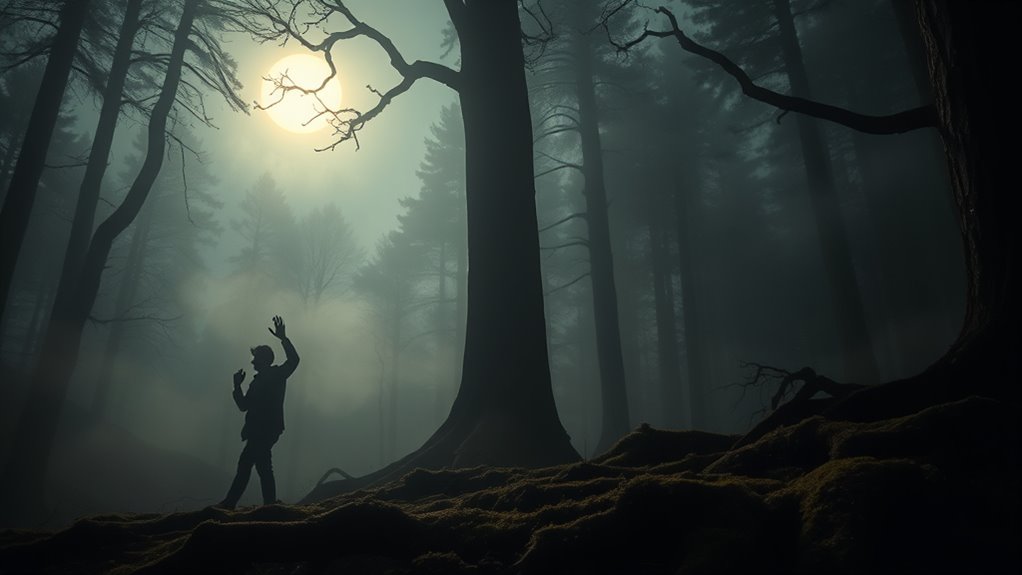
You may have heard that whistling at night invites spirits or disturbs the dead, but this is a superstition rooted in cultural beliefs. These stories stem from folklore that warns against certain nighttime actions to protect you from spirits or misfortune. However, scientifically, there’s no evidence to support this idea. If you’re curious about how these beliefs developed and why they persist, there’s more to explore behind these stories.
Key Takeaways
- Superstitions about whistling at night originate from cultural beliefs linking nighttime actions to spirits and supernatural forces.
- These beliefs are based on folklore and serve as cautionary tales rather than scientific facts.
- Scientific research shows no evidence that whistling or nighttime behaviors attract spirits or cause supernatural events.
- Superstitions persist because they help people cope with darkness and reinforce cultural identity and traditions.
- Recognizing these beliefs as cultural artifacts emphasizes that they are myths, not realities, with no basis in scientific fact.

Many people believe that whistling at night can attract spirits or invite supernatural trouble, but the truth is more nuanced. Around the world, superstitions around night are deeply rooted in cultural beliefs about spirits and the unknown. In some cultures, night is considered a liminal time when the veil between the living and the dead is thinnest. This leads to widespread fears that certain actions—like whistling—could summon unwanted entities or disturb resting spirits. These beliefs aren’t random; they stem from centuries of folklore passed down through generations, often reinforced by stories warning against behaviors that might upset supernatural forces. Additionally, these superstitions often serve as social cautionary tales to promote safety and social cohesion. In many societies, night-time superstitions serve as cautionary tales designed to keep people safe. For example, in parts of Latin America, whistling after sunset is believed to attract spirits or mischievous entities that might cause harm. Similarly, in some European traditions, whistling at night is thought to summon ghosts or spirits of the dead, disrupting their peaceful rest. These beliefs have persisted because they offer explanations for strange noises or unexplained events that happen after dark. When you consider these cultural perspectives, it’s clear that the idea of whistling attracting spirits isn’t just superstition but a way to explain the mysteries of the night.
Many cultures see night as a time when spirits are near, warning against actions like whistling to avoid disturbing the dead.
However, modern understanding challenges these traditional notions. Scientific research shows no evidence that whistling at night has any supernatural consequences. Instead, it’s more likely that such beliefs are rooted in cultural storytelling and fear of the unknown. Still, these superstitions endure because they provide a sense of control and caution during a time when the darkness can feel intimidating or unpredictable. People often adhere to these beliefs not because they genuinely think spirits are attracted by sound, but because they serve as social norms or cultural identity markers. Understanding the origins of these superstitions helps you see them for what they are: cultural artifacts shaped by history, fear, and storytelling. It’s natural for humans to seek explanations for things they don’t understand, especially during the night when shadows and sounds can seem mysterious. While there’s no real evidence linking whistling at night to spirits, respecting these cultural beliefs keeps traditions alive and reminds us of the rich diversity of human fears and customs. Ultimately, whether or not you believe in spirits, it’s wise to be aware of how such superstitions influence behavior and cultural narratives around night and the supernatural.
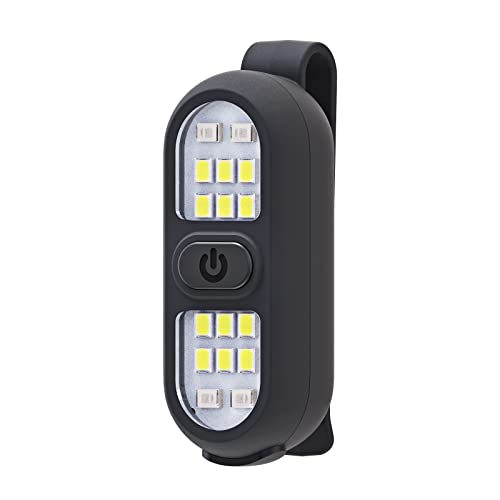
Clip on Flashlight, Running Lights for Runners Dog Light for Dog Walking at Night Rechargeable Safety Portable EDC Flashlight Gift for Runners Hands Free LED Work Light Flashing Camping Hiking Gear
Multiple Scenarios: It is not only a Clip on Running Light but also a very good choice for…
As an affiliate, we earn on qualifying purchases.
As an affiliate, we earn on qualifying purchases.
Frequently Asked Questions
Are There Cultures That Believe Whistling Attracts Spirits?
Yes, some cultures believe whistling attracts spirits, rooted in superstition origins and cultural beliefs. For example, in parts of Mexico, whistling at night is thought to summon spirits or evil entities, while in certain Asian traditions, it’s believed to invite mischievous spirits or bad luck. These beliefs often stem from local folklore and serve as cautionary tales to respect spiritual boundaries, emphasizing the importance of cultural customs and superstitions.
Can Whistling at Night Be Dangerous in Real Life?
Whistling at night can be considered dangerous due to superstitious beliefs rooted in cultural folklore, which suggest it might attract spirits or bad luck. While there’s no scientific evidence, many cultures warn against whistling after dark, fearing it could invite unwanted attention. If you’re aware of these superstitions, it’s wise to avoid whistling at night, respecting local customs and traditions that view it as a potential risk.
What Are the Origins of the Myth Linking Whistling and Spirits?
Superstitious beliefs suggest that the origins of the myth linking whistling and spirits stem from folklore origins where loud sounds, like whistling, supposedly summon supernatural entities. Many cultures believed that spirits or mischievous beings could be attracted or angered by such noise, especially at night. This folklore fostered fears and superstitions, making people wary of whistling after dark, thinking it might invite unwanted spirits or disturbances.
Are There Any Scientific Studies Supporting or Refuting This Myth?
Scientific evidence and empirical studies do not support the idea that whistling at night invites spirits. Researchers have found no concrete link between whistling and supernatural activity, and most scientists consider this myth a cultural construct rather than a factual phenomenon. So, if you’re worried about spirits, rest assured that whistling alone isn’t likely to attract any unwanted entities based on current scientific understanding.
How Do Different Religions Interpret the Idea of Spirits Being Attracted?
Different religions interpret spirits’ attraction through spiritual symbolism and religious rituals. For example, some believe whistling at night disturbs spiritual harmony, invoking negative energies. Others see it as disrespectful, disrupting sacred rituals. You should be mindful of these beliefs, as they shape how communities honor spirits. Respecting these interpretations helps maintain harmony and shows cultural sensitivity, especially when engaging with practices rooted in spiritual symbolism across diverse faiths.

Cobra HG S300 External Noise-Canceling Speaker
Cobra Quality Performance: This Cobra external speaker is designed to offer an exceptional combination of unsurpassed power handling,…
As an affiliate, we earn on qualifying purchases.
As an affiliate, we earn on qualifying purchases.
Conclusion
So, next time you’re tempted to whistle at night, remember it’s just a myth with no real basis—no need to fear spirits lurking in the shadows like in those haunted Victorian mansions. In reality, it’s your imagination running wild, fueled by stories and superstition. Don’t let old legends turn your peaceful night into a scene from a Gothic novel. Trust what you know, and enjoy the quiet without worrying about unwelcome guests from beyond.

Vantamo Personal Alarm for Self Defense with Low Battery Notice, Strobe Light & Extra Loud 130 dB Double Speakers Safety Keychain Set for Women, Rechargeable Panic Button for Womens Self Defense
Be confident every time you leave the house with Vantamo compact yet powerful emergency keychain for women. Designed…
As an affiliate, we earn on qualifying purchases.
As an affiliate, we earn on qualifying purchases.

Glocusent 135 LED Ultra Bright Camping Lantern, Up to 200H, 5000mAh Camping Lights with 3 Colors & 5 Brightness, SOS, Max 1500LM, Rechargeable Lantern for Power Outages Camping Hiking Emergency
[Brighten Your Entire Campsite] With 135 upgraded LEDs, this camping lights floods 360° with ultra-bright, shadow-free light covering…
As an affiliate, we earn on qualifying purchases.
As an affiliate, we earn on qualifying purchases.