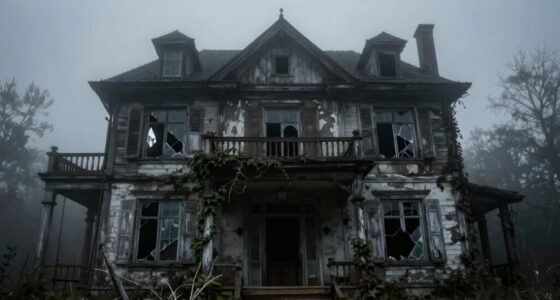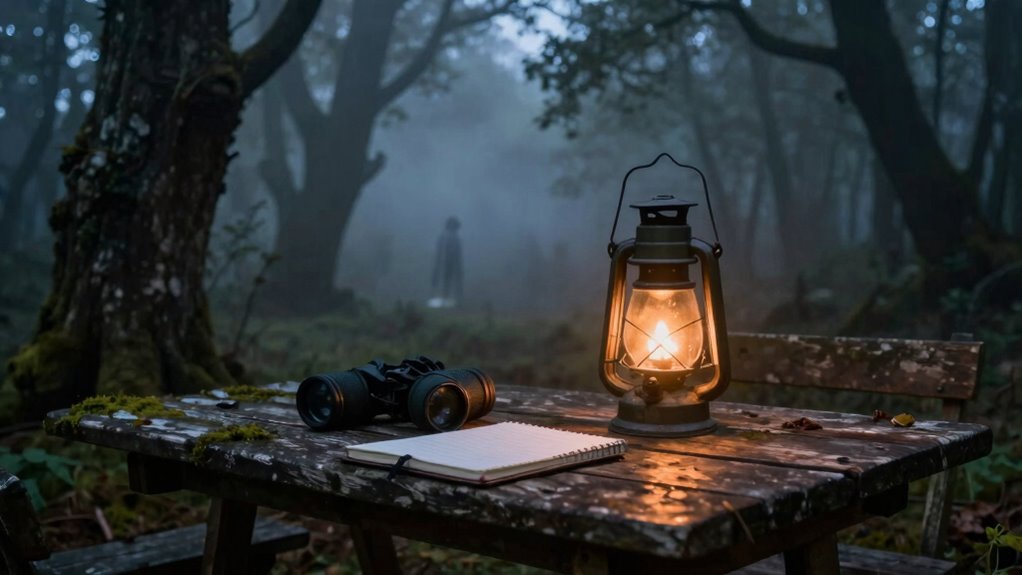
Skepticism belongs in paranormal basics because many claims lack solid scientific proof and often rely on psychological tricks or natural causes. By questioning what you hear or see, you can avoid being misled by illusions or scams. Using critical thinking helps you separate genuine phenomena from deception and understand cultural influences. If you stay curious and apply a skeptical approach, you’ll discover how emotion and perception shape these stories. Keep exploring to see how skepticism can uncover the truth behind the claims.

Get books and cozy reading nights delivered free with Prime
- Fast, free delivery on millions of items
- Prime Video, Amazon Music and more included
- Member-only deals all year
Key Takeaways
- Skepticism encourages critical evaluation of paranormal claims, preventing acceptance of false or misleading information.
- It helps distinguish genuine phenomena from natural or psychological explanations.
- Skepticism reduces susceptibility to scams and deception by demanding verifiable evidence.
- It promotes scientific inquiry, ensuring claims are examined objectively rather than accepted on belief.
- Skepticism accounts for cultural and perceptual influences, fostering a rational approach to paranormal reports.
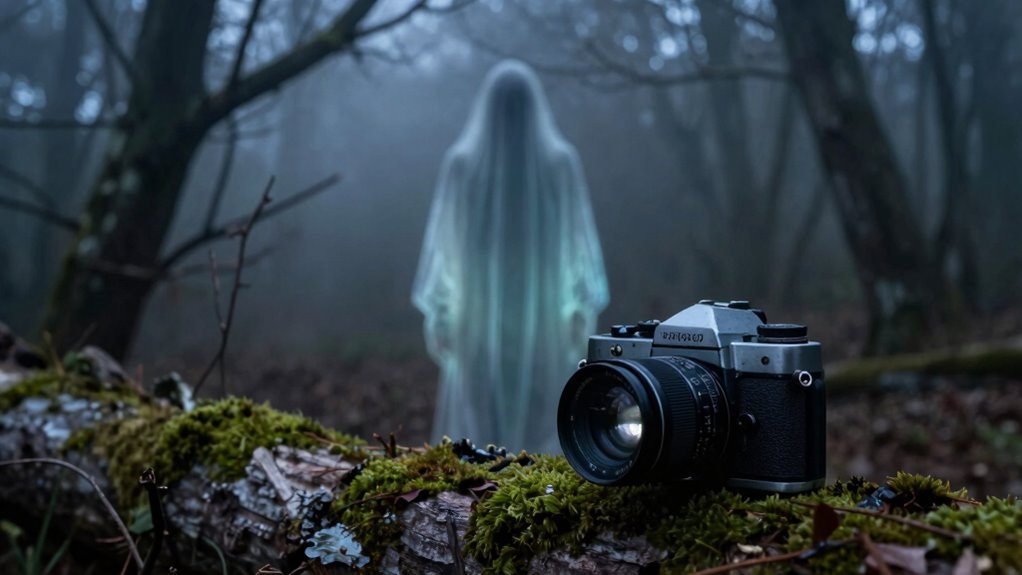
Paranormal skepticism involves questioning claims of supernatural phenomena and demanding scientific evidence before accepting them as true. When you approach reports of ghostly illusions or psychic phenomena, skepticism encourages you to look beyond the surface and consider alternative explanations. It’s easy to get swept up in stories of spirits and psychic powers, but without careful analysis, you risk falling for deception. Psychic deception, whether intentional or accidental, can lead even intelligent individuals astray, making it essential to maintain a questioning attitude. Many so-called psychic readings or mediumship sessions rely on vague statements or cold reading techniques that seem convincing but are actually rooted in psychological tricks. Recognizing these tactics helps you differentiate between genuine phenomena and simple deception.
Questioning supernatural claims and demanding evidence helps distinguish genuine phenomena from deception.
Ghostly illusions, for example, often result from natural causes like lighting effects, hallucinations, or environmental factors that mimic supernatural activity. When you stay skeptical, you’re less likely to accept these illusions at face value and more likely to investigate their true origins. This approach prevents you from being fooled by tricks of perception or misinterpreted sensory input, which can create the illusion of spirits or otherworldly presences. Skepticism doesn’t mean dismissing everything outright; it means demanding solid proof and applying critical thinking before jumping to supernatural conclusions. This mindset is essential in avoiding the pitfalls of confirmation bias, where you might see what you want to see rather than what’s actually there.
By questioning extraordinary claims, you also protect yourself from falling prey to scams or frauds that exploit belief in the paranormal. Con artists often use ghostly illusions and psychic deception to manipulate people emotionally or financially. A healthy dose of skepticism helps you recognize red flags and avoid being duped. It encourages you to seek evidence-based explanations and remain open-minded but cautious. You’re less likely to be swayed by emotional appeals or anecdotal stories that lack scientific backing. Instead, you develop a habit of asking for verifiable proof and scrutinizing the methods behind supposed paranormal experiences. Recognizing the psychological tricks that underpin many claims is crucial for maintaining a rational perspective. Developing an understanding of natural causes behind supposed supernatural events can also enhance your ability to differentiate between real and fabricated phenomena. Additionally, understanding the role of perception and sensory input can help you identify how illusions are created and exploited. Incorporating scientific principles into your approach strengthens your capacity to evaluate paranormal claims objectively.
Moreover, exploring the cultural context of paranormal stories can reveal how folklore and belief systems shape perceptions of supernatural events, further emphasizing the importance of skepticism. In essence, skepticism is a fundamental part of understanding the paranormal. It sharpens your critical thinking, helps you identify genuine phenomena from illusions, and keeps you grounded in rational inquiry. Without skepticism, you risk being misled by ghostly illusions or psychic deception, which can cloud your judgment and lead to false beliefs. Embracing a skeptical perspective isn’t about dismissing the supernatural outright, but about ensuring that your beliefs are based on solid evidence rather than sensational stories or tricks of perception. It’s a safeguard that keeps your curiosity healthy, your mind open, and your investigations honest.
As an affiliate, we earn on qualifying purchases.
Frequently Asked Questions
How Do Skeptics Differentiate Between Genuine Paranormal Events and Hoaxes?
You’d see skeptics differentiate genuine paranormal events from hoaxes by examining evidence critically, considering historical biases and cultural influences that shape perceptions. They ask for consistent, verifiable proof and look for logical explanations before jumping to conclusions. Skeptics also analyze the context, motives, and potential for deception, understanding that cultural influences can distort interpretations. This cautious approach helps them separate authentic phenomena from deliberate hoaxes or misinterpretations.
What Are Common Psychological Factors Influencing Paranormal Skepticism?
You might think skepticism is purely rational, but cognitive biases and perception gaps often influence you more than you realize. Ironically, your mind’s shortcuts, like confirmation bias, make you dismiss evidence that challenges your beliefs, while perception gaps distort what you actually see or hear. These psychological factors keep you skeptical, not because you’re open-minded, but because your brain filters reality to fit your existing worldview.
Can Skepticism Hinder Genuine Paranormal Research?
Skepticism can hinder genuine paranormal research by causing you to dismiss unexplained phenomena prematurely, influenced by historical biases and cultural influences that shape your perceptions. When skepticism becomes dogmatic, it blocks open-minded investigation and the acceptance of new evidence. Instead, you should balance skepticism with curiosity, ensuring that you remain open to discovering phenomena beyond your current understanding, rather than dismissing them outright due to preconceived notions.
How Do Skeptics Approach Anecdotal Paranormal Evidence?
Think of skeptics as detectives examining a mysterious painting. They recognize that subjective perception and cultural influences shape what you see, so they approach anecdotal paranormal evidence carefully. They question the storyteller’s biases and look for alternative explanations, understanding that personal accounts are often colored by individual experiences or societal norms. By doing so, skeptics aim to uncover the truth behind the stories, not dismiss them outright.
What Scientific Methods Do Skeptics Use to Evaluate Paranormal Claims?
You use scientific methods like experimental validation to test paranormal claims under controlled conditions, ensuring unbiased results. You also examine cognitive biases, such as confirmation bias, that might skew perceptions or interpretations of evidence. By applying rigorous testing and critical thinking, you aim to separate genuine phenomena from psychological effects or misconceptions, maintaining an objective stance. This approach helps you evaluate claims more accurately and responsibly.
Conclusion
So, next time you encounter a strange story or a spooky claim, remember that skepticism isn’t about dismissing everything outright. Sometimes, what seems like a paranormal event might just be a coincidence, a trick of the mind, or plain old luck. Embracing skepticism keeps you curious and cautious, ensuring you don’t fall for every ghost story or miracle. After all, in the world of the paranormal, a little doubt can be your best friend.
Halloween Picks
halloween
As an affiliate, we earn on qualifying purchases.