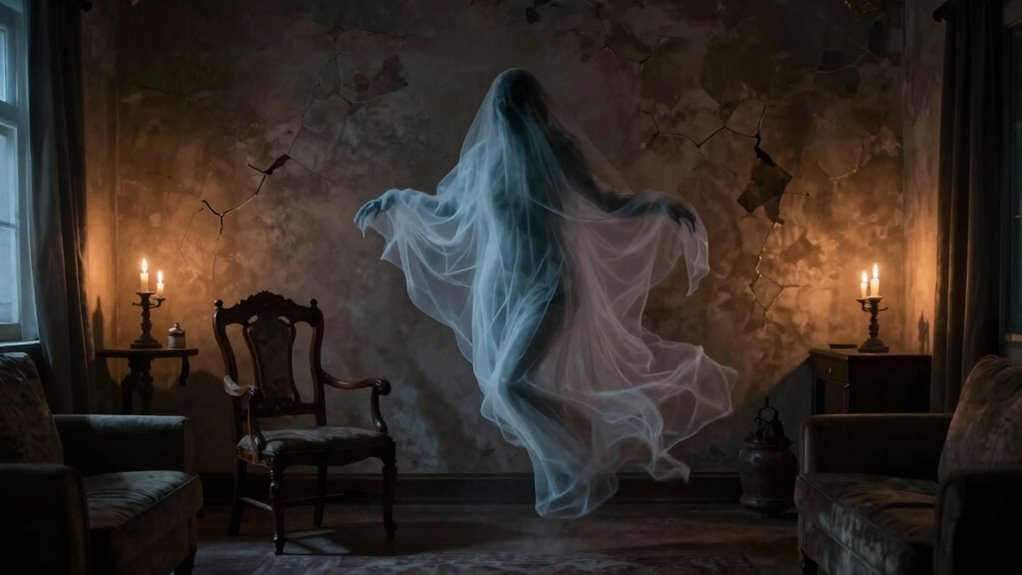
When people say poltergeist, they usually mean a noisy, disruptive spirit that causes chaotic disturbances like objects flying, loud bangs, or unexplained sounds. Unlike traditional ghosts, poltergeists are often linked to emotional energy and stress rather than a conscious spirit. These phenomena tend to happen in places filled with emotional turmoil, and their activity can escalate quickly. If you want to understand what might be behind these strange events, there’s more to explore.

Get books and cozy reading nights delivered free with Prime
- Fast, free delivery on millions of items
- Prime Video, Amazon Music and more included
- Member-only deals all year
Key Takeaways
- A poltergeist is a noisy, disruptive spirit associated with chaotic paranormal activity.
- It often involves physical disturbances like moving objects, loud noises, and unexplained phenomena.
- The term means “noisy ghost” in German and is linked to violence and emotional turmoil.
- Activities are believed to stem from emotional energy rather than a conscious supernatural entity.
- Poltergeist phenomena are unpredictable, often linked to emotional distress and environmental conditions.
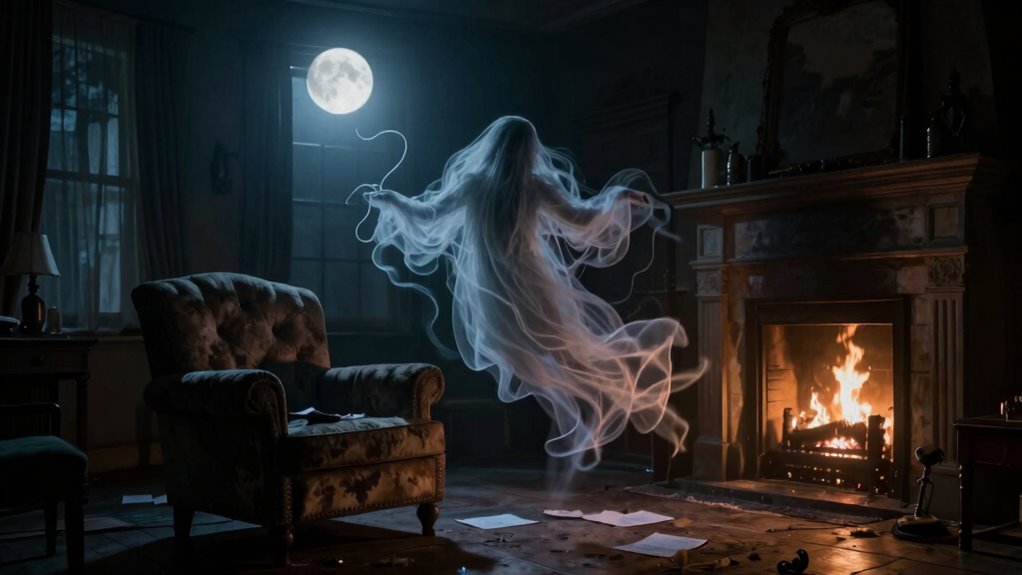
Have you ever wondered what a poltergeist truly is? You’re probably familiar with stories of haunted locations where objects suddenly move on their own or strange noises echo through empty halls. When people mention a poltergeist, they’re often referring to a type of spirit or supernatural presence associated with intense paranormal activity. Unlike traditional ghosts, which are usually thought to be the spirits of the deceased lingering behind, poltergeists are known for their disruptive and often violent behavior, creating chaos in their environment.
Poltergeists are disruptive spirits linked to intense paranormal activity and emotional turmoil, unlike traditional lingering ghosts.
You might find it surprising, but many cases involving poltergeists happen in homes or buildings with a history of emotional distress or upheaval. These locations become hotspots for paranormal activity, with objects flying across rooms, loud bangs, and unexplained disturbances. The term “poltergeist” comes from German roots meaning “noisy ghost,” which perfectly describes the chaotic phenomena attributed to these entities. People often report hearing unexplained knocks, footsteps, or voices, along with physical disturbances like furniture being moved or objects shattered without any clear explanation. This kind of activity tends to escalate quickly and can be quite frightening for those living through it.
What makes poltergeists particularly intriguing is that their presence seems to be linked more to emotional energy than to a conscious spirit. Some researchers believe that these phenomena are caused by the psychological stress of the people involved, especially adolescents or individuals experiencing intense emotional turmoil. The idea is that mental or emotional energy is somehow manifesting physically, creating the chaos we associate with poltergeists. The connection between emotional energy and physical disturbances suggests that these phenomena might be influenced by the emotional state and environmental conditions of those involved. Interestingly, some studies indicate that these disturbances may also be affected by environmental factors, which can amplify or diminish the activity. This has led some experts to consider that environmental conditions could play a significant role in either triggering or calming poltergeist activity.
In many haunted locations, reports of poltergeist activity have persisted for decades, fueling local legends and paranormal investigations. Investigators often come in looking for tangible evidence—knocking sounds, moving objects, or temperature drops—that can confirm paranormal activity. Still, because these events are so unpredictable and often subjective, it’s difficult to determine whether they’re truly caused by supernatural forces or are the products of human perception or environmental factors.
No matter the cause, the idea of a poltergeist continues to fascinate and terrify people. It’s this combination of mystery and potential danger that keeps haunted locations popular in stories and media. When you think of a poltergeist, remember it’s not just about spooky stories; it’s about a phenomenon where emotional energy, environmental conditions, and unseen forces collide to create some of the most intense paranormal activity ever reported. Interestingly, ongoing research into paranormal phenomena suggests that these disturbances could be influenced by environmental factors or human perception, adding another layer of complexity to understanding poltergeist activity.
As an affiliate, we earn on qualifying purchases.
Frequently Asked Questions
Are Poltergeists Considered Real Entities or Psychological Phenomena?
Poltergeists aren’t proven to be real entities; many believe they’re psychological phenomena or the result of supernatural theories. You might experience unexplained noises or objects moving, but skeptics argue these are caused by psychological interpretations like stress or subconscious influences. While some see them as supernatural spirits, scientific evidence remains lacking. Ultimately, whether you see them as real spirits or mind-driven events depends on your beliefs and how you interpret the phenomena.
How Long Do Poltergeist Activities Typically Last?
Poltergeist activities usually last from a few days to several weeks, sometimes longer, depending on the situation. During this time, you might hear ghostly whispers and witness eerie apparitions that seem to appear and disappear unexpectedly. These phenomena often intensify quickly before fading away, leaving you puzzled and unsettled. The duration varies, but the unsettling experiences tend to cluster in intense bursts, making it hard to predict how long they’ll persist.
Can Poltergeist Activity Be Predicted or Prevented?
You can’t truly predict or prevent poltergeist activity, but some believe Paranormal prediction tools, like spiritual signs or intuition, might offer early warnings. Spiritual prevention methods, such as blessings or protective charms, are thought to help create a barrier. While there’s no scientific certainty, maintaining positive energy and seeking professional help may ease tension and reduce the likelihood of disruptive spirits. Trust your instincts and stay vigilant.
What Cultural Differences Exist in Poltergeist Beliefs?
Cultural differences shape how you interpret poltergeist activity, often rooted in local cultural ghost stories and mythical spirit interpretations. In some cultures, such activity is seen as spirits seeking justice or communication, while others view it as malevolent forces. These beliefs influence how you respond—whether through rituals, prayers, or avoidance. Understanding these cultural perspectives helps you appreciate the diverse ways societies perceive and handle supposed poltergeist phenomena.
Are There Scientific Explanations for Poltergeist Phenomena?
Scientific explanations for poltergeist phenomena often involve psychological, environmental, or physical factors. Paranormal investigations frequently seek evidence of supernatural activity, but scientific skepticism emphasizes alternative causes like hallucinations, suggestion, or structural vibrations. Many scientists argue that poltergeist reports can be explained through natural means, and rigorous research rarely supports supernatural claims. You should consider these scientific perspectives to understand the phenomena beyond just supernatural interpretations.
Conclusion
So, next time you hear someone mention a poltergeist, you’ll understand they’re talking about those noisy, mischievous spirits causing chaos. Curiously, studies suggest about 20% of people believe they’ve experienced some form of paranormal activity, making these stories more common than you might think. Whether real or imagined, knowing what a poltergeist truly is helps you see these tales in a new light. After all, everyone loves a good mystery, right?
Columbus Day / Indigenous Peoples' Day Picks
long weekend sales
As an affiliate, we earn on qualifying purchases.