
Confirmation bias in investigations stems from brain processes that reinforce your existing beliefs. When you encounter evidence supporting your initial hypothesis, your neural reward system activates, encouraging you to focus on confirming data and dismiss contradictory information. This automatic reinforcement makes it hard to stay objective and can lead to flawed conclusions. By understanding these neural mechanics, you’ll discover how your brain influences your judgments and how to counteract these tendencies effectively.
Key Takeaways
- Confirmation bias arises from neural reward circuits that reinforce information supporting existing beliefs, influencing how evidence is processed.
- Brain mechanisms for pattern recognition and reward make individuals automatically favor confirming evidence during investigations.
- Experimental studies show people seek supporting evidence and dismiss contradictory data, often unconsciously.
- Neural pathways tend to filter out disconfirming information, leading to biased interpretations and flawed conclusions.
- Awareness alone is insufficient; deliberate strategies like seeking disconfirming evidence can help mitigate the bias.

Confirmation bias is a psychological tendency that causes people to favor information supporting their existing beliefs while disregarding evidence to the contrary. This bias can have profound effects on investigations, shaping how evidence is gathered, interpreted, and remembered. Neuroscience research has shed light on the brain mechanisms behind this bias, revealing that certain neural pathways reinforce our predispositions. When you encounter information that aligns with your beliefs, your brain’s reward system activates, encouraging you to focus on confirming details while filtering out contradictory data. This neural reinforcement makes it more difficult to remain objective, even when you’re aware of your biases.
Brain’s reward system reinforces beliefs, making objectivity in investigations challenging despite awareness of biases.
Psychological experiments have consistently demonstrated how confirmation bias operates during investigations. In controlled studies, participants often seek out evidence that supports their initial hypotheses and tend to dismiss or overlook evidence that contradicts them. For example, experiments involving problem-solving or hypothesis testing show that individuals tend to interpret ambiguous information in a way that confirms their expectations. These experiments reveal that the bias isn’t just a matter of conscious preference but is deeply rooted in cognitive processes. As a result, investigators—whether in science, law enforcement, or journalism—may inadvertently focus on evidence that supports their theories, leading to flawed conclusions.
Understanding the neuroscience behind confirmation bias helps you appreciate why it’s so difficult to overcome. Your brain naturally seeks coherence, and neural circuits involved in pattern recognition and reward make it easier to accept confirmatory information. This automatic process often bypasses critical thinking, making you less likely to challenge your assumptions. Psychological experiments further demonstrate that even when people are aware of their biases, they often struggle to suppress them. This suggests that confirmation bias isn’t solely a matter of ignorance but is embedded in the neural architecture of decision-making.
Being aware of these insights from neuroscience research and psychological experiments is essential for anyone involved in investigations. Recognizing the power of confirmation bias allows you to implement strategies to counteract it, such as actively seeking disconfirming evidence or adopting a more skeptical stance. In practice, this might mean designing experiments that intentionally challenge your hypotheses or consulting colleagues with differing viewpoints. Ultimately, understanding the science behind confirmation bias equips you to conduct more objective, rigorous investigations, reducing the risk of errors driven by subconscious neural tendencies.
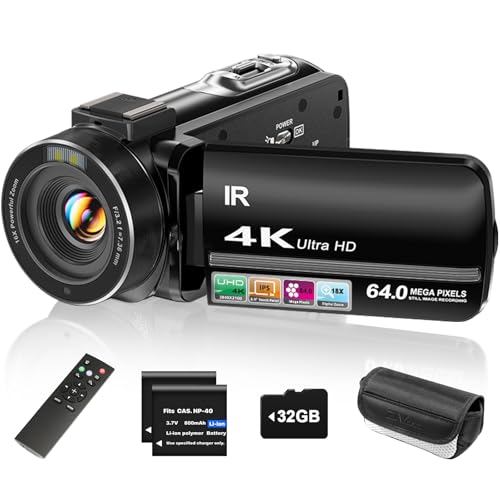
ZYDIIE 4K Video Camera Camcorder UHD 64MP Vlogging Camera for YouTube 18x Digital Zoom 3" 270° Rotation IPS Touchscreen Video Camcorder with Night Vision, Remote Control, 32GB Card, 2 Batteries
4K & 64MP Video Camera Camcorder: Capture life in breathtaking detail with 4K Ultra HD recording and vibrant...
As an affiliate, we earn on qualifying purchases.
Frequently Asked Questions
How Can Investigators Detect Their Own Confirmation Bias?
You can detect your own confirmation bias by practicing cognitive awareness and bias recognition. Stay mindful of your initial assumptions and question whether they influence your investigation. Regularly challenge your conclusions by seeking disconfirming evidence and consulting with colleagues for objective perspectives. Keep a journal of your thought processes to identify patterns of bias, and remain open to changing your views as new information emerges. This active self-awareness helps minimize confirmation bias.
Are There Specific Training Methods to Reduce Confirmation Bias?
You might think training techniques could eliminate bias, but ironically, they mainly boost bias awareness rather than erase it. By engaging in exercises that highlight your own tendencies, you become more conscious of confirmation bias. Techniques like perspective-taking, blind analysis, and peer reviews help you recognize biases as they occur. Ultimately, these methods don’t eliminate bias, but they make you more aware, helping you question assumptions and approach investigations more objectively.
Does Confirmation Bias Affect All Types of Investigations Equally?
Confirmation bias influences all types of investigations, but its effects vary based on investigator stereotypes and evidence interpretation. You might notice that personal biases shape how you interpret evidence, regardless of investigation type. While some investigations are more prone to bias due to complex or ambiguous evidence, everyone risks subconsciously favoring data that confirms preconceptions. Staying aware of stereotypes and actively questioning your interpretations helps minimize confirmation bias’s impact.
What Role Does Cognitive Load Play in Confirmation Bias?
Imagine you’re juggling multiple tasks, and cognitive overload hits. This decision fatigue makes you more prone to confirmation bias, as your brain seeks shortcuts. When your mental resources are drained, you unconsciously favor information that confirms your existing beliefs, ignoring contradictory evidence. Cognitive load directly influences this bias, reducing your ability to think critically and objectively, especially during complex investigations where mental exhaustion is common.
Can Technological Tools Help Mitigate Confirmation Bias in Investigations?
Yes, technological tools can help mitigate confirmation bias in investigations. You can use data visualization to identify patterns that challenge your assumptions, making biases more visible. Bias detection algorithms analyze your data for signs of selective interpretation or overlooked evidence. By integrating these tools into your workflow, you actively reduce bias, ensuring more objective conclusions and thorough investigations.
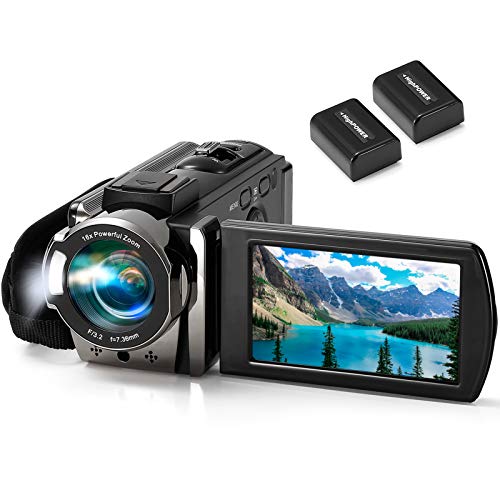
kimire Video Camera Camcorder Digital Camera Recorder Full HD 1080P 15FPS 24MP 3.0 Inch 270 Degree Rotation LCD 16X Digital Zoom Camcorder Camera with 2 Batteries(Black)
【Video Camera as Webcam】: The video camera is useful to take the beautiful photos and share it in...
As an affiliate, we earn on qualifying purchases.
Conclusion
So, next time you’re investigating, remember that your brain loves to play favorites. Confirmation bias is like that annoying friend who only hears what they want to hear—except it’s in your head. Don’t let it steer your conclusions. Question your instincts, challenge your assumptions, and maybe, just maybe, let evidence do the heavy lifting. After all, nobody wants a detective who’s just good at confirming what they already believe. Stay sharp, outwit your biases, and solve the mystery!

Camcorder Video Camera 4K Ultra HD 80MP Vlogging Camera for YouTube 18X Digital Zoom 3.0" 270° Rotation IPS Screen IR Night Vision Camcorder Recorder with 32GB SD Card, Lens Cap and 2 Batteries
【Ultra HD 4K 80MP Video Camera】This camcorder supports up to 4K video resolution and 80MP image resolution. The...
As an affiliate, we earn on qualifying purchases.

ORDRO Camcorders HDV-V12 HD 1080P Video Camera Recorder Infrared Night Vision Camera Camcorders with 16G Memory Card and 2 Batteries
1080P Video camera: 1920x1080P (FHD) resolution, up to 30.0 mega pixels. 3.0 inches TFT-LCD screen (270 degrees rotation)....
As an affiliate, we earn on qualifying purchases.