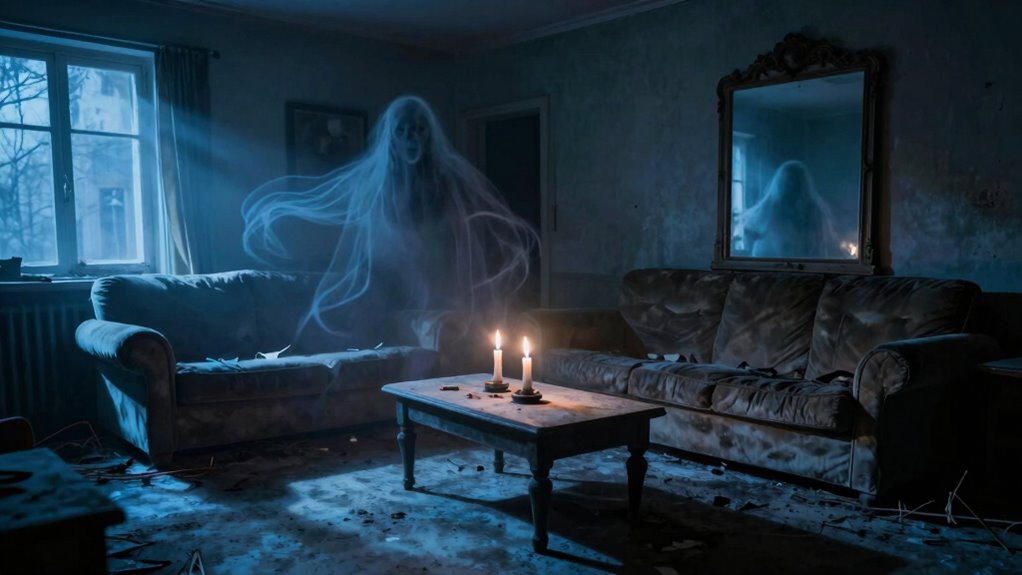

Memory contamination plays a big role in how paranormal cases unfold, often distorting your recollections and making it hard to tell real from false. You might fill gaps with false memories or interpret ambiguous events as supernatural, influenced by external stories or biases. Confirmation bias and vivid false memories can reinforce beliefs, skewing your perception. If you want to understand how these factors shape ghost accounts and how to recognize them, keep exploring these critical insights.

Get books and cozy reading nights delivered free with Prime
- Fast, free delivery on millions of items
- Prime Video, Amazon Music and more included
- Member-only deals all year
Key Takeaways
- Memory contamination can distort paranormal accounts, making false memories seem authentic and complicating case verification.
- External suggestions and social influences often embed false memories, influencing individuals’ perceptions of paranormal events.
- Cognitive biases, like confirmation bias, lead to interpreting ambiguous stimuli as paranormal, reinforcing false recollections.
- Repeated storytelling and discussion strengthen false memories, blurring the line between genuine experiences and fabricated ones.
- Recognizing memory contamination enhances critical evaluation, reducing misinterpretation and improving investigative accuracy.
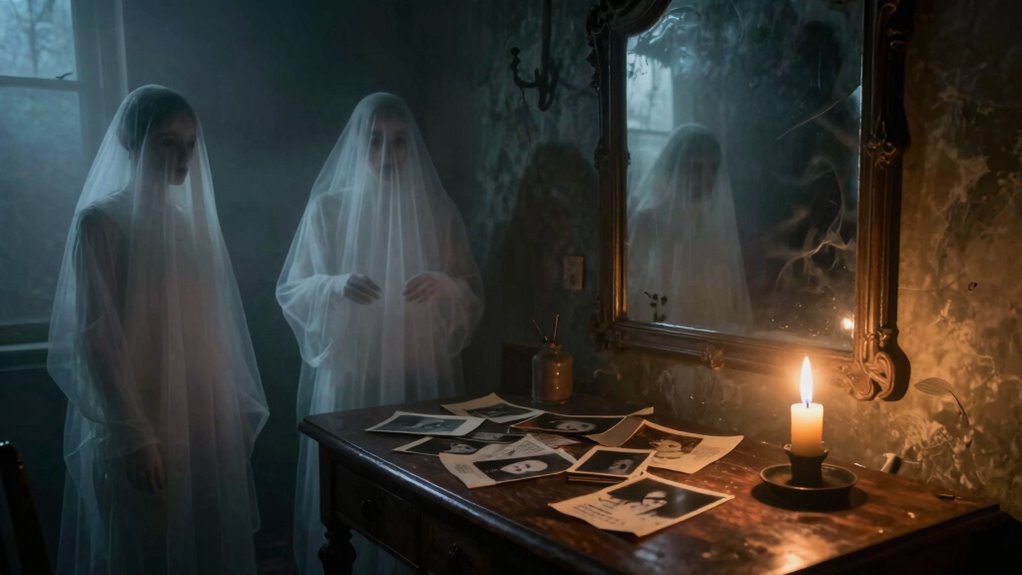
Memory contamination can profoundly distort accounts of paranormal encounters, making it difficult to distinguish genuine phenomena from influenced or misremembered details. When you think back to a strange experience, your mind isn’t a perfect recorder; it’s susceptible to false memories that can be shaped by suggestion, emotion, or even external influences. These false memories aren’t deliberate lies but are instead the result of cognitive biases that skew how you interpret and recall events. Over time, your brain can fill in gaps or modify details, leading you to believe in an experience that may not have occurred exactly as you remember.
Memory contamination can distort paranormal accounts, making it hard to distinguish real experiences from false, biased, or altered recollections.
Cognitive biases play a pivotal role in how these memories form and evolve. For example, confirmation bias pushes you to interpret ambiguous stimuli in ways that support your existing beliefs about the paranormal. If you already believe in ghosts, you might interpret strange noises or shadows as evidence of spirits, even if a rational explanation exists. Similarly, the availability heuristic makes you more likely to recall vivid or recent experiences, which can distort your overall perception of how often and how intensely you encounter paranormal phenomena. These biases don’t just influence what you remember—they shape how you interpret future experiences, creating a feedback loop that reinforces your beliefs.
False memories are particularly insidious because they can seem incredibly real. You might vividly recall an encounter with a ghost or an unexplained event, but upon closer examination, those memories could be the result of subconscious suggestions or misinterpretations. For instance, hearing a story from someone else might implant a false memory in your mind, making you believe you experienced something similar. Repeated retellings or discussions about these encounters can further embed these false memories, making them seem authentic. This process complicates efforts to verify paranormal claims and often leads investigators to accept exaggerated or inaccurate accounts as factual.
Because of this, understanding memory contamination is essential when evaluating paranormal cases. Recognizing how false memories and cognitive biases influence personal recounts helps you approach these stories with a healthy dose of skepticism. It’s not about dismissing every experience but about carefully analyzing how your mind might be shaping those memories. Additionally, awareness of memory distortion can help you better distinguish between genuine and fabricated experiences. Being aware of the cognitive biases involved can further improve your critical thinking during investigations. By doing so, you’re more likely to differentiate genuine phenomena from the distortions caused by your own subconscious processes. Ultimately, awareness of memory contamination equips you with a more critical eye, helping you navigate the complex web of perception and reality in paranormal investigations.
As an affiliate, we earn on qualifying purchases.
Frequently Asked Questions
How Can Memory Contamination Be Prevented During Paranormal Investigations?
To prevent memory contamination during paranormal investigations, you should focus on minimizing memory reconstruction influenced by cognitive biases. Use blind or double-blind procedures where investigators don’t know the case details beforehand. Record observations immediately, avoiding retrospective memory recall. Stay aware of your biases, questioning assumptions, and corroborate findings with objective evidence. This approach helps you reduce the chances of memory contamination, ensuring more accurate and reliable investigation results.
What Psychological Factors Contribute to Memory Contamination in Eyewitness Accounts?
Did you know that 70% of false memories can be influenced by cognitive biases? These biases, like suggestibility and confirmation bias, heavily contribute to memory contamination in eyewitness accounts. You might unknowingly reshape memories based on misleading information, leading to false memories. Your brain’s tendency to fill gaps with assumptions makes you vulnerable to these distortions, which can distort the truth during paranormal investigations.
Are There Specific Cases Where Memory Contamination Led to False Paranormal Claims?
Yes, there are cases where false memories, often created through suggestive questioning, led to false paranormal claims. You might recall stories where witnesses, influenced by leading questions or ambient suggestions, genuinely believed they experienced paranormal phenomena. These false memories can be so convincing that individuals trust their distorted recollections, making it challenging to distinguish between genuine experiences and those shaped by memory contamination.
How Do Researchers Differentiate Between Genuine Memories and Contaminated Ones?
Think of investigators as detectives in a mystery novel, carefully uncovering truth from fiction. You can differentiate genuine memories from contamination by analyzing the consistency of details, evaluating the source of information, and using techniques like cognitive interviews. Researchers look for signs of memory distortion and false recollections, questioning the reliability of memories and cross-referencing evidence. This diligent process helps them distinguish authentic experiences from those altered by external influences.
Can Technology Help Identify Memory Contamination in Paranormal Research?
Yes, technology can help identify memory contamination in paranormal research. Neural imaging, like fMRI scans, reveals brain activity patterns associated with genuine versus contaminated memories, while analyzing cognitive biases helps spot distortions. By combining these tools, you can better assess the authenticity of memories, reducing the influence of contamination. This approach allows researchers to distinguish between real experiences and those influenced by external factors or false memories more accurately.
Conclusion
You should consider how memory contamination shapes paranormal cases. Studies show that around 70% of false memories can be linked to suggestion or misinformation, which can easily influence witnesses’ accounts. This highlights how easily our memories can be distorted, leading us to believe in phenomena that might not be real. Recognizing this bias helps you approach paranormal reports with skepticism, understanding that what you remember might be more about suggestion than actual supernatural events.
Halloween Picks
halloween
As an affiliate, we earn on qualifying purchases.