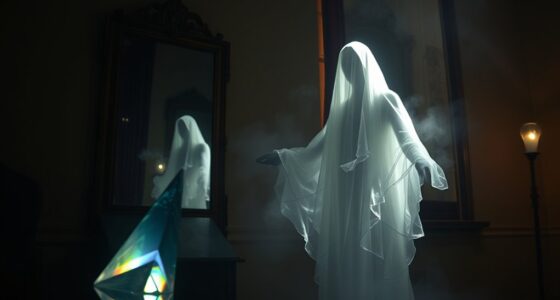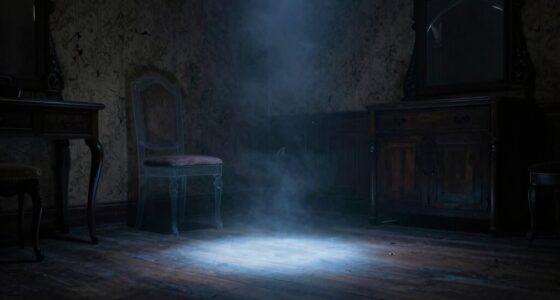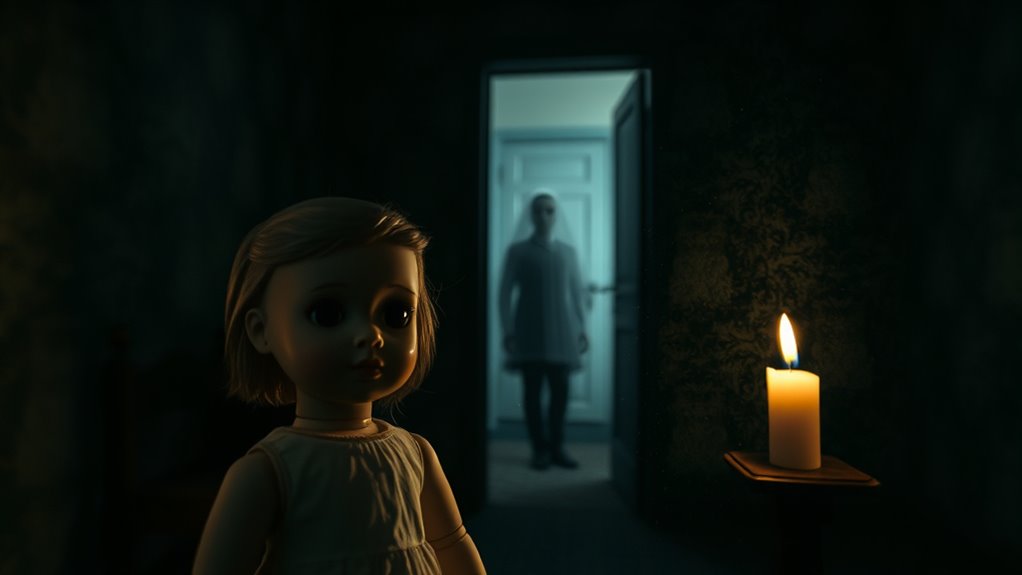
Paranormal activity might often just be your mind playing tricks on you. Your expectations can shape what you perceive, leading to misinterpretations of ordinary events as supernatural. Psychological mechanisms like pareidolia, where you see patterns, can make shadows look like figures. Environmental factors, such as low light or unsettling sounds, can also heighten your senses and induce fear. If you’re curious about how these factors intertwine, there’s plenty more to uncover.
Key Takeaways
- Expectation and cognitive biases can lead to misinterpreting ordinary events as paranormal phenomena.
- Psychological factors like fear and empathy heighten sensitivity to perceived supernatural occurrences.
- Environmental influences, such as low light or infrasound, can create sensations of unease and hallucinations.
- Cultural beliefs and traditions shape perceptions of ghosts, often intertwining with personal experiences.
- Unconscious mechanisms, like the ideomotor effect, may cause individuals to perceive communication from spirits.
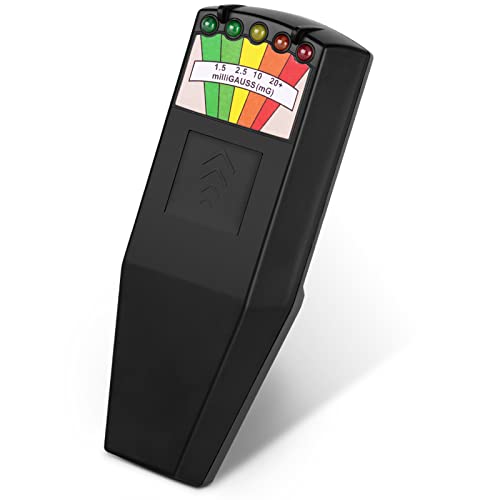
color tree Handheld LED EMF Magnetic Field Ghost Hunting Detector Electromagnetic Paranormal Equipment Tester 50Hz-20,000Hz Black
The EMF Meter Range for Ghost Hunting helps measure the electromagnetic fields to identify appliances that produce high-level...
As an affiliate, we earn on qualifying purchases.
The Role of Expectation in Paranormal Experiences
When you expect spooky experiences, your mind can play tricks on you, leading to the perception of paranormal phenomena where none exist. Your expectation shapes your perception, making you more likely to misinterpret everyday occurrences as supernatural events.
If you believe in ghosts, you might find yourself engaging in imaginative thinking, crafting elaborate stories around ordinary sounds. Cognitive biases amplify this effect, as you gain confidence in decisions based on ambiguous information.
Suggestive perception also plays a role; you might “hear” whispers or “see” shadows simply because you expect them. Emotional states, like fear or anxiety, can heighten your receptiveness to these interpretations, reinforcing the belief in non-random forces at play in your life.

Electronic Vibration Noise Detection Sensor RGB Light Display Sound Activated Paranormal Investigation Equipment With 8 Modes Built-in Microphone 2K HD Recording
[COMPACT AND PORTABLE DESIGN] This vibration/noise sensor is compact and lightweight, making it easy to carry for both...
As an affiliate, we earn on qualifying purchases.
Psychological Mechanisms Behind Ghost Sightings
While many people dismiss ghost sightings as mere figments of imagination, a closer look reveals that psychological mechanisms play a significant role in these experiences. Your psychological traits, like empathy and focus, can heighten the likelihood of encountering supernatural phenomena.
Pareidolia, where your brain recognizes patterns, might lead you to see faces in shadows. The ideomotor effect shows how unconscious movements can make you feel like you’re communicating with spirits.
Sensory disorientation, often driven by fear, can distort your environment, enhancing ghostly perceptions. Additionally, your belief in ghosts can create cognitive biases that skew your memory and interpretation of ambiguous situations, causing you to attribute unexplained events to supernatural causes, reinforcing those ghost sightings.
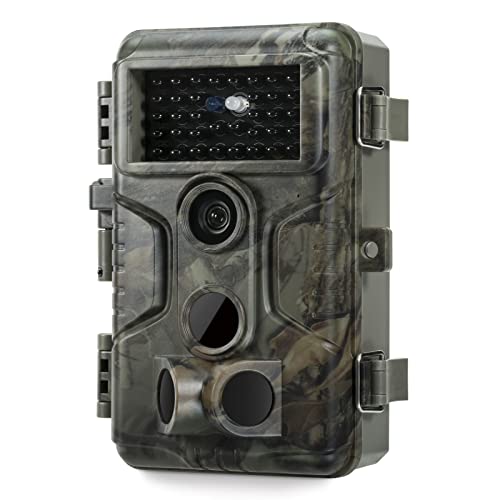
GardePro A3S Trail Camera (Non-Cellular, Non-WiFi), Enhanced Low-Light Performance, 64MP Photo & 1296P HD Video, 0.1s Trigger, 100ft No-Glow Night Vision, Motion Activated Wildlife Camera
Advanced Sensor for Superior Low-Light Performance: Equipped with a Sony Starvis Sensor, this trail camera captures high-resolution images...
As an affiliate, we earn on qualifying purchases.
Evolutionary Perspectives on Belief in the Supernatural
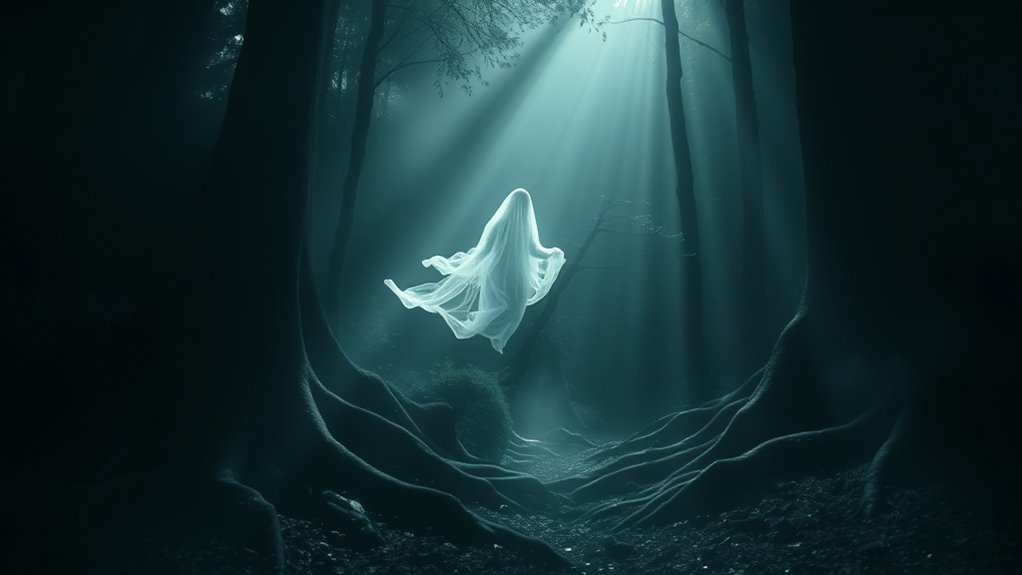
The belief in the supernatural, including ghost sightings, can be better understood through an evolutionary lens. Our instincts have shaped how we perceive potential threats, sometimes leading to the belief in ghosts.
Consider these factors:
- Paranoia: This survival mechanism drives you to overreact to ambiguous stimuli, heightening awareness of possible dangers.
- Agency Detection: Mistaking inanimate objects for threats reflects an evolutionary adaptation, influencing your perception of ghosts.
- Face Recognition: Your brain’s tendency to see human faces in random patterns enhances social interaction, further feeding these supernatural beliefs.
These evolutionary processes illustrate how our instincts and perceptions intertwine, ultimately shaping beliefs in the supernatural and reinforcing your cautious approach to perceived dangers.

TKENPRO 4G LTE Cellular Trail Cameras, 360° View Live Streaming Game Camera Built-in SIM Card with PIR Motion Activated, 2K Night Vision, No WiFi Needed IP65 Solar Security Camera Camo Print-2 Pack
【Built-in SIM Card & 4G LTE Trail Camera】Tkenpro Hunting Camera features a built-in SIM card for superior compatibility....
As an affiliate, we earn on qualifying purchases.
Cultural Influences Shaping Our Understanding of Ghosts
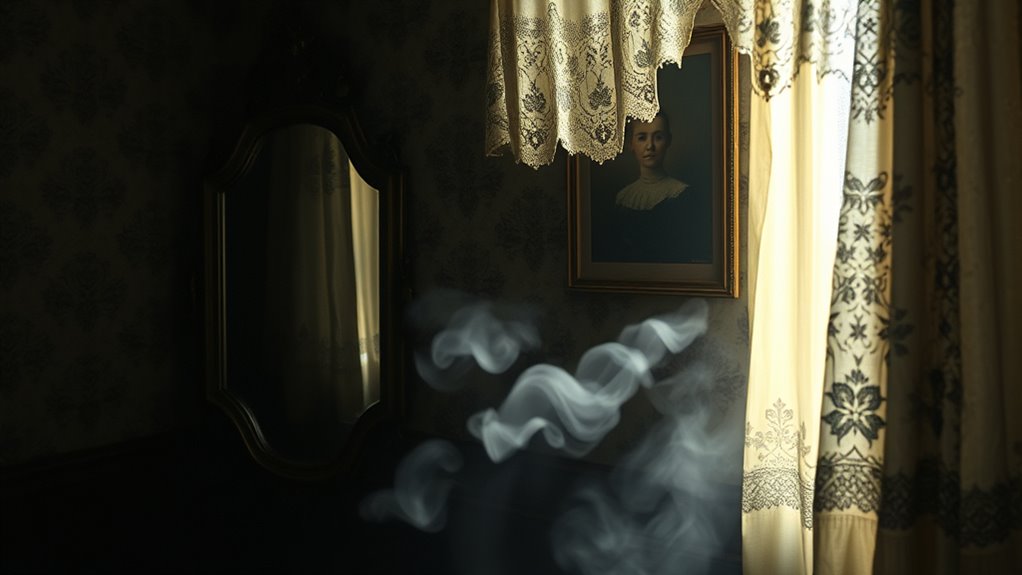
Cultural influences greatly shape how you and others understand ghosts, as beliefs often intertwine with religious faith and local traditions. Your belief in ghosts may stem from historical contexts and societal fears that color your perceptions of paranormal activity.
For instance, cultural traditions like Halloween and the Day of the Dead reflect deep-rooted afterlife perceptions, showcasing the ongoing presence of spirits. Ghost stories and urban legends thrive in various societies, often remaining undebunked, fueling fascination with supernatural explanations.
Notably, spiritual but non-religious individuals are more likely to report ghost encounters, suggesting that a lack of meaning in life can drive this interest. Furthermore, awareness of narcissistic behaviors can influence how individuals interpret and react to perceived paranormal experiences. Additionally, the soulmate angel numbers serve as a reminder that connections may transcend the physical realm, reinforcing the idea that spiritual entities can influence our lives. Ultimately, these cultural narratives play a critical role in shaping your understanding of the supernatural.
The Impact of External Factors on Perception and Belief
As you navigate the world of paranormal beliefs, it’s essential to recognize how external factors shape your perceptions. These influences can alter your perception of the world in surprising ways. Consider:
- Environmental Factors: Electromagnetic energy and infrasound can create unease or hallucination-like experiences, often leading to ghostly experiences. Additionally, professional help can assist individuals in understanding and processing their experiences. Studies have shown that low light office plants can also impact mood and perception, possibly enhancing feelings of unease in certain environments. Furthermore, certain zodiac signs may exhibit charismatic behaviors that influence how individuals perceive their surroundings, potentially affecting beliefs in the paranormal. The impact of essential oil safety can also play a role in creating a calming environment, which may help alleviate feelings of fear or anxiety.
- Psychological Traits: Vulnerability to pareidolia may cause you to see faces in random patterns, reinforcing your belief in the paranormal.
- Scientific Explanations: Conditions like sleep paralysis and the ideomotor effect illustrate how expectation can lead to perceived messages, emphasizing the need for critical thinking. Furthermore, AI technologies can analyze behavioral patterns to uncover the psychological factors influencing belief systems.
Frequently Asked Questions
What Counts as Paranormal Activity?
Paranormal activity includes any experiences or phenomena that seem to defy logical explanation.
If you’ve ever felt an unexplained presence, heard strange noises, or seen something that shouldn’t be there, you might categorize those moments as paranormal.
These occurrences often stir curiosity and wonder, prompting you to seek answers.
Whether it’s a shadow moving on its own or an eerie feeling in a room, if it’s unexplainable, it’s often considered paranormal.
Is There Any Proof of Paranormal Activity?
Imagine walking through a dark forest, feeling eyes on you, only to realize it’s just the wind.
When it comes to proof of paranormal activity, you’ll find that scientific evidence is largely absent.
Despite 41% of Americans believing in ghosts, only 20% claim to have experienced them.
Misinterpretations of sensory experiences often lead to these beliefs, so it’s essential to approach such claims with skepticism and critical thinking.
Why Do I Keep Having Paranormal Experiences?
You might keep having these experiences due to various factors influencing your perception.
Emotional states, cultural beliefs, and even environmental cues can shape how you interpret ambiguous situations. Sensory misinterpretations, like seeing faces in shadows, can also play a role.
If you’re feeling anxious or scared, your brain’s heightened sensitivity may amplify these experiences, making them feel more real.
It’s important to reflect on these influences and how they affect your interpretations.
Why Do Some People Not Have Paranormal Experiences?
Did you know that individuals with higher educational attainment are 30% less likely to believe in the paranormal?
If you find yourself not experiencing paranormal events, it might be due to your strong cognitive inhibition, allowing you to dismiss coincidences others might see as supernatural.
Your critical thinking skills and emotional state also play a role, as they shape how you interpret ambiguous situations, leading you to overlook what some perceive as ghostly encounters.
Conclusion
In the end, whether you chalk it up to paranormal activity or just your mind playing tricks, remember that your experiences are shaped by a blend of expectation, culture, and psychology. Just like a smartphone can amplify connections, your beliefs can enhance or distort what you perceive. Embrace the mystery, but stay grounded in reality. After all, sometimes a flicker of a light might just be the bulb burning out, not a ghostly visit.