Shopping for spiritual tarot card decks means choosing between two very different experiences: decks that stay close to the traditional 78-card Rider-Waite structure and decks that reinterpret the cards through nature, angels, goddesses, or animal spirits. After comparing 15 popular options, Light Seer’s Tarot stands out as the best overall pick — it keeps the familiar tarot structure while infusing every card with emotionally resonant, modern spiritual imagery. Soul Tarot is the strongest choice if healing and self-discovery drive your practice, while Woodland Wardens offers a gentler oracle-style alternative for readers who find traditional tarot symbolism heavy. The main tradeoff you’ll face: decks with richer artwork and deeper guidebooks usually cost more and can overwhelm beginners, while budget-friendly starter decks often lack the spiritual depth the category promises. Read on for the full breakdown, including which decks earned top marks for beginners, premium collectors, and intuitive readers.

Get books and cozy reading nights delivered free with Prime
- Fast, free delivery on millions of items
- Prime Video, Amazon Music and more included
- Member-only deals all year
Key Takeaways
- Light Seer’s Tarot earned the top spot because it balances traditional 78-card structure with accessible modern spiritual imagery — most competing decks sacrifice one for the other.
- Decks built on the Rider-Waite-Smith system (Guided Tarot Box Set, Celestial Tarot, classic Rider) consistently make learning easier, while reinterpretations like Spiritsong Tarot and The Hoodoo Tarot require more interpretive confidence from the reader.
- Oracle-style decks (Woodland Wardens, The Psychic Tarot Oracle) remove the intimidation of 78 cards but limit your ability to cross-reference books, courses, and communities built around standard tarot.
- Guidebook quality varied more than card quality across this lineup — Soul Tarot and The Hoodoo Tarot include substantial books, while several budget decks ship with pamphlets that barely scratch the surface.
- Premium art-focused decks like Ethereal Visions Illuminated Tarot trade practical reading comfort for collectible beauty; the gold foil and heavy stock are stunning but harder to shuffle and read reversals from.
| Light Seer’s Tarot: 78-Card Deck & Guidebook |  | Best Overall | Card count: 78 cards (full tarot structure) | Includes guidebook: Yes | Structure: Traditional Major and Minor Arcana | VIEW LATEST PRICE | See Our Full Breakdown |
| The Psychic Tarot Oracle Deck: A 65-Card Deck and Guidebook | 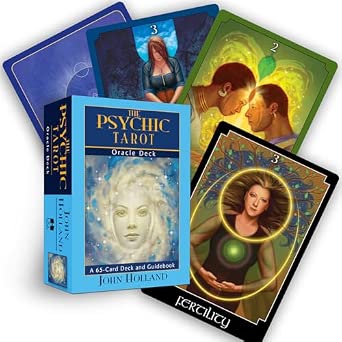 | Best for Intuitive Beginners | Card count: 65 cards | Structure: Oracle/tarot hybrid, non-traditional | Includes guidebook: Yes | VIEW LATEST PRICE | See Our Full Breakdown |
| Woodland Wardens: 52-Card Oracle Deck & Guidebook |  | Best for Meditation and Nature Connection | Card count: 52 cards | Deck type: Oracle (non-tarot structure) | Theme: Woodland flora and fauna | VIEW LATEST PRICE | See Our Full Breakdown |
| The Hoodoo Tarot: 78-Card Deck and Book for Rootworkers |  | Best for Tradition-Specific Practice | Card count: 78 cards | Structure: Traditional tarot framework with Hoodoo correspondences | Includes guidebook: Yes, with rootworking context | VIEW LATEST PRICE | See Our Full Breakdown |
| Spiritual Tarot Deck |  | Best for Experienced Readers | Card count: 78 cards | Structure: Traditional tarot | Includes guidebook: No detailed instructions included | VIEW LATEST PRICE | See Our Full Breakdown |
| Tarot Cards for Beginners, Classic Tarot Deck with Meanings, Durable Cards with Guide Book, Black |  | Best for Absolute Beginners | Number of Cards: 78 | Material: 350GSM paper | Card Size: 4.72″ x 2.75″ | VIEW LATEST PRICE | See Our Full Breakdown |
| Ethereal Visions Illuminated Tarot Deck – 80-Card Tarot with Gold Foil and Guidebook |  | Best Premium Art Deck | Number of Cards: 80 (78 + 2 bonus) | Illustration Style: Art Nouveau, hand-drawn | Special Features: Gold foil accents | VIEW LATEST PRICE | See Our Full Breakdown |
| Soul Tarot: A Deck and Guidebook for Healing and Self-Discovery |  | Best for Emotional Healing Work | Format: Deck and guidebook set | Focus: Healing and self-discovery | Intended Use: Intuitive readings, personal growth | VIEW LATEST PRICE | See Our Full Breakdown |
| Spiritsong Tarot: 78-Card Tarot Deck with Animal Spirit Guides |  | Best for Shamanic Animal Symbolism | Number of Cards: 78 | Theme: Animal spirit guides, shamanic symbolism | Artwork: Hand-drawn visionary illustrations | VIEW LATEST PRICE | See Our Full Breakdown |
| The Rider Tarot Deck®: Rider-Waite® Tarot Deck with Instruction Booklet |  | Best Classic Reference Deck | Deck Type: Rider-Waite® classic tarot | Number of Cards: 78 (standard tarot structure) | Included Items: Deck and instruction booklet | VIEW LATEST PRICE | See Our Full Breakdown |
| Celestial Tarot Deck – 78 Cosmic Tarot Cards with Guidebook |  | Best Cosmic Art Pick | Number of Cards: 78 | Major Arcana: 22 | Minor Arcana: 56 | VIEW LATEST PRICE | See Our Full Breakdown |
| Angel Wisdom Tarot: 78-Card Deck and Guidebook |  | Best for Gentle, Uplifting Readings | Number of Cards: 78 | Deck Type: Tarot with angelic theme | Included Components: Cards, guidebook | VIEW LATEST PRICE | See Our Full Breakdown |
| Guided Tarot Box Set: Illustrated Book & Rider Waite Smith Tarot Deck |  | Best Beginner Learning Set | Deck Type: Rider Waite Smith | Included Components: Tarot deck, illustrated guidebook | Format: Box set | VIEW LATEST PRICE | See Our Full Breakdown |
| The Goddess Tarot Deck |  | Best for Divine Feminine Practice | Deck Type: Themed tarot (goddess mythology) | Included Components: Cards only | Reading Style: Self-discovery and empowerment | VIEW LATEST PRICE | See Our Full Breakdown |
| True Heart Intuitive Tarot, Guidebook and Deck |  | Best for Intuitive Development | Included Components: Tarot deck, guidebook | Reading Style: Intuition-driven interpretation | Skill Level: Beginner and experienced | VIEW LATEST PRICE | See Our Full Breakdown |
| spiritual tarot card deck | Format |
|---|---|
| Light Seer’s Tarot: 78-Card De | Deck and guidebook set |
| The Psychic Tarot Oracle Deck: | Deck and guidebook set |
| Woodland Wardens: 52-Card Orac | Deck and guidebook set |
| The Hoodoo Tarot: 78-Card Deck | Deck and book set |
| Spiritual Tarot Deck | Deck only |
| Tarot Cards for Beginners | — |
| Ethereal Visions Illuminated T | — |
| Soul Tarot: A Deck and Guidebo | Deck and guidebook set |
| Spiritsong Tarot: 78-Card Taro | — |
| The Rider Tarot Deck®: Rider-W | — |
| Celestial Tarot Deck | — |
| Angel Wisdom Tarot: 78-Card De | — |
| Guided Tarot Box Set: Illustra | Box set |
| The Goddess Tarot Deck | — |
| True Heart Intuitive Tarot | Deck and guidebook set |
More Details on Our Top Picks
Light Seer’s Tarot: 78-Card Deck & Guidebook
The Light Seer’s Tarot earns the top spot because it balances everything a spiritual reader wants: vibrant, emotionally readable artwork, a full 78-card structure, and a guidebook that speaks in plain, soul-centered language. Compared with the The Psychic Tarot Oracle Deck, which replaces traditional tarot structure with a 65-card intuitive system, this deck keeps the familiar Major and Minor Arcana intact, so it plays well with books, classes, and online resources. Where the Spiritual Tarot Deck assumes prior knowledge, Light Seer’s invites newcomers without dumbing things down. The tradeoff: its warm, contemporary art departs from classic Rider-Waite imagery, so readers who want traditional symbolism — or who already own the Rider Tarot Deck — may find the reinterpretations occasionally loose. For a primary spiritual deck, though, this pick makes the most sense for the widest range of buyers.
Pros:- Vibrant, emotionally expressive artwork that makes readings intuitive
- Complete 78-card structure compatible with standard tarot resources
- Detailed guidebook accessible to both beginners and experienced readers
- Strong emphasis on self-discovery and healing-oriented interpretation
Cons:- Artistic reinterpretations stray from traditional Rider-Waite symbolism
- Guidebook card meanings are brief rather than exhaustive
Best for: Readers of any level who want one versatile, intuitive deck for daily spiritual pulls and full spreads
Not ideal for: Traditionalists who need strict Rider-Waite symbolism for study or professional readings
- Card count:78 cards (full tarot structure)
- Includes guidebook:Yes
- Structure:Traditional Major and Minor Arcana
- Art style:Vibrant contemporary illustration
- Experience level:Beginner to advanced
- Primary use:Intuitive reading, self-discovery
- Format:Deck and guidebook set
Our verdict“If you want a single spiritual tarot deck you won’t outgrow, this is the one to buy.”
The Psychic Tarot Oracle Deck: A 65-Card Deck and Guidebook
This option stands out for readers who find 78-card tarot overwhelming. By trimming the structure to 65 cards and leaning on intuitive prompts rather than memorized meanings, it removes the biggest barrier for newcomers — the fear of getting it wrong. Compared with the Light Seer’s Tarot, it sacrifices the traditional framework, which means it won’t teach you tarot itself; anyone hoping to eventually read Rider-Waite-style decks will outgrow this quickly. Unlike the Woodland Wardens oracle, it blends tarot-inspired cards with chakra and energy cards, giving readings more spiritual range. The included guidebook is genuinely helpful rather than an afterthought. The real tradeoff is interpretive freedom: with fewer fixed meanings, readings depend heavily on your own intuition, which can feel ungrounded for literal-minded users.
Pros:- Beginner-friendly 65-card system that lowers the learning curve
- Comprehensive guidebook written in accessible language
- Blends tarot, chakra, and energy cards for broader spiritual readings
- Works for both novices and experienced intuitive readers
Cons:- Non-standard card count limits compatibility with tarot spreads and reference books
- Sparse official documentation on card themes and materials
Best for: Complete beginners and intuitive readers who want spiritual guidance without memorizing traditional tarot meanings
Not ideal for: Anyone studying formal tarot structure, since the 65-card system doesn’t map to standard spreads and decks
- Card count:65 cards
- Structure:Oracle/tarot hybrid, non-traditional
- Includes guidebook:Yes
- Special features:Chakra and energy cards included
- Experience level:Beginner-friendly
- Primary use:Intuitive readings, spiritual guidance
- Format:Deck and guidebook set
Our verdict“A smart entry point for intuition-first readers, but a dead end for those wanting formal tarot training.”
Woodland Wardens: 52-Card Oracle Deck & Guidebook
The Woodland Wardens deck is the quiet favorite of this lineup — a 52-card oracle built around woodland flora and fauna, best used for daily meditation draws rather than elaborate spreads. Compared with The Psychic Tarot Oracle Deck, it’s more thematic and cohesive: every card belongs to one visual world, which makes it a beautiful tool for reflective journaling. The artwork is genuinely lovely, arguably the strongest illustration work among the oracle options here. The tradeoff is depth — with 52 cards and no tarot structure, it can’t answer complex multi-question readings the way the Light Seer’s Tarot can. The guidebook is solid but the publisher’s documentation on card stock and dimensions is thin, so buyers sensitive to materials are taking a small chance. This model is better suited to contemplative practice than predictive divination.
Pros:- Cohesive, beautifully illustrated woodland theme
- Guidebook supports both beginners and experienced oracle users
- Ideal for meditation and reflective daily practice
- Simpler 52-card format feels manageable and calming
Cons:- Oracle format lacks tarot’s structural depth for complex readings
- Little official information available on card materials and dimensions
Best for: Nature-loving readers who want a calming deck for daily meditation, journaling, and single-card reflection
Not ideal for: Readers who need multi-card spreads for detailed situational questions — the oracle format can’t support that depth
- Card count:52 cards
- Deck type:Oracle (non-tarot structure)
- Theme:Woodland flora and fauna
- Includes guidebook:Yes
- Primary use:Meditation, reflection, divination practice
- Experience level:Beginner to experienced
- Format:Deck and guidebook set
Our verdict“Choose this for peaceful, nature-infused reflection — not for structured tarot readings.”
The Hoodoo Tarot: 78-Card Deck and Book for Rootworkers
Among decks in this roundup, The Hoodoo Tarot is the most culturally specific — a full 78-card deck built on rootwork and Hoodoo symbolism, paired with a substantive guidebook. Where the Light Seer’s Tarot offers universal spiritual appeal, this deck demands engagement with a living tradition: its imagery, card names, and interpretive lens only fully make sense within Hoodoo practice. That’s precisely its strength and its limitation. Compared with The Goddess Tarot Deck, which reshapes tarot through one mythological lens while keeping meanings broadly accessible, the Hoodoo Tarot asks more of the reader and gives more back in depth. The card production quality holds up to regular ritual use. The honest tradeoff: without familiarity with Hoodoo traditions, much of the symbolic richness will pass you by, and casual buyers may find the deck’s specificity excludes them.
Pros:- Authentic, rich Hoodoo symbolism integrated throughout the 78 cards
- Guidebook doubles as an introduction to rootwork traditions
- High-quality card design suited to regular ritual use
- Full tarot structure supports standard spreads
Cons:- Requires cultural and traditional context to read meaningfully
- Card meanings are thinly documented outside the companion book
Best for: Practitioners and students of Hoodoo and rootwork who want a tarot deck aligned with their spiritual tradition
Not ideal for: General-interest tarot collectors with no background in Hoodoo, who will miss most of the deck’s meaning and context
- Card count:78 cards
- Structure:Traditional tarot framework with Hoodoo correspondences
- Includes guidebook:Yes, with rootworking context
- Theme:Hoodoo tradition and rootwork
- Primary use:Divination, spiritual work, tradition study
- Experience level:Best for readers familiar with the tradition
- Format:Deck and book set
Our verdict“A deeply rewarding deck if Hoodoo is your path; a confusing purchase if it isn’t.”
Spiritual Tarot Deck
The Spiritual Tarot Deck occupies a different niche than most picks here: it’s a 78-card deck with symbolic, meditation-oriented imagery and almost no hand-holding. Unlike the Guided Tarot Box Set or the Light Seer’s Tarot, both of which wrap the deck in beginner instruction, this one assumes you already read tarot and simply want a contemplative, spiritually focused tool. That makes it a pleasure for experienced readers tired of redundant instruction booklets — and a frustrating buy for newcomers, since the lack of detailed guidance means you’ll lean on external references or your own interpretation. The illustration work rewards slow looking, which suits meditation and shadow-work sessions. The core tradeoff is simple: it offers atmosphere and depth for practiced readers, at the cost of accessibility that beginners genuinely need.
Pros:- Full 78-card tarot structure for standard spreads
- Symbolic artwork well suited to meditation and inner work
- Focused spiritual and self-discovery orientation
- No redundant beginner material — respects the reader
Cons:- No detailed instructions included in the package
- Assumes prior tarot knowledge, unlike most decks in this roundup
Best for: Confident tarot readers who want a contemplative deck for meditation and spiritual self-discovery without beginner padding
Not ideal for: New tarot readers, who will struggle without included instructions or detailed card meanings
- Card count:78 cards
- Structure:Traditional tarot
- Includes guidebook:No detailed instructions included
- Art style:Symbolic, meditation-oriented imagery
- Experience level:Intermediate to advanced
- Primary use:Meditation, insight, spiritual self-discovery
- Format:Deck only
Our verdict“A rewarding contemplative deck for readers who already know what they’re doing — everyone else should start with the Light Seer’s.”
Tarot Cards for Beginners, Classic Tarot Deck with Meanings, Durable Cards with Guide Book, Black
Learning tarot is easier when the interpretation is printed right in front of you, and that is exactly what this KLEDERY deck does: each of the 78 cards carries meanings for both upright and reversed positions, removing the constant guidebook-flipping that slows down new readers. Compared with the Rider Tarot Deck, which offers only a thin instruction booklet, this set bundles a fuller guidebook plus a flock storage bag, making it the more complete starter package. The 350GSM card stock also holds up to daily shuffling better than most entry-level decks. The tradeoff is aesthetic — the minimalist black design lacks the intricate artistry of the Ethereal Visions Illuminated Tarot, so readers who want a visually rich experience may outgrow it quickly.
Pros:- Meanings printed on every card in both upright and reversed positions
- Thick 350GSM card stock survives heavy daily shuffling
- Complete starter kit with guidebook and protective storage bag
- Follows classic Waite symbolism, so it transfers to most tarot resources
Cons:- Minimalist design may feel plain compared to illustrated decks
- On-card text can become a crutch that slows memorization
- Little appeal for experienced readers seeking depth or artistry
Best for: Complete beginners who want meanings printed on the cards so they can practice readings without memorizing anything first
Not ideal for: Intermediate or advanced readers who already know card meanings and want richer, more collectible artwork
- Number of Cards:78
- Material:350GSM paper
- Card Size:4.72″ x 2.75″
- Card Meanings:Printed on cards, upright and reversed
- Included Items:Tarot cards, guidebook, storage bag
- Manufacturer:KLEDERY
Our verdict“This deck makes the most sense for someone shuffling their first spread who wants everything they need in one inexpensive box.”
Ethereal Visions Illuminated Tarot Deck – 80-Card Tarot with Gold Foil and Guidebook
For buyers whose spiritual practice is inseparable from beauty, this deck stands out for its 80 hand-drawn Art Nouveau illustrations finished with gold foil accents — a level of production the KLEDERY beginner deck and even the classic Rider deck simply don’t attempt. The extra two cards give readers additional options for customized spreads, and the 140-page full-color guidebook is far more substantial than the booklets typically bundled with mass-market decks. The tradeoff is cost and uncertainty: at this price point, buyers might expect confirmed details on card stock and dimensions, and neither is clearly documented. Compared with the Spiritsong Tarot, this deck leans decorative and luminous rather than nature-based, so the choice comes down to which visual language feeds your intuition.
Pros:- Stunning hand-drawn Art Nouveau artwork with gold foil accents
- Two bonus cards beyond the standard 78 for flexible spreads
- Substantial 140-page full-color guidebook
- Accessible enough for beginners while satisfying collectors
Cons:- Premium price for what is ultimately a decorative choice
- Card stock quality and dimensions are not clearly documented
- Ornate style may distract readers who prefer clean, readable symbolism
Best for: Collectors and ritual-focused readers who treat their deck as a sacred object and want luxurious, gift-worthy presentation
Not ideal for: Budget buyers or pragmatists who see a deck as a working tool and would rather pay for durability than gold foil
- Number of Cards:80 (78 + 2 bonus)
- Illustration Style:Art Nouveau, hand-drawn
- Special Features:Gold foil accents
- Guidebook:140 pages, full color
- Audience:Beginners and collectors
Our verdict“This pick makes the most sense for readers who want their deck to feel like a gilded artifact rather than a learning tool.”
Soul Tarot: A Deck and Guidebook for Healing and Self-Discovery
Where most decks in this lineup optimize for divination or aesthetics, Soul Tarot is built entirely around healing and self-discovery, framing each reading as a tool for emotional well-being rather than fortune-telling. That therapeutic orientation sets it apart from the Ethereal Visions deck, which is more about visual splendor, and from the Spiritsong Tarot, which channels its spirituality through animal symbolism instead. The paired guidebook is designed to support both beginners and experienced users doing inner work, which makes it a strong fit for journaling or therapy-adjacent practices. The honest tradeoff: documentation is thin. Card meanings, deck dimensions, and card counts are underspecified compared with better-documented rivals, so buyers are trusting the concept more than the specs.
Pros:- Purpose-built for healing and self-discovery rather than prediction
- Deck and guidebook designed to work together as a system
- Welcoming to both beginners and seasoned readers
- Strong fit for journaling and reflective daily-pull practices
Cons:- Very limited published details on card meanings and deck specifics
- Few or no customer reviews to validate quality
- Less useful for traditional tarot spreads and divination study
Best for: Readers using tarot for journaling, shadow work, or emotional processing rather than predictive readings
Not ideal for: Buyers who want detailed specs, established reviews, or a traditional divination-focused deck with documented structure
- Format:Deck and guidebook set
- Focus:Healing and self-discovery
- Intended Use:Intuitive readings, personal growth
- Skill Level:Beginners and experienced users
- Guidebook:Included, instructional
Our verdict“Choose this deck if your tarot practice is about processing feelings, and skip it if you want a rigorously documented divination tool.”
Spiritsong Tarot: 78-Card Tarot Deck with Animal Spirit Guides
This deck pairs the familiar 78-card tarot structure with hand-drawn animal spirit guides and shamanic symbolism, giving readers an intuitive shortcut — most people feel an immediate emotional pull toward certain animals, which speeds up interpretation. The 108-page guidebook is more generous than the Rider deck’s slim booklet, though lighter than the Ethereal Visions 140-page tome. Compared with Soul Tarot, its spirituality is earthier and more external — connecting to spirit animals and nature — rather than inwardly therapeutic. The main tradeoff is the learning curve: the animal substitutions for traditional Rider-Waite imagery mean readers trained on classic decks will need to rebuild some of their symbolic associations from scratch.
Pros:- Beautiful hand-drawn visionary artwork throughout
- Animal guides make symbolism feel intuitive and emotionally immediate
- Substantial 108-page guidebook supports confident readings
- Retains the full 78-card tarot structure for standard spreads
Cons:- Non-traditional imagery requires relearning symbolism for classic-deck readers
- Assumes some familiarity with tarot structure and shamanic concepts
- No digital companion or supplementary learning tools
Best for: Nature-oriented readers and those drawn to shamanic practice who connect intuitively with animal symbolism
Not ideal for: Readers steeped in Rider-Waite tradition who don’t want to relearn symbolic associations, or anyone wanting a purely conventional deck
- Number of Cards:78
- Theme:Animal spirit guides, shamanic symbolism
- Artwork:Hand-drawn visionary illustrations
- Guidebook:108 pages
- Intended Use:Readings and spiritual guidance
Our verdict“This pick makes the most sense for readers whose spiritual path runs through nature and animal medicine rather than classical Western iconography.”
The Rider Tarot Deck®: Rider-Waite® Tarot Deck with Instruction Booklet
Every other deck in this roundup is a reinterpretation; the Rider-Waite is the original most of them reinterpret. Its imagery is the shared language of tarot — nearly every book, course, and app teaches through these symbols, which makes it the most future-proof purchase here. Compared with the KLEDERY beginner deck, it skips on-card meanings and a storage bag, but offers authentic iconography that a learner will never outgrow. Against art-forward options like the Ethereal Visions deck, it is plainer and cheaper, yet far more practical for study. The tradeoffs are real: the included instruction booklet is thin, card quality is a step below premium decks, and there are no accessories, so serious beginners may want to pair it with a separate guidebook.
Pros:- Authentic Rider-Waite imagery — the standard reference for nearly all tarot resources
- Suitable for every skill level, from first reading to professional practice
- Affordable and widely available with abundant third-party study material
- Traditional symbolism transfers directly to most other decks
Cons:- Instruction booklet is minimal compared with the full guidebooks rivals include
- Card stock and finish are basic rather than premium
- No accessories such as a storage box or bag
Best for: Students of tarot who want the canonical deck that virtually all learning materials reference
Not ideal for: Buyers seeking an all-in-one gift set with a rich guidebook, storage, or artistic flourishes
- Deck Type:Rider-Waite® classic tarot
- Number of Cards:78 (standard tarot structure)
- Included Items:Deck and instruction booklet
- Skill Level:Beginners through experienced readers
- Artwork:Original Rider-Waite® imagery
Our verdict“If you want one deck to learn tarot properly and never outgrow, this classic is the default choice — just budget for a separate guidebook.”
Celestial Tarot Deck – 78 Cosmic Tarot Cards with Guidebook
Among the decks in this roundup, this one stands out for artwork that actively supports intuitive reading. The swirling galaxy and moon imagery gives readers visual anchors that the more minimalist Rider Tarot Deck simply doesn’t offer, which makes it easier to read without memorizing keywords. Compared with The Goddess Tarot Deck, which leans on mythology you may or may not know, the celestial theme is universally approachable. The 400 GSM coated cardstock is a real step up from typical budget decks and holds up to daily shuffling, and the included guidebook bridges beginner and experienced readers. The tradeoff: at 2.74″ x 4.72″, the cards run slightly smaller than standard, so readers with larger hands may find handling awkward during long spreads.
Pros:- Stunning cosmic artwork that strengthens intuitive connections
- Thick 400 GSM cardstock built for long-term shuffling
- Guidebook serves both beginners and experienced readers
- Comes boxed, making it a ready gift for spiritual enthusiasts
Cons:- Slightly smaller card size than standard tarot dimensions
- Best results require some familiarity with tarot symbolism
Best for: Readers who want a durable, visually rich deck where the artwork does interpretive work for them
Not ideal for: Readers with large hands or those wanting full-size cards for elaborate multi-card spreads
- Number of Cards:78
- Major Arcana:22
- Minor Arcana:56
- Card Size:2.74″ x 4.72″ (70 mm x 120 mm)
- Material:400 GSM coated paper
- Included Components:Cards, box, guidebook
- Recommended Age:14 years and up
Our verdict“This pick makes the most sense for readers who want a resilient, gorgeous deck whose imagery carries the interpretation.”
Angel Wisdom Tarot: 78-Card Deck and Guidebook
Where the Hoodoo Tarot goes deep into rooted, work-focused tradition, this deck aims the opposite direction: soft, encouraging, angelic guidance. That tone matters for buyers — if you read for anxious friends or want a deck for daily affirmation-style pulls rather than hard-edged shadow work, this is the better fit. Compared with the Celestial Tarot Deck, the artwork here is warmer and more pastoral than cosmic, and the guidebook leans toward comforting spiritual messages rather than dense symbolism. The full 78-card structure keeps it a true tarot deck rather than an oracle, unlike the Woodland Wardens 52-card set. The tradeoff is temperament: readers who want blunt, confrontational interpretations will find this deck too gentle, and it assumes some prior tarot fluency.
Pros:- Warm, comforting guidance style ideal for sensitive readings
- Full 78-card tarot structure with a comprehensive guidebook
- Beautifully illustrated angelic symbolism
- Well suited to daily one-card pulls and self-care rituals
Cons:- Gentle tone can feel evasive for readers wanting direct answers
- Assumes some prior tarot knowledge to use confidently
Best for: Readers seeking a soothing, affirmation-oriented deck for daily guidance and reading for others
Not ideal for: Readers who prefer direct, challenging interpretations or shadow work — the tone is deliberately gentle
- Number of Cards:78
- Deck Type:Tarot with angelic theme
- Included Components:Cards, guidebook
- Reading Style:Spiritual guidance and affirmation-oriented
- Skill Level:Intermediate-friendly
Our verdict“Choose this deck if you want tarot that comforts rather than confronts; skip it if you like your readings blunt.”
Guided Tarot Box Set: Illustrated Book & Rider Waite Smith Tarot Deck
This option stands out as the most structured learning package in the lineup. Pairing the classic Rider Waite Smith deck with a full illustrated book, it removes the biggest beginner pain point: buying a deck and a teach-yourself resource separately. Compared with the Rider Tarot Deck alone, which ships with only a thin instruction booklet, this box set gives newcomers a real curriculum for building interpretive skills. It also beats the True Heart Intuitive Tarot for pure learning value because Rider Waite Smith is the deck virtually every tarot book, course, and online resource references — you’re learning the shared language of tarot, not one artist’s personal system. The drawback: the deck itself is standard-issue, so readers who fall in love with tarot’s artistic side will likely outgrow it and want something like the Ethereal Visions Illuminated Tarot later.
Pros:- Combines the industry-standard Rider Waite Smith deck with a full illustrated guidebook
- RWS symbolism is the reference point for nearly all tarot learning resources
- Structured lessons suit absolute beginners
- Single-purchase convenience for starting from zero
Cons:- Plain, standard artwork with little collectible appeal
- Card quality is basic compared with premium decks in this roundup
Best for: Complete beginners who want one purchase that teaches tarot properly from day one
Not ideal for: Experienced readers or collectors — the stock RWS imagery won’t add anything new to a practiced collection
- Deck Type:Rider Waite Smith
- Included Components:Tarot deck, illustrated guidebook
- Format:Box set
- Skill Level:Beginner-focused
- Reading Style:Guided metaphysical instruction
Our verdict“The smartest first purchase for anyone learning tarot seriously — just expect to graduate to a more distinctive deck later.”
The Goddess Tarot Deck
This deck carves out a distinct niche: goddess mythology as the interpretive engine. Where the Angel Wisdom Tarot delivers gentle guidance, this deck offers something more grounding — readings framed through archetypes of feminine divinity, which many readers find powerful for self-discovery and empowerment work. Compared with the Celestial Tarot Deck, the mythology here is richer and more story-driven, rewarding readers who enjoy studying the traditions behind each card. That depth is also the tradeoff: without an included guidebook, you’re dependent on external knowledge of the goddess traditions, which makes it less forgiving for newcomers than the guided Guided Tarot Box Set. For practiced readers building a collection of themed decks, though, this one earns its place through artwork and thematic coherence alone.
Pros:- Distinct goddess mythology theme with rich, story-driven artwork
- Well suited to empowerment and self-discovery readings
- Works for both personal ritual and reading for clients
- A long-standing favorite with a devoted following
Cons:- No guidebook included, so it relies on external references
- Thematic depth rewards prior tarot knowledge and punishes newcomers
Best for: Readers connected to goddess spirituality who want a themed deck for empowerment and self-discovery readings
Not ideal for: Beginners who need included documentation — no guidebook means you must already understand tarot structure
- Deck Type:Themed tarot (goddess mythology)
- Included Components:Cards only
- Reading Style:Self-discovery and empowerment
- Skill Level:Beginner to experienced (guidebook required separately)
- Theme:Goddess archetypes and feminine divinity
Our verdict“A rewarding deck for experienced readers rooted in divine feminine practice; frustrating for anyone still learning card basics.”
True Heart Intuitive Tarot, Guidebook and Deck
Most decks in this roundup teach you to read cards; this one is built to teach you to trust your own intuition. The guidebook is pitched at developing intuitive reading skills rather than drilling fixed meanings, which sets it apart from the memorization-heavy Guided Tarot Box Set. Compared with the Angel Wisdom Tarot, which supplies gentle answers, this deck pushes the reader to generate their own — a meaningful difference for anyone using tarot as a personal growth tool rather than a fortune-telling prop. The illustrated cards support free-association reading, and the deck-and-book pairing makes it approachable for motivated beginners. The tradeoff: buyers who want precise published specs like card dimensions and stock weight won’t find them clearly listed, and readers who prefer traditional, rule-based tarot structure may find the intuitive approach too open-ended.
Pros:- Guidebook specifically trains intuitive reading skills
- Deck-and-book pairing works for motivated beginners
- Encourages personal interpretation over rote memorization
- Well suited to journaling and self-reflection practices
Cons:- Sparse published details on card size, count, and materials
- Open-ended approach frustrates readers who want definitive card meanings
Best for: Readers using tarot for personal growth who want to develop their own interpretive voice
Not ideal for: Readers who want strict traditional meanings and clearly documented card specs
- Included Components:Tarot deck, guidebook
- Reading Style:Intuition-driven interpretation
- Skill Level:Beginner and experienced
- Format:Deck and guidebook set
- Focus:Personal insight and intuitive development
Our verdict“Pick this if your goal is building intuition rather than memorizing tarot; skip it if you want a rigid traditional system.”
How We Picked
I evaluated each deck against four criteria that matter most to buyers in this category. Symbolic accessibility came first: how easily can a reader connect with the imagery during a spiritual practice, and does the deck work for both intuitive reading and structured study? Guidebook depth was weighted heavily because spiritual practitioners tend to rely on companion books for meditation prompts, card meanings, and ritual context — a thin pamphlet undermines the deck’s long-term value. Card production quality covered stock durability, finish, shuffle feel, and whether edge gilding or unusual sizing helped or hindered daily use. Finally, I assessed structural fidelity: whether each deck follows the 78-card tarot system or departs into oracle territory, and what that means for a buyer’s learning path.
The ranking reflects a simple logic: decks that serve the broadest range of spiritual readers ranked highest, while niche decks earned places for excelling within their specific lane. A beginner-friendly deck with a strong guidebook beats a beautiful deck with a weak one, and a deck that bridges tradition and innovation beats one that only innovates. Budget picks were held to the same standard — a low price never excused an unusable guidebook or flimsy stock, which is why some cheaper options rank below mid-priced competitors.
| spiritual tarot card deck | Format |
|---|---|
| Light Seer’s Tarot: 78-Card De | Deck and guidebook set |
| The Psychic Tarot Oracle Deck: | Deck and guidebook set |
| Woodland Wardens: 52-Card Orac | Deck and guidebook set |
| The Hoodoo Tarot: 78-Card Deck | Deck and book set |
| Spiritual Tarot Deck | Deck only |
| Tarot Cards for Beginners | — |
| Ethereal Visions Illuminated T | — |
| Soul Tarot: A Deck and Guidebo | Deck and guidebook set |
| Spiritsong Tarot: 78-Card Taro | — |
| The Rider Tarot Deck®: Rider-W | — |
| Celestial Tarot Deck | — |
| Angel Wisdom Tarot: 78-Card De | — |
| Guided Tarot Box Set: Illustra | Box set |
| The Goddess Tarot Deck | — |
| True Heart Intuitive Tarot | Deck and guidebook set |
Factors to Consider When Choosing Spiritual Tarot Card Decks
Before settling on a deck, it helps to understand the broader landscape of spiritual tarot and the mistakes buyers make most often. These factors shaped my rankings and should shape your decision too.Traditional Structure vs. Spiritual Reinterpretation
The single biggest decision is whether you want a deck anchored to the Rider-Waite-Smith tradition or one that reimagines the cards entirely. Traditional structure isn’t about being old-fashioned — it’s about access. Nearly every tarot book, online course, YouTube tutorial, and reading community assumes you’re working with that system, so a structurally faithful deck lets you learn from the entire ecosystem of tarot knowledge. Decks like The Hoodoo Tarot and Spiritsong Tarot remap the suits and archetypes to specific spiritual traditions, which can be deeply meaningful if that tradition resonates with you, but frustrating if you’re still learning fundamentals. A common mistake is buying a heavily reinterpreted deck as a first deck, then struggling because none of your study materials match your cards. If you’re drawn to a nontraditional deck, consider pairing it with a classic Rider-Waite later for cross-reference.
Tarot vs. Oracle: Know Which You’re Buying
Many products marketed as spiritual card decks are actually oracle decks, not tarot decks, and the difference matters more than most listings admit. Tarot has a fixed 78-card structure with majors, minors, and suits; oracle decks are free-form, ranging from 40 to 65 cards with whatever system the creator designed. Oracle decks like Woodland Wardens are wonderful for daily intention-setting and gentle guidance, but they can’t be used with tarot spreads that depend on suit dynamics or court card hierarchies. The reverse is also true: buying a full tarot deck when you wanted simple morning inspiration can feel like homework. Before purchasing, check the card count and description carefully — the listings in this category blur the line constantly, and returns on opened decks are often restricted.
Guidebook Quality Determines Long-Term Value
The companion book is where budget decks and premium decks diverge most sharply, and it’s the factor buyers most often underestimate. A strong guidebook does three things: explains each card’s meaning in plain language, connects the imagery to a spiritual framework, and suggests ways to use the card in reflection or ritual. Decks at the top of my rankings, like Soul Tarot and The Hoodoo Tarot, include books substantial enough to stand alone as spiritual texts. Cheaper decks frequently ship with a folded pamphlet listing keywords only, which forces you to buy separate reference material — erasing the savings. If a listing doesn’t mention the guidebook’s page count or depth, assume it’s minimal, and factor a separate beginner’s tarot book into the total cost before comparing prices.
Card Stock, Finish, and Shuffle Feel
Production quality affects whether a deck becomes a daily tool or a shelf decoration. Gilded edges and matte finishes photograph beautifully and suit meditation altars, but gilded edges can stick together when the deck is new, and heavily textured finishes make cards harder to riffle-shuffle. Standard 350gsm stock with a linen or smooth finish tends to hold up best for frequent use, while thin stock curls at the corners within months of daily handling. Oversized cards, common in art-forward decks, offer stunning detail but punish readers with smaller hands and won’t fit standard tarot bags or boxes. If you plan to travel with your deck or read for clients, durability and handling should outweigh aesthetics — a lesson several gorgeous decks in this category make painfully clear.
Matching the Deck to Your Spiritual Path
Spiritual tarot is not one path, and the right deck depends on which framework speaks to you. Decks built around angelic wisdom, goddess archetypes, animal spirits, or ancestral traditions each serve a distinct practice, and choosing the wrong framework can leave beautiful cards untouched. The Goddess Tarot centers feminine divinity across cultures; The Hoodoo Tarot is rooted in rootwork and requires cultural context to use respectfully; Angel Wisdom Tarot suits practitioners who work with benevolent guidance rather than shadow exploration. Ask yourself what you actually do with cards — daily affirmation, shadow work, divination for others, meditation focus — and choose imagery that supports that practice. The most common regret I see reported isn’t quality; it’s buyers choosing a deck for its cover art rather than its worldview.
When to Pay More — and When Not To
Premium decks typically cost two to three times a standard deck, and the money buys art quality, gilding, heavier stock, and better packaging — not better divination. Pay more when the deck is a long-term companion you’ll use daily, when the artwork genuinely deepens your connection to the cards, or when the guidebook is a substantial work in its own right. Skip the premium tier if you’re a beginner still discovering your style; an inexpensive classic deck teaches the same system for a fraction of the cost. One overlooked middle path: box sets that bundle a quality deck with a full-length teaching book, like the Guided Tarot Box Set, often deliver more learning value per dollar than a collectible deck alone. Buy cheap to learn, buy premium once you know what you love — that sequencing saves most buyers real money.
Frequently Asked Questions
Should my first spiritual tarot deck be traditional or nontraditional?
For most beginners, a deck that follows the Rider-Waite-Smith structure is the safer first purchase, even if the artwork is modern. Because nearly all tarot learning resources reference that system, a structurally faithful deck like Light Seer’s Tarot or Celestial Tarot lets you follow books, apps, and tutorials without constant translation. Nontraditional decks aren’t worse — Spiritsong Tarot and The Hoodoo Tarot are excellent — but they assume you can interpret cards through their unique framework, which is harder while you’re still memorizing basics. A reasonable compromise many readers take: start with one accessible traditional deck, then add a nontraditional deck as your second once your intuitive confidence develops. The exception is if a specific spiritual tradition is the entire reason you’re drawn to cards, in which case start with the deck built for that path.
Can I use an oracle deck like Woodland Wardens instead of a full tarot deck?
You can, but understand what you’re giving up. Oracle decks work beautifully for daily guidance, intention-setting, and gentle self-reflection — the activities many spiritual practitioners actually do most often. What they can’t replicate is tarot’s structural depth: the suit dynamics, numbered progressions, and major/minor arcana interplay that make complex multi-card spreads meaningful. If you mainly want a morning card to meditate on, an oracle deck may serve you better than tarot and feel far less intimidating. If you eventually want to read Celtic Cross spreads, study Kabbalistic correspondences, or read for others, you’ll need a true 78-card deck. Many practitioners eventually own one of each, using the oracle for daily practice and tarot for deeper inquiry.
Are gold-foil premium decks like Ethereal Visions worth the extra cost?
It depends entirely on how you’ll use them. Premium finishes reward collectors, altar-focused practitioners, and readers who connect deeply with art — if beautiful imagery genuinely deepens your meditation, the premium price pays for itself in engagement. The tradeoffs are real, though: gilded edges often stick when new, heavier art-stock can resist smooth shuffling, and intricate illuminated designs can make reversed cards harder to read at a glance. For daily pulls, travel, or reading for clients, a standard-finish deck usually performs better. A practical approach is to buy the premium deck you love as a keeper and keep a durable standard deck for heavy rotation. What premium decks don’t buy you is accuracy or spiritual depth — that comes from your relationship with the cards, not the foil.
How much does the guidebook actually matter if I can learn meanings online?
More than you’d expect, because a good guidebook does something free online resources don’t: it interprets each card through that specific deck’s imagery and spiritual framework. Generic online meanings describe the Rider-Waite card, so when your deck’s Three of Cups shows different symbolism, you’re left translating on your own. Decks like Soul Tarot and The Goddess Tarot include books where the meaning is inseparable from the artwork’s intent, which dramatically speeds up your connection to the deck. There’s also a practical ritual aspect — many practitioners find the physical act of reading the companion book part of the practice itself. If you plan to rely on online resources, prioritize structurally traditional decks where those resources actually match your cards.
Is it disrespectful to use a deck rooted in a specific tradition like The Hoodoo Tarot if it’s not my background?
This is a genuine question worth asking before buying, and the honest answer is that it depends on your approach. The Hoodoo Tarot comes with a substantial book explaining rootwork history, terminology, and cultural context, and engaging seriously with that material — rather than just liking the aesthetic — is the baseline for respectful use. Practitioners of that tradition have expressed valid concerns about spiritual systems being treated as decoration, so buying the deck as a curiosity tends to land differently than buying it to genuinely study and honor the practice. If the tradition doesn’t call to you specifically, decks with broader frameworks like Light Seer’s or Celestial Tarot deliver rich spiritual reading without that tension. If it does call to you, commit to the companion book and consider learning from teachers within the tradition rather than the cards alone.
Conclusion
After comparing all 15 decks, the right choice comes down to who you are as a reader. For best overall, Light Seer’s Tarot delivers the rare combination of traditional structure, emotionally rich spiritual imagery, and a genuinely useful guidebook — it’s the deck I’d point most buyers toward. For best value, the Tarot Cards for Beginners classic deck or the boxed classic Rider Tarot Deck teach the full system for minimal investment, with the caveat that you may want a separate book to compensate for thin companion materials. For best premium, the Ethereal Visions Illuminated Tarot is the standout — gold foil, Art Nouveau artistry, and production quality that justifies its price for collectors and altar-focused practitioners. For beginners who want to learn properly, the Guided Tarot Box Set beats every standalone deck here because its full-length illustrated book turns a deck purchase into a complete course. And for specific needs: choose Soul Tarot for healing and self-discovery work, Woodland Wardens if you want gentle oracle guidance without tarot’s learning curve, The Hoodoo Tarot for rootwork practice, The Goddess Tarot for feminine divine work, and Spiritsong Tarot if animal spirit symbolism is your language. Whatever you choose, pick the deck whose worldview you actually want to sit with long-term — that, more than any ranking, is what makes a spiritual tarot deck yours.
Halloween Picks
halloween
As an affiliate, we earn on qualifying purchases.