
For an Apple MacBook Pro for paranormal hunts, my best overall pick is the 16-inch M5 Pro with 48GB of unified memory and a 1TB SSD: it balances room for analysis, a large screen, and portable field use. The 14-inch M5 with 16GB memory and 1TB storage is a more manageable choice for lighter recording and review, while the 16-inch M5 Max with 128GB memory and 4TB storage suits demanding post-production rather than basic field logging. The main tradeoffs are screen size versus carry weight, storage versus reliance on external drives, and paying for processing headroom you may not use. Older renewed models can cover straightforward audio and video work, but their age and condition call for closer scrutiny. Read on for the full breakdown of all 13 configurations and guidance on choosing for your hunt workflow.

Get books and cozy reading nights delivered free with Prime
- Fast, free delivery on millions of items
- Prime Video, Amazon Music and more included
- Member-only deals all year
Key Takeaways
- The 16-inch M5 Pro with 48GB memory and 1TB storage is my best overall balance: its larger workspace and ample memory suit reviewing multiple recordings without reaching for a Max chip.
- The 14-inch M5 is the more carry-friendly new option, but its 16GB memory is better matched to basic capture, notes, and light analysis than demanding simultaneous workloads.
- M5 Max configurations are specialized headroom, not a requirement for paranormal fieldwork; the 64GB and 128GB options make more sense when editing large video projects or running intensive creative tasks.
- Storage capacity changes how much footage can stay on the laptop: 512GB models call for regular offloading, while 2TB and 4TB options offer more working room but can be unnecessary if you already use external drives.
- Renewed M1 Pro and older Intel models trade newer hardware for a lower-cost entry point; check seller terms, battery condition, and return coverage before relying on one for long field sessions.
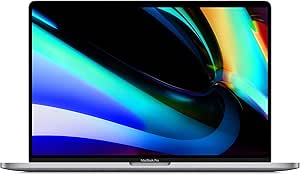




| apple macbook pro for paranormal hunt | Memory | Display | Processor | Storage |
|---|---|---|---|---|
| Apple MacBook Pro | 16GB DDR4, 2666 MHz | 16-inch Retina LED, 3072 × 1920, glossy | 2.6 GHz 9th-generation Intel Core i7, 6-core | 512GB SSD |
| MacBook Pro 14-inch Laptop wit | 16GB unified memory | 14.2-inch Liquid Retina XDR, up to 1600 nits peak brightness | Apple M5, 10-core CPU | 1TB SSD |
| MacBook Pro 16-inch Laptop wit | 48GB unified memory | 16.2-inch Liquid Retina XDR, up to 1600 nits peak brightness | Apple M5 Pro, 18-core CPU | 1TB SSD |
| Apple 16-inch MacBook Pro | 48GB unified memory | 16.2-inch Liquid Retina XDR, up to 1600 nits peak brightness | Apple M5 Pro, 18-core CPU | 2TB SSD |
| Apple 16.2-inch MacBook Pro wi | 64GB unified memory | 16.2-inch Liquid Retina XDR | Apple M3 Max, 16-core CPU | 1TB SSD |
| Apple 2024 MacBook Pro 16-inch | 24GB | 16.2-inch Liquid Retina XDR | Apple M4 Pro | 512GB SSD |
| Apple MacBook Pro 14.2" Laptop | 64GB unified memory | 14.2-inch Liquid Retina XDR | M5 Max, 18-core CPU and 40-core GPU | 2TB SSD |
| Apple MacBook Pro 14-inch | 16GB unified memory | Liquid Retina XDR | Apple M1 Pro | 512GB SSD |
| Apple 16-inch MacBook Pro with | 128GB unified memory | 16.2-inch Liquid Retina XDR | — | 4TB SSD |
| Apple MacBook Pro 14-inch | 16GB unified memory | 14.2-inch Liquid Retina XDR, 3024 x 1964 pixels | Apple M1 Pro, 10-core CPU and 16-core GPU | 1TB SSD |
| Apple 2024 MacBook Pro 14-inch | 24GB RAM | 14.2-inch Liquid Retina XDR, up to 1600 nits peak brightness | Apple M4 Pro chip | 1TB SSD |
| Apple 2023 MacBook Pro 16.2-in | 18GB unified memory | 16.2-inch Liquid Retina XDR | Apple M3 Pro chip, 12-core CPU and 18-core GPU | 512GB SSD |
| Apple MacBook Pro 14" with M5 | 64GB RAM | Liquid Retina XDR, 23456 × 2234 native resolution, 254 ppi | Apple M5 Max, 18-core CPU and 40-core GPU | — |
More Details on Our Top Picks
Apple MacBook Pro (Late 2019) 16″ 2.6GHz Intel Core i7, 16GB RAM, 512GB SSD, Space Gray – Renewed
The Late 2019 16-inch MacBook Pro is the most straightforward fit for hunters who want a large screen for reviewing recordings and organizing case files without buying into a newer Apple silicon setup. Its 16-inch Retina display gives waveform editors and video clips more room than the 14-inch M5 MacBook Pro, while the six-core Intel i7 and dedicated Radeon graphics can handle ordinary audio and video work. The tradeoff is age: this model’s 16GB of RAM and 512GB SSD leave less headroom for large libraries and demanding multitasking than the M3 Max MacBook Pro. It is also a renewed machine with a limited warranty, so condition may vary. At four pounds, it is easier to carry than the newer 16-inch models, but it lacks their newer chips and connectivity.
Pros:- 16-inch, 3072 × 1920 Retina display provides ample space to review footage and audio timelines.
- Six-core Intel Core i7 and dedicated Radeon Pro graphics suit routine editing and media work.
- 512GB SSD offers responsive access to applications and active investigation files.
- Four-pound weight is lower than the listed 16-inch M5 Pro and M3 Max models.
Cons:- Renewed condition may include cosmetic wear, and the listed warranty is limited.
- 16GB of memory and 512GB of storage constrain larger projects and extensive evidence libraries.
- Older Intel hardware and Wi-Fi 802.11ac lack the newer platform features of the M5 models.
Best for: Paranormal investigators who mainly record and edit audio, want a roomy 16-inch screen, and prefer a less recent Mac configuration.
Not ideal for: Investigators planning intensive multi-camera video editing, large local evidence archives, or long-term use of demanding software; the 16GB memory, 512GB SSD, and older Intel platform offer less headroom.
- Processor:2.6 GHz 9th-generation Intel Core i7, 6-core
- Memory:16GB DDR4, 2666 MHz
- Storage:512GB SSD
- Display:16-inch Retina LED, 3072 × 1920, glossy
- Graphics:AMD Radeon Pro 5300M with 4GB GDDR6
- Battery life:Up to 11 hours
- Weight:4 pounds
- Wireless:Wi-Fi 802.11ac
- Condition:Renewed; limited warranty
Our verdict“Choose this renewed 16-inch Mac for basic investigation media work and a large screen, but pick a newer model for heavier editing or more room to grow.”
MacBook Pro 14-inch Laptop with M5 chip, 16GB Unified Memory, 1TB SSD, Space Black
For investigators who carry a Mac between locations, this 14-inch M5 MacBook Pro prioritizes a smaller footprint and current-generation connectivity over the expansive workspace of the 16-inch picks. Its 1TB SSD gives field recordings more local space than the 2019 MacBook Pro’s 512GB drive, and the XDR display’s high peak brightness can help when reviewing material in varied lighting. HDMI and an SDXC slot also make it easier to connect a display or move compatible media without relying solely on adapters. The 16GB unified memory is the main limit: it is a sensible match for audio sessions, notes, and moderate video review, but less suited to heavy editing than the 48GB M5 Pro models or 64GB M3 Max. It supports up to two external displays, which may constrain a multi-screen editing desk.
Pros:- 14.2-inch form factor is more compact than the listed 16-inch MacBook Pro options.
- 1TB SSD provides twice the listed capacity of the 2019 model’s drive.
- Liquid Retina XDR display reaches up to 1600 nits peak brightness.
- Thunderbolt 4, HDMI, SDXC, and MagSafe 3 support varied field and desk connections.
Cons:- 16GB unified memory offers less capacity than the 48GB M5 Pro and 64GB M3 Max options.
- External display support is limited to two screens.
- Smaller display gives less room for side-by-side footage, notes, and audio timelines than the 16-inch models.
Best for: Mobile investigators who want a compact Mac for audio capture management, field notes, and moderate evidence review with 1TB of built-in storage.
Not ideal for: Video editors or researchers running many demanding applications at once; 16GB unified memory and support for only two external displays are less suited to heavier studio workflows.
- Processor:Apple M5, 10-core CPU
- Graphics:Apple M5, 10-core GPU with Neural Accelerator
- Memory:16GB unified memory
- Storage:1TB SSD
- Display:14.2-inch Liquid Retina XDR, up to 1600 nits peak brightness
- Ports:3 × Thunderbolt 4, MagSafe 3, HDMI, SDXC card slot, headphone jack
- External displays:Supports up to two
- Camera:12MP Center Stage camera
- Color:Space Black
Our verdict“Pick this 14-inch M5 model if portability and 1TB of storage matter more than a larger screen or high-memory editing capacity.”
MacBook Pro 16-inch Laptop with M5 Pro chip, 48GB Unified Memory, 1TB SSD, Liquid Retina XDR Display, Wi-Fi 7 – Silver
This 16-inch M5 Pro MacBook Pro is the most balanced choice here for investigators who edit substantial audio and video collections as well as collect them. Its 48GB unified memory gives more room for simultaneous editing, file management, and analysis than the 16GB M5 model, while the 18-core CPU and 20-core GPU provide considerably more capacity for creative workloads. The large Liquid Retina XDR display makes long timelines easier to inspect than on that compact 14-inch alternative. Thunderbolt 5, HDMI, and SDXC add useful connection options for drives, displays, and compatible media; Wi-Fi 7 supports newer wireless networks. The cost of that headroom is portability: at 4.71 pounds, it is heavier than the 2019 16-inch model. Its memory and storage are also soldered, so the configuration cannot be upgraded later.
Pros:- 48GB unified memory supports heavier editing and multitasking than the 16GB M5 option.
- 18-core CPU and 20-core GPU are suited to demanding creative workflows.
- 16.2-inch Liquid Retina XDR display offers a generous workspace for evidence review.
- Thunderbolt 5, HDMI, SDXC, and Wi-Fi 7 provide broad connectivity.
Cons:- At 4.71 pounds, it is heavier than the listed 2019 16-inch MacBook Pro.
- Memory and storage are soldered, limiting future upgrades.
- The 1TB SSD may fill quickly for investigators retaining large video archives.
Best for: Investigators who regularly edit high-resolution footage, manage multiple evidence files at once, and want a large display plus ample memory.
Not ideal for: Field teams focused on keeping their kit light or buyers who expect to expand internal memory and storage later; this model weighs 4.71 pounds and its components are soldered.
- Processor:Apple M5 Pro, 18-core CPU
- Graphics:20-core GPU
- Memory:48GB unified memory
- Storage:1TB SSD
- Display:16.2-inch Liquid Retina XDR, up to 1600 nits peak brightness
- Ports:3 × Thunderbolt 5, MagSafe 3, HDMI, SDXC card slot, headphone jack
- Wireless:Wi-Fi 7 and Bluetooth 6
- Weight:4.71 pounds
- Camera:12MP Center Stage camera
Our verdict“Choose this M5 Pro configuration for a large-screen investigation workstation with substantial memory, provided you can accept its weight and fixed internal configuration.”
Apple 16-inch MacBook Pro (2026) – M5 Pro Chip, 18-Core CPU, 20-Core GPU, 48GB RAM, 2TB SSD, Space Black
This configure-to-order 16-inch M5 Pro MacBook Pro takes the same broad performance and memory approach as the silver 16-inch M5 Pro, but doubles its listed storage to 2TB SSD. That capacity is the defining advantage for paranormal teams keeping sessions, interviews, and video evidence on the laptop instead of continually moving files to external drives. Its 48GB unified memory and 18-core CPU/20-core GPU configuration also provide substantial room for demanding creative work, while the 16.2-inch XDR screen suits detailed review. Compared with the 14-inch M5 model, this is a much more capable local archive and editing base, but it is less compact. Compared with the other 16-inch M5 Pro, the supplied details do not list Wi-Fi 7, Thunderbolt 5, or weight, so buyers should not assume those specifications from the similar chip alone.
Pros:- 2TB SSD provides more local evidence capacity than the 1TB M5 Pro and M5 models listed here.
- 48GB unified memory supports demanding editing and multitasking.
- 18-core CPU and 20-core GPU suit professional creative workflows.
- 16.2-inch Liquid Retina XDR display offers a large review and editing workspace.
Cons:- Large 16-inch format is less compact than the 14-inch M5 MacBook Pro.
- Memory and storage are fixed in the configure-to-order system and cannot be expanded later.
- The supplied product details do not specify weight or port configuration.
Best for: Investigators who retain large video and audio archives locally and want a high-memory 16-inch Mac with 2TB of internal storage.
Not ideal for: Buyers who prioritize a light field kit, need stated connectivity details before purchasing, or do not need more than 1TB of local space.
- Model:MacBook Pro 16-inch (2026), configure-to-order
- Processor:Apple M5 Pro, 18-core CPU
- Graphics:20-core GPU
- Memory:48GB unified memory
- Storage:2TB SSD
- Display:16.2-inch Liquid Retina XDR, up to 1600 nits peak brightness
- Color:Space Black
- Power adapter:140W USB-C Power Adapter
Our verdict“Choose this configuration over the 1TB M5 Pro if keeping a larger evidence archive on the laptop is worth prioritizing over portability.”
Apple 16.2-inch MacBook Pro with M3 Max, 16-Core CPU, 40-Core GPU, 64GB RAM, and 1TB SSD (2023, QWERTY English, Space Black, Renewed)
The renewed 16.2-inch M3 Max MacBook Pro is the specialist option for investigators whose hunts produce demanding video projects, complex visual analysis, or other GPU-heavy work. Its 40-core GPU and 64GB unified memory exceed the graphics and memory specifications of the 48GB M5 Pro models listed here, making it the higher-capacity choice on those components. It also lists up to 22 hours of battery life, which may appeal to teams working away from power, though actual runtime depends on workload. The tradeoff is a renewed 2023 machine with only a 1TB SSD: the 2TB M5 Pro configuration is a better fit for keeping extensive evidence libraries onboard. The supplied 8.4-pound weight is unusually high compared with the other listed 16-inch options, so this is better suited to a vehicle or fixed editing station than a light field bag.
Pros:- 40-core GPU is the highest listed GPU core count among these five products.
- 64GB unified memory exceeds the 48GB configurations in the M5 Pro models.
- Listed battery life reaches up to 22 hours.
- 16.2-inch Liquid Retina XDR display and six-speaker audio support detailed media review.
Cons:- Listed weight of 8.4 pounds makes it a poor fit for investigators carrying gear on foot.
- Renewed condition may include wear and differs from a new-device purchase.
- 1TB SSD offers less internal archive capacity than the 2TB M5 Pro option.
Best for: Video-focused investigators who need substantial graphics and memory capacity for demanding editing, and who can work from a vehicle or stationary setup.
Not ideal for: Investigators carrying equipment on foot or seeking a new device; this renewed model is listed at 8.4 pounds and its 1TB SSD trails the 2TB M5 Pro configuration for local archiving.
- Model year:2023
- Processor:Apple M3 Max, 16-core CPU
- Graphics:40-core GPU
- Memory:64GB unified memory
- Storage:1TB SSD
- Display:16.2-inch Liquid Retina XDR
- Battery life:Up to 22 hours
- Weight:8.4 pounds
- Condition:Renewed
Our verdict“Pick this renewed M3 Max for GPU-intensive editing and 64GB of memory, but choose the 2TB M5 Pro for a larger local archive or a lighter listed weight.”
Apple 2024 MacBook Pro 16-inch (M4 Pro, 24GB RAM, 512GB SSD) – Space Black (Renewed Premium)
The 16-inch M4 Pro is a well-balanced pick for paranormal teams that bring recordings back to review, compare audio and video, and want a large screen for long sessions. Its 24GB of memory gives demanding editing and analysis apps more room than the Late 2021 M1 Pro models with 16GB, while the bright Liquid Retina XDR display can make footage easier to inspect in varied lighting. Three Thunderbolt 5 ports, HDMI, and an SDXC slot simplify connecting drives and cameras. Its main compromises are the 512GB SSD, which can fill quickly with investigation footage, and renewed condition, which may not feel new. The 14-inch M5 Max is more portable and far more powerful, but likely exceeds what most field-review workflows need.
Pros:- M4 Pro and 24GB RAM suit demanding audio, video, and analysis workflows.
- 16.2-inch Liquid Retina XDR display offers a spacious, bright review workspace.
- Thunderbolt 5, HDMI, and SDXC provide flexible connections for accessories and media.
- Apple device integration can simplify moving files from an iPhone.
Cons:- 512GB SSD may be restrictive for storing many investigation recordings locally.
- Renewed Premium condition may show wear or differ from a new unit.
- The 16-inch size is less convenient to carry than a 14-inch MacBook Pro.
Best for: Paranormal investigators who want a roomy screen for reviewing sessions and already archive large recordings on external drives.
Not ideal for: Buyers who need extensive internal footage storage or require a new device rather than a renewed one.
- Model:MacBook Pro 16-inch (2024)
- Processor:Apple M4 Pro
- Memory:24GB
- Storage:512GB SSD
- Display:16.2-inch Liquid Retina XDR
- Peak brightness:Up to 1600 nits
- Ports:3x Thunderbolt 5, MagSafe 3, SDXC, HDMI, headphone jack
- Condition:Renewed Premium
Our verdict“Choose this renewed 16-inch M4 Pro if your hunt workflow centers on reviewing footage at a large screen and you can manage storage externally.”
Apple MacBook Pro 14.2″ Laptop with M5 Max, 18‑core CPU, 40‑core GPU, 64 GB Unified Memory, 2 TB SSD, Silver
This 14.2-inch M5 Max suits investigators who need a powerful editing and analysis workstation without carrying a 16-inch chassis. Its 64GB of unified memory and 2TB SSD give it more headroom for large media projects than the 14-inch Late 2021 M1 Pro, whose 16GB memory and 512GB storage are more limiting for extensive archives. Thunderbolt 5, HDMI, and an SDXC slot help connect field media and accessories without relying solely on adapters. The tradeoff is that this configuration is substantial hardware for basic note-taking or audio playback, and its components are not user-upgradable. Compared with the 16-inch M5 Max, it is easier to pack, but gives up screen area for reviewing several clips side by side.
Pros:- M5 Max with 64GB unified memory is suited to demanding media and analysis workloads.
- 2TB SSD provides much more local recording space than 512GB configurations.
- 14.2-inch size is more portable than the 16-inch M5 Max model.
- Thunderbolt 5, HDMI, and SDXC support varied field equipment and media.
Cons:- High-end performance may be unnecessary for basic investigation documentation.
- Memory and storage are not user-upgradable.
- Smaller display offers less room than 16-inch models for reviewing multiple sources.
Best for: Mobile investigation teams that edit high-resolution recordings, keep sizable projects on the laptop, and prefer a smaller footprint.
Not ideal for: Buyers who mainly log notes and review short audio clips, or who want a large display and upgradeable components.
- Processor:M5 Max, 18-core CPU and 40-core GPU
- Memory:64GB unified memory
- Storage:2TB SSD
- Display:14.2-inch Liquid Retina XDR
- Peak brightness:1600 nits
- Ports:Three Thunderbolt 5, MagSafe 3, SDXC, HDMI, headphone jack
- Wireless:Wi-Fi 7 and Bluetooth 6
- Operating system:macOS
Our verdict“Pick this 14-inch M5 Max when portability matters but your paranormal footage workflow still calls for substantial memory and internal storage.”
Apple MacBook Pro 14-inch (Late 2021, Renewed) – M1 Pro Chip, 16GB RAM, 512GB SSD, Silver
The Late 2021 14-inch M1 Pro offers a practical way to get a professional display and broad connectivity for organizing investigation notes, listening to recordings, and doing moderate video review. Its Liquid Retina XDR screen and six-speaker system give it a more capable media setup than a basic laptop, while the ProRes accelerator can help with compatible video workflows. Against the 2024 16-inch M4 Pro, it has less memory, older-generation processing, and a smaller screen; that makes it a less suitable choice for heavy editing, but also a more focused fit for lighter post-hunt work. Its 512GB SSD is another constraint for users who keep raw footage on the laptop, and renewed condition means the device may show signs of prior use.
Pros:- M1 Pro supports professional apps and includes a ProRes accelerator.
- Liquid Retina XDR display is suited to reviewing recorded video.
- Six-speaker audio system supports listening to recordings without immediate external speakers.
- 14-inch form factor is easier to carry than the 16-inch M4 Pro.
Cons:- 16GB RAM is less headroom than the newer M4 Pro and M5 Max options.
- 512GB SSD can fill quickly with raw audio and video files.
- Renewed condition may include signs of previous use.
Best for: Newer investigators who need a capable Mac for logs, audio review, and occasional video work, and are comfortable buying renewed.
Not ideal for: Editors handling large, frequent video projects or buyers who need high internal storage and a new-condition device.
- Model:MacBook Pro 14-inch (Late 2021)
- Processor:Apple M1 Pro
- Memory:16GB unified memory
- Storage:512GB SSD
- Display:Liquid Retina XDR
- Camera:1080p FaceTime HD
- Audio:Six-speaker system with spatial audio
- Condition:Renewed
Our verdict“Choose this renewed M1 Pro for moderate investigation work if portability and a capable screen matter more than newer performance or large storage.”
Apple 16-inch MacBook Pro with M5 Max, 18-core CPU, 40-core GPU, 128GB Memory, 4TB SSD, Space Black
For investigators who accumulate long-form video, multiple camera feeds, and years of case files, this 16-inch M5 Max configuration puts unusually generous resources on the laptop itself: 128GB of unified memory and a 4TB SSD. That storage capacity is a clear step up from the 16-inch M4 Pro with 512GB, reducing dependence on external drives during active review. The large Liquid Retina XDR display also makes extended footage sessions more comfortable than using a 14-inch model. The downside is that this much memory and storage can be excessive for teams that mainly document audio and notes; the 14-inch M5 Max offers a more portable alternative with less memory and storage. Configure-to-order availability may also make this exact setup harder to find.
Pros:- 128GB unified memory supports demanding creative and analysis workloads.
- 4TB SSD offers substantial capacity for local recordings and project files.
- 16.2-inch Liquid Retina XDR display provides a large workspace for footage review.
- M5 Max combines an 18-core CPU with a 40-core GPU.
Cons:- Memory and storage capacity may exceed the needs of typical note-taking and audio-review workflows.
- 16-inch size is less convenient to carry on mobile investigations than a 14-inch model.
- Configure-to-order specifications may limit availability.
Best for: Professional investigators and production teams who retain large local video libraries and run demanding creative applications.
Not ideal for: Solo hobbyists with modest recordings, or field users who prioritize a lighter, smaller laptop over maximum capacity.
- Model:16-inch MacBook Pro
- Chip:Apple M5 Max
- CPU:18-core
- GPU:40-core
- Memory:128GB unified memory
- Storage:4TB SSD
- Display:16.2-inch Liquid Retina XDR
- Peak brightness:1600 nits
- Power adapter:140W USB-C
Our verdict“Choose this 16-inch M5 Max if your investigations generate a large local media archive and you want workstation-level capacity in one laptop.”
Apple MacBook Pro 14-inch (Late 2021) with M1 Pro Chip, 16GB RAM, 1TB SSD, Space Gray (Renewed)
This renewed 14-inch M1 Pro is a sensible choice for investigators who want to keep more recordings on the computer without moving to a high-spec newer model. Its 1TB SSD doubles the capacity of the 512GB Late 2021 M1 Pro, making it better suited to carrying active case files between locations. The 14.2-inch Liquid Retina XDR display and M1 Pro chip still support serious media review, though the 2024 M4 Pro offers newer processing and 24GB of memory for more demanding sessions. This model’s 16GB RAM can be a limit when editing large video projects, and renewed condition plus a 90-day limited warranty may be less reassuring than a new purchase. Its listed battery life is up to 17 hours, but actual runtime varies with workload.
Pros:- 1TB SSD provides more room for local case files than the 512GB M1 Pro version.
- M1 Pro and 16GB unified memory support professional investigation workflows.
- 14.2-inch Liquid Retina XDR display keeps the laptop portable while supporting detailed review.
- HDMI, SDXC, Thunderbolt 4, and MagSafe 3 offer useful connection options.
Cons:- 16GB memory is less suited to heavy multitasking and large video projects than newer configurations.
- Renewed units may have cosmetic wear.
- The listed 90-day limited warranty is shorter than many buyers may prefer.
Best for: Investigators who want a portable Mac for field notes and media review, with more built-in storage than the 512GB M1 Pro model.
Not ideal for: Users editing large, complex video sessions or buyers who want a new device, longer listed warranty, or current-generation performance.
- Processor:Apple M1 Pro, 10-core CPU and 16-core GPU
- Memory:16GB unified memory
- Storage:1TB SSD
- Display:14.2-inch Liquid Retina XDR, 3024 x 1964 pixels
- Battery life:Up to 17 hours
- Weight:1.6 kg (3.5 lbs)
- Ports:3x Thunderbolt 4, HDMI, SDXC, MagSafe 3
- Condition and warranty:Renewed; 90-day limited warranty
Our verdict“Pick this renewed M1 Pro if you want a portable investigation laptop with 1TB of storage and can accept older hardware and a limited warranty.”
Apple 2024 MacBook Pro 14-inch (M4 Pro, 24GB RAM, 1TB SSD, Space Black, Renewed)
For paranormal hunts that involve reviewing several camera feeds, organizing recordings, and editing footage between locations, this 14-inch M4 Pro pairs 24GB of memory with a roomy 1TB SSD. Its Liquid Retina XDR display offers strong brightness and contrast for examining dark-scene clips, while the compact size is easier to carry than the 16.2-inch M3 Pro model. Three Thunderbolt 5 ports, HDMI, and an SDXC slot also give me more direct options for connecting equipment and importing card footage. The tradeoff is its renewed condition: buyers should weigh possible cosmetic wear and warranty terms against the hardware. Compared with the newer M5 Max 14-inch model, it gives up substantial headroom for demanding graphics work, but is a more measured choice for typical field review and editing.
Pros:- M4 Pro chip and 24GB RAM suit multitasking across recording and editing applications.
- 1TB SSD provides more room for hunt footage than the 512GB M3 Pro 16-inch model.
- Bright 14.2-inch Liquid Retina XDR display helps with detailed clip review.
- Thunderbolt 5, HDMI, and SDXC provide useful connections for displays and media cards.
Cons:- Renewed condition may mean cosmetic wear, and warranty coverage should be checked.
- A 14-inch screen gives less workspace than the 16.2-inch M3 Pro model.
- Less GPU and memory headroom than the M5 Max 14-inch model for intensive graphics workloads.
Best for: Paranormal investigators who want a portable MacBook Pro for reviewing and editing field recordings, plus ample local storage for footage.
Not ideal for: Buyers who require a new device or a clearly stated full-length warranty, and professionals running especially demanding GPU-heavy analysis.
- Model:MacBook Pro 14-inch (2024)
- Processor:Apple M4 Pro chip
- Memory:24GB RAM
- Storage:1TB SSD
- Display:14.2-inch Liquid Retina XDR, up to 1600 nits peak brightness
- Ports:Three Thunderbolt 5, MagSafe 3, SDXC, HDMI, headphone jack
- Camera:12MP Center Stage
- Condition:Renewed
Our verdict“Choose this renewed M4 Pro if you want a portable, well-connected field-editing MacBook Pro with 1TB of storage and accept the condition tradeoff.”
Apple 2023 MacBook Pro 16.2-inch (M3 Pro, 12-Core CPU, 18-Core GPU, 18GB RAM, 512GB SSD, Space Black)
The main reason I’d pick this MacBook Pro for paranormal work is its 16.2-inch Liquid Retina XDR display: the extra workspace makes side-by-side clips, audio timelines, and investigation notes easier to inspect without relying on an external monitor. Its M3 Pro chip, 18GB of unified memory, and stated battery life of up to 22 hours suit long review sessions away from a desk. Against the 14-inch M4 Pro, this model favors screen space and battery endurance over a newer chip, more memory, and a larger included SSD. That makes it a stronger fit for investigators who prioritize viewing comfort, but a less flexible pick for carrying between locations. The 512GB SSD can fill quickly with raw recordings, so an external drive may be part of the kit.
Pros:- Large 16.2-inch display gives more room for timelines, notes, and multiple video windows.
- M3 Pro with an 18-core GPU supports demanding editing and graphics work.
- Up to 22 hours of stated battery life suits extended review away from an outlet.
- Six-speaker system with Spatial Audio supports clear playback during media review.
Cons:- The larger chassis is heavier and bulkier to carry on investigations.
- 512GB storage may require an external drive for extensive footage archives.
- Has less memory and an older chip than the 14-inch M4 Pro option.
Best for: Investigators who spend long sessions reviewing footage, comparing clips, and annotating evidence on the laptop screen.
Not ideal for: Field teams that need a lighter, more portable system or want to keep a large collection of recordings on the internal drive.
- Processor:Apple M3 Pro chip, 12-core CPU and 18-core GPU
- Memory:18GB unified memory
- Storage:512GB SSD
- Display:16.2-inch Liquid Retina XDR
- Battery life:Up to 22 hours
- Camera:1080p FaceTime HD
- Audio:Six-speaker system with Spatial Audio and three-mic array
- Color:Space Black
Our verdict“Choose this M3 Pro if a roomy built-in screen and long stated battery life matter more than compact carry and generous internal storage.”
Apple MacBook Pro 14″ with M5 Max, 18‑core CPU, 40‑core GPU, 64 GB RAM
When a paranormal investigation workflow extends beyond reviewing clips into intensive video production, graphics work, or running several demanding applications together, this M5 Max with 64GB RAM offers the most listed performance headroom in this group. Its 40-core GPU and Liquid Retina XDR display suit detailed visual work, while the 14-inch format keeps it more portable than the 16.2-inch M3 Pro. Wi-Fi 7, Bluetooth 6, and a broad selection of ports add flexibility for connecting gear and moving files. That capability is likely more than many field investigators need: compared with the M4 Pro 14-inch, this is the more powerful choice, but it has no stated storage capacity in the supplied details, making archive planning less clear. The premium configuration also makes less sense if hunts mainly involve recording and basic playback.
Pros:- M5 Max 18-core CPU and 40-core GPU provide substantial capacity for demanding creative workloads.
- 64GB RAM supports large projects and multiple demanding applications.
- 14-inch Liquid Retina XDR display combines detailed visual work with a more compact format than the 16.2-inch M3 Pro.
- Wi-Fi 7, Bluetooth 6, and a broad port selection support modern connections and media workflows.
Cons:- The M5 Max specification may be excessive for basic recording and footage review.
- The supplied product data does not state SSD capacity, so storage needs cannot be judged from these details.
- No traditional USB-A port is listed, which may require adapters for older investigation equipment.
Best for: Professional investigators and video editors who process complex, graphics-heavy evidence projects and need substantial memory in a 14-inch laptop.
Not ideal for: Casual investigators who mainly record and review footage, or buyers who need a confirmed SSD capacity before choosing a laptop.
- Processor:Apple M5 Max, 18-core CPU and 40-core GPU
- Memory:64GB RAM
- Display:Liquid Retina XDR, 23456 × 2234 native resolution, 254 ppi
- Wireless:Wi-Fi 7 (802.11be), Bluetooth 6, Apple N1 chip
- Audio:Six-speaker system with force-cancelling woofers, Spatial Audio, Dolby Atmos
- Camera:12MP Center Stage camera with Desk View, 1080p HD video recording
- Ports:Three Thunderbolt 4/5, HDMI, MagSafe 3, SDXC card slot, headphone jack
- Operating system:macOS
Our verdict“Choose this M5 Max for demanding evidence-production work if you need 64GB of memory and can confirm the storage configuration before buying.”

How We Picked
I ranked these MacBook Pro configurations for the actual demands of paranormal hunts: managing audio recordings, reviewing video, keeping notes, and handling analysis between or during sessions. I gave the most weight to a useful balance of memory, storage, screen workspace, and portability, rather than treating the largest chip or most expensive specification as an automatic winner. For many investigators, stable recording equipment and a workable file-management routine matter more than extreme graphics performance.
That ranking puts the 16-inch M5 Pro with 48GB memory and 1TB storage first for its balanced combination of workspace and headroom. Compact M5 models rank well for lighter kits, while Max systems rise for large editing workloads and fall for buyers who would carry unused capability. I also accounted for the practical tradeoffs of 512GB storage and renewed condition: neither rules out a model, but both make planning and seller checks more important. Product details vary across the listed configurations, so I avoid assuming unlisted battery, port, or condition specifics.
Factors to Consider When Choosing Apple Macbook Pro For Paranormal Hunts
Choosing a laptop for a hunt is partly a question of computing power, but the bigger decision is how the MacBook fits into the rest of your recording setup. I would match the computer to the files and software you actually use, then reserve the remaining budget and carrying space for dependable capture gear, backups, and power.
Match Memory to Your Actual Analysis Work
Audio logging, note-taking, and reviewing a few clips place different demands on a MacBook than editing several high-resolution video streams. A 16GB configuration can suit a modest workflow, while 24GB or 48GB gives more breathing room when several applications and large files are open together. Higher memory becomes more useful when the laptop also serves as your main editing workstation after a hunt. A common mistake is to buy maximum memory for a task that is mostly recording and playback. I would first list the applications you expect to run simultaneously, then choose enough capacity to keep that workflow comfortable. The M5 Max models make most sense when demanding creative work is part of the plan, not simply because a hunt feels unpredictable.
Plan Storage Around Recording Duration
Long sessions can generate many audio and video files, so storage needs depend on recording formats, camera count, and how often you can offload data. A 512GB SSD may be workable if you copy files to external storage promptly, but it leaves less room for a growing library of footage and applications. The 1TB configurations offer a middle ground, while 2TB and 4TB choices reduce the frequency of file shuffling. Extra internal capacity does not replace a backup: a laptop failure or accidental deletion can still put recordings at risk. I would budget for a separate backup drive and decide in advance how files will be labeled, copied, and verified. Avoid filling the internal drive with an archive that could live more safely on dedicated storage.
Choose Screen Size for Where You Work
A 16-inch display gives more space to compare waveforms, timelines, notes, and video side by side, which can make detailed review less cramped. A 14-inch model is easier to fit into a compact kit and is a sensible match for users who mostly capture in the field and do heavier review elsewhere. The larger display can become a burden when every item in your kit must be carried over long distances. Conversely, choosing the smaller screen solely for portability may be frustrating if the laptop is also your only analysis station. I would think about where serious review happens: at a desk, in a vehicle, or in a temporary field base. An external display at home can reduce the need to carry a larger model on every outing.
Treat Renewed Condition as Part of the Buying Decision
Renewed models can extend the useful life of an older M1 Pro or Intel configuration, but the model name alone does not tell you the laptop’s present condition. Battery health matters especially when an investigation runs away from power, and cosmetic or repair details may differ by seller. Read the specific listing for what is included, how condition is described, and what return or warranty coverage applies. Do not assume a renewed laptop will have the same battery endurance as a new one. I would also check that the chosen macOS version supports the software and accessories in your workflow. For a device that holds active recordings, reliable backups and a clear return path are worth more than a small specification advantage.
Budget for the Recording Kit, Not Just the Laptop
A MacBook Pro organizes and analyzes evidence, but it does not replace microphones, recorders, cameras, or reliable cables. A buyer who spends every available dollar on a Max chip may have less left for the equipment that captures the material in the first place. Think through how data reaches the MacBook, whether you need adapters or card readers, and how you will power devices during a session. Confirm the connector needs of your existing gear instead of assuming every accessory will attach directly. Keep a separate plan for charging and file backups, since a capable laptop cannot rescue a recording that was never captured or stored safely. For many newcomers, a balanced laptop plus dependable capture and backup gear is a stronger starting setup than the highest-spec computer.
Frequently Asked Questions
Do I need an M5 Max MacBook Pro to analyze paranormal recordings?
Usually, no. Basic recording management, note-taking, and reviewing audio or video do not automatically call for an M5 Max or very large memory configuration. Max models become easier to justify if you also edit demanding video projects, work with large media libraries, or keep intensive applications open together. For a field-focused setup, the money and carrying capacity may be more useful elsewhere in the kit. Choose based on your post-hunt workload rather than the possibility that you might need maximum performance someday.
Is 512GB enough storage for a full night of recording?
It depends on how many devices record, the formats they use, and how much footage you already keep on the laptop. A 512GB model may handle a session if you offload files regularly and arrive with space available, but it offers less room for a growing evidence library. Before a hunt, check the size of a representative recording session rather than guessing from the number of files. Keep a separate backup drive and verify that transferred files open correctly before clearing the originals. If you prefer to keep active projects on the MacBook, a 1TB or larger configuration gives more working room.
Should I choose a 14-inch or 16-inch MacBook Pro for field investigations?
Choose the 14-inch size if your priority is a smaller computer that fits more easily into a compact field kit. A 16-inch screen is more comfortable for reviewing timelines, waveforms, and video together, especially when the laptop is also your main editing machine. The tradeoff is not just screen area; it is how much equipment you want to carry and where you will use the computer. If most detailed analysis happens at home, a 14-inch model paired with a separate monitor may be a practical combination. If you regularly review evidence on location, the larger workspace may be worth the added bulk.
What should I check before buying a renewed MacBook Pro for hunts?
Read the individual seller’s condition description, return terms, and warranty coverage rather than relying on the model year alone. Ask or check whether battery condition is disclosed, since long sessions away from an outlet can expose a weak battery quickly. Confirm that the laptop supports the macOS version and software you plan to use, and inspect the included charger and accessories. Plan for external backups even if the computer appears to be in excellent condition. A renewed model can be a sensible entry point, but dependable file protection should not depend on one used device.
Is unified memory more important than choosing 1TB of storage?
They solve different problems, so the better choice depends on your routine. More unified memory helps when applications and large media tasks run at the same time; more storage gives you space to keep recordings and active projects on the laptop. If you mostly capture and review short sessions, storage and a backup routine may matter more than a very large memory tier. If you edit substantial video projects or work across several demanding applications, additional memory can reduce workflow limits. I would avoid sacrificing practical storage for memory you are unlikely to use, or vice versa, without first mapping your file and software needs.
Conclusion
For most investigators, I recommend the 16-inch M5 Pro with 48GB memory and 1TB storage as the best overall: it combines a spacious review area with room for demanding multitasking without defaulting to Max-level hardware. The 14-inch M5 with 16GB memory and 1TB storage is my best value for a new, portable setup, while the renewed M1 Pro options are the entry-level picks for buyers comfortable checking battery condition and seller coverage. For premium editing work, choose an M5 Max configuration; the 16-inch model with 128GB memory and 4TB storage is aimed at especially large media workloads, while 64GB options offer substantial headroom in a smaller footprint. The older Intel model is best reserved for buyers with a specific compatibility need, not those seeking the newest field computer. My simplest rule: choose the lightest configuration that supports your recording and analysis workflow, then leave room in your kit for reliable capture equipment and backups.