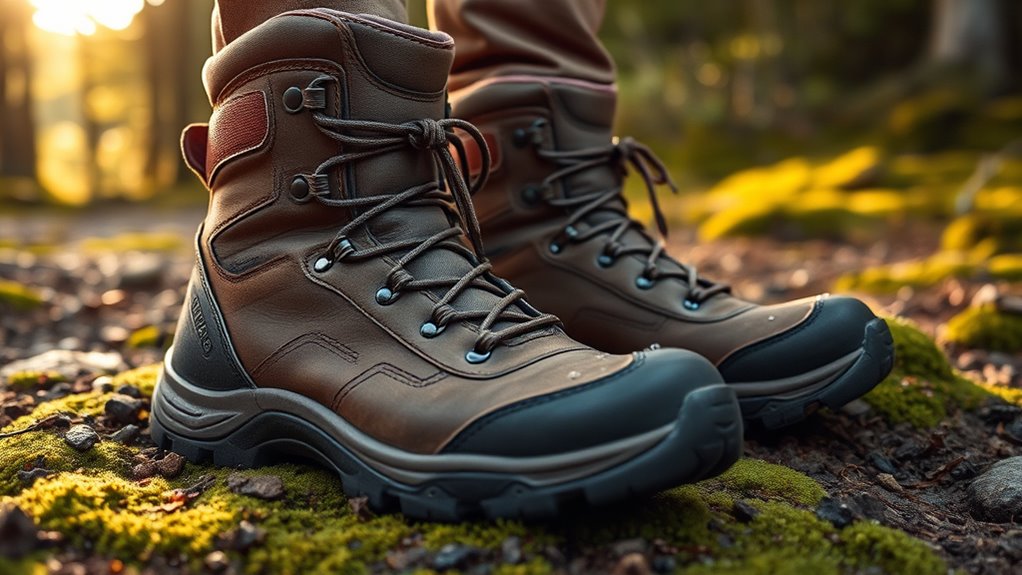

For buyers seeking premium hiking boots, the Danner Mountain 600 ID Gore-Tex is my best overall pick for its balance of trail-ready protection and comfort, while the La Sportiva Makalu suits demanding, technical routes and the KEEN Durand 2 Mid is a strong choice for supportive waterproof hiking. The lineup also includes lighter options for day hikes and more casual boots that trade technical trail features for everyday versatility. The main choice is how much support and durability you need versus lighter weight, easier break-in, and broader use off the trail. I compare all 14 options by their intended use, construction, and tradeoffs below. Continue reading for the full breakdown and help matching a boot to your terrain and hiking habits.

Get books and cozy reading nights delivered free with Prime
- Fast, free delivery on millions of items
- Prime Video, Amazon Music and more included
- Member-only deals all year
Key Takeaways
- The Danner Mountain 600 ID Gore-Tex is the most balanced trail pick: it suits hikers who want waterproof protection and hiking-focused design without stepping up to a specialized mountaineering boot.
- The La Sportiva Makalu serves a different purpose from the lighter mids: its mountaineering orientation makes it a better match for rugged, demanding terrain than routine day hikes.
- The KEEN Durand 2 Mid and Timberland Mt. Maddsen prioritize supportive waterproof hiking: they are more trail-oriented choices than Timberland’s Premium 6-Inch, which leans toward casual wear.
- The Columbia Newton Ridge models and NORTIV 8 options emphasize accessible, lighter-duty use: they make more sense for casual hikers than buyers who need a boot for frequent rough-terrain use.
- Several lineup entries are shoes or casual boots rather than classic hiking boots: the Mammut Mercury IV Low GTX and Columbia Newton Ridge Plus II are low-cut options, while the Timberland Premium 6-Inch and Britton Road have broader everyday appeal.
| Mammut Men’s Mercury IV Low GTX Hiking Shoes, Titanium-Hot Red, Vibram Sole, 3D Memo Foam, Day Hike Comfort |  | Best for Lightweight Day Hikes | Fabric type: Synthetic | Inner material: Synthetic | Insole: Synthetic | VIEW ON AMAZON | See Our Full Breakdown |
| Timberland Men’s Mt. Maddsen Hiking Waterproof Boots |  | Best for Leather-Boot Comfort | Sole material: Rubber | Shaft height: Ankle | Shaft circumference: 9.5 inches | VIEW ON AMAZON | See Our Full Breakdown |
| Timberland Men’s Premium 6-Inch Waterproof Boot |  | Best for Cold-Weather Versatility | Shaft height: 6 inches | Shaft circumference: 9.75 inches | Material: Timberland leather | VIEW ON AMAZON | See Our Full Breakdown |
| Timberland Men’s White Ledge Mid Waterproof Hiking Boots | 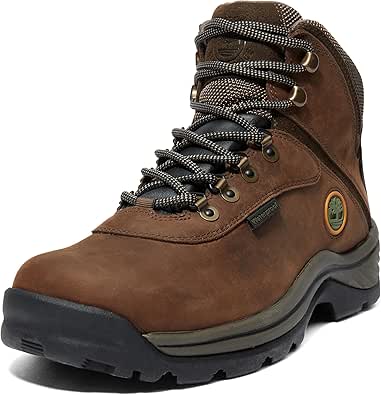 | Best for Straightforward Trail Coverage | Upper material: Waterproof premium leather | Sole material: Rubber | Shaft height: Mid | VIEW ON AMAZON | See Our Full Breakdown |
| KEEN Men’s Durand 2 Mid Height Waterproof Hiking Boots |  | Best for Rugged-Trail Support | Fabric type: 100% leather | Origin: Made in USA or imported | Sole material: Rubber | VIEW ON AMAZON | See Our Full Breakdown |
| Danner Men’s Mountain 600 ID Gore-Tex Hiking Boots |  | Best Premium Support | Sole material: Rubber | Outer material: Nylon | Inner material: Gore-Tex | VIEW ON AMAZON | See Our Full Breakdown |
| Columbia Women’s Newton Ridge Plus Waterproof Amped Hiking Boot |  | Best for All-Round Day Hiking | Fabric type: EVA | Origin: Imported | Sole material: Rubber | VIEW ON AMAZON | See Our Full Breakdown |
| NORTIV 8 Men’s Waterproof Lightweight Hiking Boots |  | Best for Protective Trail Coverage | Sole material: EVA, rubber | Shaft height: Ankle | Shaft circumference: 30.8 cm | VIEW ON AMAZON | See Our Full Breakdown |
| Men’s Waterproof Hiking Boots Non-Slip Lightweight Mid Top Ankle Shoes |  | Best Lightweight Option | Fabric type: Synthetic suede and fabric | Origin: Imported | Sole material: Synthetic rubber | VIEW ON AMAZON | See Our Full Breakdown |
| NORTIV 8 Men’s Ankle High Waterproof Hiking Boots |  | Best Flexible Everyday Pick | Sole material: Rubber | Shaft height: Ankle | Shaft circumference: Approximately 10 inches | VIEW ON AMAZON | See Our Full Breakdown |
| La Sportiva Makalu Mountaineering and Hiking Boots |  | Best for Technical Alpine Use | Origin: Made in USA or Imported | Sole material: Rubber | Outer material: Rubber | VIEW ON AMAZON | See Our Full Breakdown |
| Columbia Men’s Transverse Hike Waterproof |  | Best for Cushioned All-Weather Day Hikes | Sole material: Rubber | Shaft height: Ankle | Shaft circumference: 1 inch | VIEW ON AMAZON | See Our Full Breakdown |
| Columbia Men’s Newton Ridge Plus II Waterproof Hiking Shoe |  | Best for Straightforward Trail Versatility | Sole material: Rubber | Shaft height: Ankle | Shaft circumference: 1 inch | VIEW ON AMAZON | See Our Full Breakdown |
| Timberland Men’s Britton Road Waterproof Boot |  | Best for Cold-Weather Outdoor Wear | Sole material: Rubber | Shaft height: Ankle | Shaft circumference: 9.75 inches | VIEW ON AMAZON | See Our Full Breakdown |
| premium hiking boot | Sole material | Shaft height | Shaft circumference |
|---|---|---|---|
| Mammut Men’s Mercury IV Low GT | Rubber | Ankle | 10 inches |
| Timberland Men’s Mt. Maddsen H | Rubber | Ankle | 9.5 inches |
| Timberland Men’s Premium 6-Inc | — | 6 inches | 9.75 inches |
| Timberland Men’s White Ledge M | Rubber | Mid | 9.75 inches |
| KEEN Men’s Durand 2 Mid Height | Rubber | Mid height | — |
| Danner Men’s Mountain 600 ID G | Rubber | — | — |
| Columbia Women’s Newton Ridge | Rubber | — | Less than 6 inches |
| NORTIV 8 Men’s Waterproof Ligh | EVA, rubber | Ankle | 30.8 cm |
| Men’s Waterproof Hiking Boots | Synthetic rubber | — | — |
| NORTIV 8 Men’s Ankle High Wate | Rubber | Ankle | Approximately 10 inches |
| La Sportiva Makalu Mountaineer | Rubber | — | — |
| Columbia Men’s Transverse Hike | Rubber | Ankle | 1 inch |
| Columbia Men’s Newton Ridge Pl | Rubber | Ankle | 1 inch |
| Timberland Men’s Britton Road | Rubber | Ankle | 9.75 inches |
More Details on Our Top Picks
Mammut Men’s Mercury IV Low GTX Hiking Shoes, Titanium-Hot Red, Vibram Sole, 3D Memo Foam, Day Hike Comfort
The Mammut Mercury IV Low GTX is the light, cushioned choice here for established trails and day hikes where a tall boot would feel like extra bulk. Its GORE-TEX lining helps keep feet dry in wet conditions, while the 3D Memo Foam is intended to adapt around the foot for supportive comfort. The Vibram rubber sole gives it a more trail-focused footing than the Timberland Men’s Premium 6-Inch Waterproof Boot, which is heavier and insulated for broader all-season wear. The tradeoff is support: this is a low-cut shoe, so it offers less ankle coverage than the KEEN Men’s Durand 2 Mid Height Waterproof Hiking Boots. Fit can also vary by foot shape, making it a less predictable pick for hikers who need a precise fit for long or rough outings.
Pros:- GORE-TEX lining provides waterproof protection
- 3D Memo Foam is designed for cushioned, supportive comfort
- Vibram rubber sole offers durable trail traction
- Low-cut design suits day hikes where less bulk is preferred
Cons:- Low shaft provides less ankle coverage than the KEEN Durand 2 Mid
- Fit and comfort may vary depending on foot shape
- Less suited to demanding routes than a more supportive mid-height boot
Best for: Day hikers who want waterproof protection and cushioning in a lighter, low-cut shoe for maintained trails.
Not ideal for: Hikers carrying heavy loads or crossing rough, uneven terrain who want the added ankle coverage of a mid-height boot.
- Fabric type:Synthetic
- Inner material:Synthetic
- Insole:Synthetic
- Sole material:Rubber
- Shaft height:Ankle
- Shaft circumference:10 inches
- Waterproof lining:GORE-TEX
- Cushioning:3D Memo Foam
- Outsole:Vibram
Our verdict“Choose the Mercury IV if you want waterproof cushioning for day hikes and prefer a lighter low-cut design over the ankle coverage of a mid boot.”
Timberland Men’s Mt. Maddsen Hiking Waterproof Boots
The Timberland Mt. Maddsen is a practical pick for hikers who want a traditional leather upper with comfort features suited to full days on trail. Its anti-fatigue removable footbed offers a way to refresh or replace the insole, while the fully gusseted tongue helps limit debris and water entry around the laces. Compared with the low-cut Mammut Mercury IV, the Mt. Maddsen gives more coverage in a boot format; compared with the KEEN Durand 2 Mid, its listed details emphasize the footbed and leather construction rather than a stability shank and 4mm lugs. The compromises are weight and a fairly conventional hiking-boot feel. I’d favor it for moderate hikes and everyday outdoor use, not for buyers seeking a lightweight shoe or clearly specified aggressive traction.
Pros:- Waterproof Timberland leather upper suits wet-weather use
- Anti-fatigue removable footbed supports extended wear
- Fully gusseted tongue helps keep debris and water out
- Lace-up design allows a secure fit adjustment
Cons:- May feel heavy compared with the low-cut Mammut Mercury IV
- The provided details do not specify an advanced lug pattern or stability shank
- Leather construction may feel less flexible than a lightweight hiking shoe
Best for: Hikers who prefer a waterproof leather boot and want a removable comfort footbed for moderate trails and everyday outdoor wear.
Not ideal for: Fast-moving hikers prioritizing low weight or buyers who need specified high-traction lugs and a stability shank for rugged routes.
- Sole material:Rubber
- Shaft height:Ankle
- Shaft circumference:9.5 inches
- Upper material:Waterproof Timberland leather
- Lining:ReBOTL fabric
- Tongue:Fully gusseted
- Footbed:Removable anti-fatigue
- Closure:Lace-up
Our verdict“Pick the Mt. Maddsen for a waterproof leather boot with a comfort-focused removable footbed, provided weight is not your main concern.”
The Timberland Premium 6-Inch Waterproof Boot is the warmest, most lifestyle-oriented option in this group, pairing waterproof leather with 400 grams of PrimaLoft insulation. That warmth makes it more suited to cold-weather walks and everyday wear than the uninsulated Timberland Mt. Maddsen, but it also makes the boot a less focused choice for long, warm-weather hikes. Its rubber lug outsole supports outdoor use, though the product’s work-boot styling and insulation set it apart from trail-specific picks such as the KEEN Durand 2 Mid, which lists a stability shank and multi-directional lugs. Expect a heavier feel than a low-cut shoe like the Mammut Mercury IV. I’d choose this for a mix of winter wear and casual outdoor use, not for hikers who put low weight and trail-focused support first.
Pros:- Waterproof leather upper is suited to wet conditions
- 400-gram PrimaLoft insulation adds warmth for cold-weather use
- Rubber lug outsole is designed for outdoor traction
- Combines utility styling with everyday wear versatility
Cons:- Insulation can feel too warm during strenuous or mild-weather hikes
- Heavier than the low-cut Mammut Mercury IV
- Less trail-specific support detail than the KEEN Durand 2 Mid
Best for: Buyers who want one waterproof, insulated leather boot for cold-weather walks, everyday wear, and occasional outdoor outings.
Not ideal for: Hikers planning long warm-weather days or demanding trails who need a lighter boot with explicitly detailed trail-support features.
- Shaft height:6 inches
- Shaft circumference:9.75 inches
- Material:Timberland leather
- Insulation:400 grams PrimaLoft
- Insulation content:90% recycled
- Outsole:Rubber lug
- Waterproofing:Waterproof leather
- Leather support:Supported by Leather Working Group
Our verdict“Choose this Timberland for insulated waterproof coverage across cold-weather walks and daily wear, rather than for lightweight, high-mileage hiking.”
Timberland Men’s White Ledge Mid Waterproof Hiking Boots
The Timberland White Ledge Mid is a straightforward waterproof leather boot for hikers who want mid-height coverage and dependable construction without the insulation of the Timberland Premium 6-Inch. Its multi-directional rubber lugs are intended to grip across changing trail angles, while the EVA footbed and midsole provide cushioning for regular outdoor use. The rustproof speed-lace hardware and hooks also make it easier to snug the boot securely than the more casual lace setup of the Timberland Premium 6-Inch. Against the KEEN Durand 2 Mid, however, the supplied specs don’t list a stability shank or a specific lug depth, so the KEEN is the more clearly equipped choice for rougher terrain. The White Ledge’s mid shaft also won’t suit hikers seeking higher ankle coverage, and the boot may feel heavy over long distances.
Pros:- Waterproof premium leather upper protects in wet conditions
- Multi-directional rubber lugs are designed for varied trail footing
- EVA footbed and midsole provide cushioning
- Rustproof speed-lace hardware and hooks support a secure fit
Cons:- Mid shaft may not provide enough ankle coverage for some hikers
- May feel heavy during long hikes
- Specs do not list a stability shank like the KEEN Durand 2 Mid
Best for: Hikers looking for a waterproof leather mid boot with multi-directional lugs for regular outings on mixed, moderate trails.
Not ideal for: Hikers who want a higher shaft, a lighter boot, or specifically documented stability features for rough terrain.
- Upper material:Waterproof premium leather
- Sole material:Rubber
- Shaft height:Mid
- Shaft circumference:9.75 inches
- Lining:ReBOTL fabric
- Footbed:EVA
- Midsole:EVA
- Sole features:Multi-directional lugs
- Hardware:Rustproof speed-lace hardware with lace hooks
Our verdict“Choose the White Ledge Mid for waterproof leather coverage and versatile lugs on moderate hikes, but look to the KEEN Durand 2 for more explicitly specified support.”
KEEN Men’s Durand 2 Mid Height Waterproof Hiking Boots
The KEEN Durand 2 Mid makes the strongest case here for hikers who need a supportive boot on uneven ground. Its stability shank works alongside a removable dual-density footbed, while the rubber outsole’s 4mm multi-directional lugs are specified for grip on varied terrain. That gives it a more trail-focused support package than the Timberland Mt. Maddsen, whose listed features center on leather, a gusseted tongue, and an anti-fatigue footbed. The KEEN also provides a mid-height shaft and waterproof membrane, though the leather upper needs regular care and the overall build may feel heavy. For simpler day hikes, the lighter, low-cut Mammut Mercury IV may be easier to wear; for rocky or muddy routes where underfoot stability matters, the Durand 2 is the better-equipped choice.
Pros:- KEEN.DRY membrane provides waterproof protection
- Stability shank adds support on uneven terrain
- 4mm multi-directional lugs are designed for high traction
- Removable dual-density footbed includes arch support
Cons:- May feel heavy compared with the Mammut Mercury IV low-cut shoe
- Leather upper requires regular maintenance
- Mid-height coverage may feel like more boot than needed on easy trails
Best for: Hikers tackling rocky, muddy, or uneven trails who want a waterproof mid boot with defined underfoot support and traction.
Not ideal for: Day hikers seeking the lightest footwear or buyers unwilling to maintain a leather upper.
- Fabric type:100% leather
- Origin:Made in USA or imported
- Sole material:Rubber
- Shaft height:Mid height
- Waterproofing:KEEN.DRY membrane
- Traction:Rubber outsole with 4mm multi-directional lugs
- Footbed:Removable dual-density cushioning with arch support
- Support:Stability shank
- Closure:Speed hooks
Our verdict“Choose the Durand 2 Mid for waterproof protection, specified lug traction, and stability support on demanding trails, rather than lightweight day-hike comfort.”
Danner Men’s Mountain 600 ID Gore-Tex Hiking Boots
The Danner Mountain 600 ID is the most premium-leaning choice here for hikers who want waterproof protection paired with a more supportive, cushioned platform. Its Gore-Tex lining helps keep water out, while the Vibram SPE midsole and OrthoLite footbed add support and comfort for long days over uneven ground. Compared with the lighter-feeling Columbia Newton Ridge Plus Waterproof Amped, Danner puts more emphasis on underfoot support than on minimizing bulk. That makes it a better match for rugged routes, but the added materials may feel heavy on easier day hikes. The product information also gives less detail about fit and shaft dimensions than Columbia’s, so buyers who need a precise fit profile may want to check sizing carefully. I’d choose it for its premium cushioning and traction, not for a minimalist feel.
Pros:- Gore-Tex lining provides waterproof protection
- Vibram SPE midsole adds underfoot support
- OrthoLite footbed is designed to cushion extended wear
- Rubber outsole is described as offering strong traction
Cons:- May feel heavy compared with lighter options such as the Columbia Newton Ridge Plus Waterproof Amped
- Premium materials come with a higher price point
- Fit and shaft measurements are not specified in the supplied product data
Best for: Hikers who prioritize waterproofing, cushioning, and support for rugged day hikes and are comfortable with a sturdier boot.
Not ideal for: Fast-moving day hikers who want the lightest possible footwear, or buyers who prefer a simple, flexible boot for easy trails.
- Sole material:Rubber
- Outer material:Nylon
- Inner material:Gore-Tex
- Water resistance:Waterproof
- Midsole:Vibram SPE
- Footbed:OrthoLite
Our verdict“Choose the Danner Mountain 600 ID if supportive cushioning and waterproof construction matter more than keeping boot weight to a minimum.”
Columbia Women’s Newton Ridge Plus Waterproof Amped Hiking Boot
The Columbia Newton Ridge Plus Waterproof Amped offers a practical balance for day hikers who want waterproofing, traction, and protective reinforcement without the more support-focused build of the Danner Mountain 600 ID. Columbia’s TECHLITE midsole provides cushioning, while the Omni-GRIP rubber outsole is intended to maintain traction across varied terrain. Reinforced toes and heels add protection from trail knocks, a useful distinction from the more simply described construction of the NORTIV 8 Men’s Waterproof Lightweight Hiking Boots. Its shaft circumference is listed as less than six inches, though that measurement alone may not suit everyone seeking more ankle coverage. I’d shortlist this model for mixed-terrain day hikes, but skip it if a taller-feeling boot or detailed fit options are a priority.
Pros:- Waterproof construction is suited to wet trail conditions
- TECHLITE midsole provides cushioning
- Omni-GRIP rubber outsole is designed for varied terrain
- Reinforced toe and heel help protect against trail impacts
Cons:- Listed shaft circumference is less than six inches, which may not suit buyers seeking more coverage
- The supplied data does not give a shaft-height measurement
- Less emphasis on premium midsole and footbed details than the Danner Mountain 600 ID
Best for: Women looking for a waterproof, cushioned boot for regular day hikes across mixed terrain, with toe and heel protection.
Not ideal for: Hikers who want a taller shaft for greater ankle coverage or need extensive sizing and fit details before choosing.
- Fabric type:EVA
- Origin:Imported
- Sole material:Rubber
- Shaft circumference:Less than 6 inches
- Midsole technology:TECHLITE
- Waterproof:Yes
- Traction:Omni-GRIP non-marking rubber outsole
- Reinforcements:Reinforced toe and heel
Our verdict“Pick the Newton Ridge Plus Waterproof Amped for a versatile women’s day-hiking boot with cushioning and protective reinforcements.”
NORTIV 8 Men’s Waterproof Lightweight Hiking Boots
The NORTIV 8 Men’s Waterproof Lightweight Hiking Boots suit hikers who want a protective ankle-height design and cushioned, removable insoles without moving to a more specialized boot. A waterproof membrane, reinforced toe and heel, and slip-resistant rubber outsole cover the basics for wet or rough trails. Compared with the Men’s Waterproof Hiking Boots Non-Slip Lightweight Mid Top Ankle Shoes, this model emphasizes toe-and-heel reinforcement, while the other option lists a specific weight and details such as a memory-foam insole and EVA midsole. NORTIV 8’s removable cushioned insole is convenient for replacement, but the waterproof materials may limit breathability, and the product data gives no boot weight to help judge fatigue on long routes. I’d favor it for moderate hikes where protection matters more than ventilation or finely documented fit.
Pros:- Waterproof membrane helps keep feet dry
- Reinforced toe and heel add protection and stability
- Slip-resistant rubber outsole is intended for varied terrain
- Removable cushioned insole can be taken out or replaced
Cons:- Waterproof materials may reduce breathability
- No boot weight is provided to help compare fatigue over long hikes
- Offers fewer specific midsole and lining details than the Men’s Waterproof Hiking Boots Non-Slip Lightweight Mid Top Ankle Shoes
Best for: Hikers seeking an ankle-height waterproof boot with reinforced toe and heel protection and a removable cushioned insole.
Not ideal for: Long-distance hikers who prioritize ventilation or want a clearly stated weight and detailed cushioning specifications.
- Sole material:EVA, rubber
- Shaft height:Ankle
- Shaft circumference:30.8 cm
- Outer material:Suede, faux leather
- Waterproofing:Waterproof membrane
- Insole:Removable cushioned insole
Our verdict“Choose this NORTIV 8 for protective, waterproof ankle-height coverage on moderate hikes, but look elsewhere if ventilation or a specified low weight is a priority.”
Men’s Waterproof Hiking Boots Non-Slip Lightweight Mid Top Ankle Shoes
Among this group, the Men’s Waterproof Hiking Boots Non-Slip Lightweight Mid Top has the clearest case for buyers trying to limit weight: the listed figure is 1.25 lb for size 10. Its SL-TEX waterproof membrane is paired with a breathable lining, removable memory-foam insole, and EVA midsole, giving shoppers more detail about cushioning than the NORTIV 8 Men’s Waterproof Lightweight Hiking Boots. The tradeoff is that the product data mentions a possible break-in period, so this is not the safest pick for a last-minute hike without checking fit first. A rubber toe and closed-cell tongue add protective touches, but the listing does not identify a premium waterproof membrane brand like the Danner Mountain 600 ID’s Gore-Tex. I’d put this ahead of heavier-feeling choices for weight-conscious day hikes, not for buyers focused on established premium materials.
Pros:- Listed weight of 1.25 lb for size 10 helps weight-conscious buyers compare options
- SL-TEX membrane provides waterproofing
- Breathable lining is specified alongside the waterproof membrane
- Removable memory-foam insole and EVA midsole provide cushioning options
Cons:- May need a break-in period before reaching preferred comfort
- Uses a less specifically characterized waterproof membrane than the Danner Mountain 600 ID’s Gore-Tex
- The supplied data does not specify the outsole compound beyond synthetic rubber
Best for: Weight-conscious hikers who want a mid-top waterproof boot with a stated weight and removable cushioning for day hikes.
Not ideal for: Buyers seeking a named premium waterproof membrane, or hikers who need a boot that is comfortable with little or no break-in.
- Fabric type:Synthetic suede and fabric
- Origin:Imported
- Sole material:Synthetic rubber
- Weight:1.25 lb (size 10)
- Waterproof membrane:SL-TEX
- Lining:D01 breathable lining
- Insole:Removable memory foam
- Midsole:EVA
- Design features:Lace-up, closed-cell tongue, rubber toe, waterproof sealing
Our verdict“Choose this mid-top if a stated lightweight build and removable cushioning matter more to you than a named premium membrane or immediate out-of-box comfort.”
NORTIV 8 Men’s Ankle High Waterproof Hiking Boots
The NORTIV 8 Men’s Ankle High Waterproof Hiking Boots take a straightforward approach: ankle-height coverage, a rubber sole, and a nylon and faux-leather upper, with cushioned insoles for comfort across varied outdoor activities. They make sense for buyers who want a flexible, general-purpose boot rather than the more cushioning-specific Danner Mountain 600 ID or the reinforcement-focused Columbia Newton Ridge Plus Waterproof Amped. The supplied details mention waterproofing and slip resistance in the product description, but do not name a membrane or outsole traction technology. That makes the protection story less specific than Danner’s Gore-Tex construction or Columbia’s Omni-GRIP outsole. I’d choose this pair for casual trails and outdoor use where flexibility is appealing, but would look toward a better-documented option for demanding routes or if material specifications are a deciding factor.
Pros:- Ankle-height shaft offers coverage for general outdoor use
- Rubber sole is described as slip-resistant
- Nylon and faux-leather upper combines two listed materials
- Cushioned insoles are intended to support all-day comfort
Cons:- Waterproofing method is not specified in the supplied product data
- No dedicated outsole traction technology is identified, unlike Columbia’s Omni-GRIP
- The listing provides limited detail about support and cushioning construction compared with the Danner Mountain 600 ID
Best for: Casual hikers and outdoor users who want an ankle-height waterproof boot with a flexible feel for varied, moderate activities.
Not ideal for: Hikers tackling demanding, wet routes who want a named waterproof membrane, specified traction technology, or detailed support materials.
- Sole material:Rubber
- Shaft height:Ankle
- Shaft circumference:Approximately 10 inches
- Outer material:Nylon, faux leather
- Waterproofing:Waterproof, method not specified
- Insole:Cushioned, shock-absorbent
Our verdict“Pick this NORTIV 8 for flexible, general outdoor wear, but favor a more fully specified boot for rugged or consistently wet hiking.”
La Sportiva Makalu Mountaineering and Hiking Boots
The Makalu is the most mountain-focused choice in this group: its full steel shank accepts automatic crampons, while aggressive tread and rubber toe protection suit rough, demanding routes. Its all-leather construction is resoleable, a useful advantage for buyers who want a boot built for long service rather than a lightweight everyday hiker. Compared with the Columbia Transverse Hike Waterproof, the Makalu trades easy flexibility and lower weight for a more supportive, crampon-compatible platform. That distinction matters on technical terrain, but less on ordinary day hikes, where its 980 g listed weight per boot and stiff leather may feel like unnecessary bulk. Expect a break-in period, and skip it if your routes rarely call for mountaineering hardware or you prioritize quick comfort out of the box.
Pros:- Full steel shank accepts automatic crampons
- Aggressive tread and Vibram rubber toe protection suit rugged terrain
- All-leather build is designed for durability
- Resoleable construction can extend usable life
Cons:- Listed weight of 980 g per boot is substantial
- Stiff leather may need a lengthy break-in
- Technical construction is excessive for casual or easy hikes
Best for: Experienced hikers and mountaineers who need a resoleable leather boot with automatic-crampon compatibility for demanding alpine routes.
Not ideal for: Day hikers and buyers seeking a light, flexible boot for casual trails; its listed weight and stiff leather are overbuilt for that use.
- Origin:Made in USA or Imported
- Sole material:Rubber
- Outer material:Rubber
- Inner material:Leather
- Weight:34.57 oz / 980 g
- Crampon compatibility:Accepts automatic crampons
- Resole compatible:Yes
Our verdict“Choose the Makalu for demanding alpine routes and crampon use; pick a lighter option such as the Columbia Transverse for general hiking.”
Columbia Men’s Transverse Hike Waterproof
The Transverse Hike makes sense for hikers who want waterproof protection and cushioning without the mountaineering stiffness of the La Sportiva Makalu. Its leather-and-mesh upper pairs weather protection with breathability, while TECHLITE impact absorption is intended to soften repetitive steps on day hikes. OMNI-GRIP traction adds versatility across mixed surfaces, making this the more practical everyday trail choice between the two. The tradeoff is a less specialized design: it lacks the Makalu’s steel shank and automatic-crampon compatibility, so it is not the pick for technical alpine travel. Its listed one-inch shaft circumference may also feel restrictive to some, and the outdoor styling is less suited to buyers seeking a boot that blends easily into casual wear.
Pros:- Waterproof and breathable leather-and-mesh upper
- TECHLITE impact absorption supports comfort over repeated steps
- OMNI-GRIP traction is designed for varied terrain
- Cushioned collar adds padding around the ankle
Cons:- One-inch listed shaft circumference may feel restrictive
- Not built for crampon-supported technical alpine routes
- Outdoor-oriented styling may not suit casual everyday wear
Best for: Day hikers who want a waterproof, breathable ankle boot with impact cushioning for varied trails and changing weather.
Not ideal for: Mountaineers needing crampon compatibility or hikers who require extra room around the shaft.
- Sole material:Rubber
- Shaft height:Ankle
- Shaft circumference:1 inch
- Waterproof:Yes
- Breathable:Yes
- Impact absorption:TECHLITE
- Traction:OMNI-GRIP
- Upper material:Leather and mesh
- Hardware:Metal
Our verdict“Choose the Transverse for cushioned, weather-ready day hikes; choose the La Sportiva Makalu when technical support and crampon compatibility matter more.”
Columbia Men’s Newton Ridge Plus II Waterproof Hiking Shoe
The Newton Ridge Plus II is a straightforward choice for hikers who want waterproof coverage, adjustable lacing, and multi-terrain traction in an ankle-height design. Full-grain leather is paired with mesh, giving it a more traditional leather-and-mesh build than the insulated Timberland Britton Road. The OMNI-GRIP outsole is intended to maintain traction across varied trail surfaces, while the lace-up closure lets hikers adjust the fit rather than rely on a fixed entry. It is less specialized than the La Sportiva Makalu: there is no listed steel shank or crampon compatibility, so it suits ordinary hiking better than alpine routes. The tradeoffs are potential weight for hikers who want a nimble shoe, plus limited color choices; the listed shaft circumference may not reliably predict fit.
Pros:- Waterproof full-grain leather and mesh construction
- OMNI-GRIP traction is designed for varied terrain
- Adjustable lace-up closure supports a customized fit
- Ankle-height design offers a more versatile profile than a technical mountaineering boot
Cons:- May feel heavy to hikers seeking a nimble shoe
- No listed crampon compatibility or full steel shank
- Limited color options
Best for: Hikers looking for a waterproof leather-and-mesh ankle shoe with adjustable lacing for mixed-surface day trails.
Not ideal for: Technical mountaineers who need crampon-compatible support, or hikers who put low weight above all else.
- Sole material:Rubber
- Shaft height:Ankle
- Shaft circumference:1 inch
- Waterproof:Yes
- Materials:Full-grain leather and mesh
- Traction system:OMNI-GRIP multi-terrain
Our verdict“Pick the Newton Ridge Plus II for practical waterproof trail use and adjustable fit, not for technical alpine climbing or the lightest feel.”
Timberland Men’s Britton Road Waterproof Boot
The Britton Road stands apart from the Columbia Newton Ridge Plus II by prioritizing warmth and all-day comfort over a specifically trail-focused feature set. Waterproof leather and PrimaLoft insulation make it the stronger fit for cold, wet outings, while anti-fatigue technology is intended to support comfort through extended wear. Its ankle-height construction and rubber sole offer a familiar boot format, but the supplied details do not list a trail-specific traction system or mountaineering hardware. That makes it less compelling for technical routes than the La Sportiva Makalu, whose steel shank supports automatic crampons. The Britton Road may also feel heavy, and its insulation can be more than warm-weather hikers need. Buyers seeking a dedicated, technical hiking boot should compare its comfort-led focus carefully against more trail-oriented options.
Pros:- Waterproof leather helps shield feet in wet conditions
- PrimaLoft insulation suits cold-weather use
- Anti-fatigue technology is intended to support all-day comfort
- Leather lining provides a leather interior
Cons:- May feel heavy during long trail hikes
- Insulation can be excessive for warm-weather use
- No crampon compatibility or named trail traction system is listed
Best for: Hikers and outdoor workers who walk in cold, wet conditions and value insulation and comfort for extended wear.
Not ideal for: Warm-weather hikers or technical mountaineers who need a dedicated trail outsole or crampon-compatible construction.
- Sole material:Rubber
- Shaft height:Ankle
- Shaft circumference:9.75 inches
- Waterproof:Yes
- Insulation:PrimaLoft
- Lining:Leather
Our verdict“Choose the Britton Road for insulated, waterproof comfort in cold conditions; choose the Newton Ridge Plus II for a more explicitly trail-oriented hiking option.”

How We Picked
I ranked these options by how well their stated design fits actual hiking needs: weather protection, support, traction intent, weight and intended terrain. I also separated dedicated hiking and mountaineering designs from low-cut shoes and casual waterproof boots, since a premium price or recognizable outdoor styling does not automatically make a boot right for long or rough trails. The product names provide some useful signals, such as Gore-Tex, Vibram soles, mid-height construction and waterproofing, but they do not establish details such as fit, break-in time or long-term durability.
The ranking favors versatile hiking performance first, then specialized capability and comfort for a clear use case. Models with lighter-duty positioning or less explicit hiking specialization rank lower for buyers seeking a premium trail boot, though they may be better matches for casual walks or everyday wear. I treat value as usefulness for the intended buyer, not as a price comparison, and recommend trying boots with hiking socks before committing because fit can outweigh any feature on a spec sheet.
| premium hiking boot | Sole material |
|---|---|
| Mammut Men’s Mercury IV Low GT | Rubber |
| Timberland Men’s Mt. Maddsen H | Rubber |
| Timberland Men’s Premium 6-Inc | — |
| Timberland Men’s White Ledge M | Rubber |
| KEEN Men’s Durand 2 Mid Height | Rubber |
| Danner Men’s Mountain 600 ID G | Rubber |
| Columbia Women’s Newton Ridge | Rubber |
| NORTIV 8 Men’s Waterproof Ligh | EVA, rubber |
| Men’s Waterproof Hiking Boots | Synthetic rubber |
| NORTIV 8 Men’s Ankle High Wate | Rubber |
| La Sportiva Makalu Mountaineer | Rubber |
| Columbia Men’s Transverse Hike | Rubber |
| Columbia Men’s Newton Ridge Pl | Rubber |
| Timberland Men’s Britton Road | Rubber |
Factors to Consider When Choosing Premium Hiking Boots
Choosing a premium boot is less about collecting features and more about matching the boot to the terrain, distance and conditions you actually face. I would start with fit and intended use, then weigh waterproofing, support, weight and construction against each other. These broader checks can prevent the common mistake of buying a stiff, heavy boot for easy trails—or a light boot for terrain that demands more support.
Match Boot Structure to Terrain
Boot height and stiffness should follow the ground you hike, not a general belief that more boot is always safer. Low-cut shoes can feel freer on maintained paths and short day hikes, while a mid-height boot may offer a more protective feel on uneven trails. For rocky, steep or load-bearing routes, a more structured boot can make sense, but it may feel unnecessarily restrictive on easy walks. A common mistake is choosing a mountaineering-oriented model for ordinary trails because it sounds more capable. I would reserve that level of structure for terrain that calls for it and choose a more flexible hiking boot for regular mixed use. Check whether the boot’s intended activity matches your longest and roughest planned outings.
Treat Waterproofing as a Conditions Choice
Waterproof construction helps in wet grass, rain and shallow puddles, but it can also hold warmth and slow drying after water gets inside the boot. For cold or consistently wet conditions, that protection may be worth the tradeoff; in hot weather or dry climates, a more breathable shoe may feel better over long distances. Waterproof labels do not make a boot suitable for deep water, and water can enter over the collar regardless of the membrane. Think about whether your usual hikes involve persistent moisture or only occasional showers before prioritizing a waterproof model. Also consider how you will dry and care for the boots between trips, since neglected materials can lose performance. Choosing waterproofing for conditions you rarely encounter can mean carrying extra heat and weight without much benefit.
Prioritize Fit Before Features
A boot with a strong feature list can still be the wrong choice if it pinches, slips at the heel or leaves toes cramped on descents. Try boots near the end of the day, when feet may be more swollen, and wear the socks you expect to hike in. Leave room for toes to spread and move downhill without repeatedly striking the front of the boot. Do not assume the same labeled size will fit similarly across brands or across low-cut and mid-height models. Break-in can soften materials, but it should not be treated as a cure for sharp pressure points or unstable heel movement. When possible, walk on an incline before deciding, since downhill fit problems may not show up on a flat floor.
Balance Weight Against Support
Reducing weight can make a long day feel easier, but a lighter boot is not automatically the better tool for every hiker. On maintained trails and shorter outings, low weight and flexibility can help a boot feel less cumbersome. Rough terrain, heavier packs or a preference for a more supportive platform can make added structure worthwhile. The mistake is to compare boots by weight alone without asking what the boot needs to protect you from. Think about your pack load, pace and trail surface together rather than treating support and comfort as separate features. If you are moving from casual shoes to boots, a very stiff model may require an adjustment period and may feel out of place on easy paths.
Choose Traction for the Surfaces You Meet
Outsole branding can be useful, but the brand name alone cannot tell you how a boot will behave on every surface. Mud, wet rock, loose gravel and packed dirt ask different things of tread shape and rubber. A rugged-looking sole may shed mud well yet feel less comfortable on pavement, while a smoother hiking tread may suit established trails better than steep, loose ground. Consider the surfaces you hike most often instead of buying for the rarest condition you can imagine. Keep in mind that worn tread changes traction, so maintenance and replacement matter if you hike frequently. For technical routes, look for a boot explicitly intended for that terrain rather than inferring capability from a deep-looking outsole.
Pay More for a Clear Use Case
A premium boot earns its place when its construction and intended performance solve a real problem for the buyer. That may mean a more supportive design for rough trails, a waterproof membrane for regular wet conditions, or a specialized build for mountaineering. Paying more for features you will not use can leave you with a heavier or stiffer boot that is less pleasant on everyday hikes. Conversely, choosing a casual waterproof boot for frequent long-distance trail use may leave you short on hiking-specific support. Compare the boot’s purpose with your planned mileage, terrain and pack weight before deciding what premium means for you. If your use is occasional and low-impact, fit and basic weather protection may matter more than specialized construction.
Frequently Asked Questions
Are waterproof hiking boots a good choice for hot-weather hikes?
They can work in warm weather, but waterproof construction may retain more heat than a less weather-sealed shoe. If your routes are dry and temperatures run high, breathability and quick drying may matter more than protection from rain. For wet grass, frequent showers or cold conditions, waterproofing can be a worthwhile trade. Remember that water can still enter over the boot collar, so a membrane does not make a boot suitable for deep crossings. Match the choice to the weather you hike in most often rather than buying waterproofing by default.
Should I choose a low-cut hiking shoe or a mid-height boot?
Choose based on comfort, terrain and the kind of protection you want, not on the idea that a higher collar prevents every ankle injury. Low-cut shoes such as the Mammut Mercury IV Low GTX and Columbia Newton Ridge Plus II suit buyers who favor mobility on easier hikes. Mid-height options offer more coverage and may feel more secure to some hikers on uneven ground. Neither height replaces careful foot placement or a stable fit. If you carry a heavier pack or regularly hike rough trails, try both styles with your usual socks and compare how they feel on an incline.
Is a mountaineering boot too much for ordinary day hikes?
For many maintained day hikes, a mountaineering-oriented boot such as the La Sportiva Makalu may be stiffer and more specialized than needed. That structure is more useful when the route calls for demanding terrain and a robust boot, not simply because the hike is long. A less specialized hiking boot can feel more comfortable and flexible on ordinary trails. Consider your actual surfaces, pack load and technical demands before choosing a mountaineering model. If most outings are casual, reserve the specialized boot for a clear need rather than making it your default pair.
Can a waterproof casual boot replace a hiking boot?
It may be fine for short walks, daily wear and light trails, but casual waterproof styling does not guarantee the support or traction needed for longer hikes. In this lineup, the Timberland Premium 6-Inch is more everyday-oriented than dedicated trail choices such as the Danner Mountain 600 ID Gore-Tex. Compare intended use, sole design and the boot’s feel under a loaded pack before taking it onto rough terrain. If your hikes are frequent or challenging, choose a model designed around hiking rather than assuming waterproofing is enough. For errands and occasional easy paths, a versatile casual boot may be a sensible fit.
How much break-in should I expect before a long hike?
There is no reliable number of hours that applies to every boot, so do not make a long hike the first serious outing. Wear the boots around the house, then take several short walks and check for heel movement, toe pressure and rubbing. Some materials may soften with use, but persistent pain or pinching usually points to a poor fit rather than a break-in problem. Test them with the socks and any insoles you plan to use on the trail. A comfortable fit from the start is a better sign than expecting stiffness to disappear after a demanding trip.
Conclusion
For the broadest mix of trail use and weather protection, I recommend the Danner Mountain 600 ID Gore-Tex as best overall. The Columbia Newton Ridge models and NORTIV 8 options are the best value-oriented picks for casual hikers who want straightforward waterproof footwear without needing specialized trail performance. For the best premium choice on demanding terrain, I would look to the La Sportiva Makalu, while recognizing it is more boot than many day hikers need. Beginners should start with fit and familiar, moderate trails; the KEEN Durand 2 Mid or Timberland Mt. Maddsen offers a more hiking-focused direction than a casual Timberland boot. For specific needs, choose the Mammut Mercury IV Low GTX or Columbia Newton Ridge Plus II when a low-cut option matters, and keep the Timberland Premium 6-Inch or Britton Road for buyers who want waterproof everyday wear as much as trail use. The best choice is the one whose structure, weather protection and fit match the hikes you actually plan to take.