
The Salem Witch Trials of 1692 occurred during a period of mass hysteria in colonial Massachusetts, fueled by fear, religious fervor, and social tensions. Accusers claimed to see spectral evidence, which courts accepted despite its questionable reliability, leading to many wrongful accusations and executions. This tragic event shows how fear and suspicion can spiral out of control, damaging communities. Exploring the context and sources reveals how unchecked hysteria and flawed evidence shaped this dark chapter—if you continue, you’ll uncover more about its causes and consequences.

Get books and cozy reading nights delivered free with Prime
- Fast, free delivery on millions of items
- Prime Video, Amazon Music and more included
- Member-only deals all year
Key Takeaways
- The Salem Witch Trials occurred in 1692 in colonial Massachusetts, driven by fear, suspicion, and social hysteria.
- Spectral evidence, based on visions or dreams, was used as key court evidence despite its unreliability.
- Community tensions over land, authority, and religious purity fueled mass paranoia and accusations.
- The trials reflect broader 17th-century beliefs in an active spiritual realm and unseen forces.
- Modern sources include court records, personal testimonies, and scholarly analysis highlighting social and cultural factors.
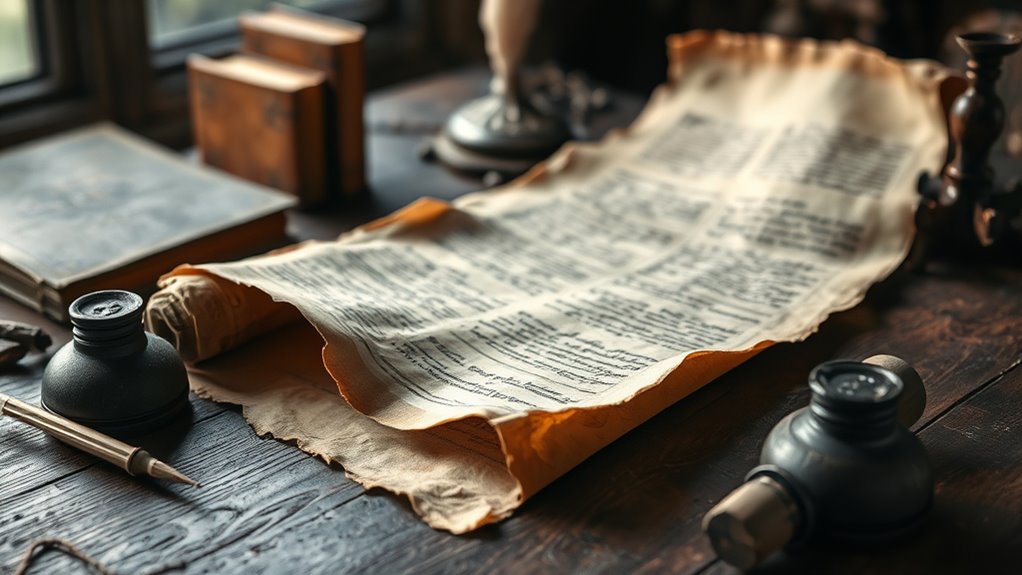
The Salem Witch Trials were a series of intense and often tragic events that took place in 1692 in colonial Massachusetts. During this time, fear and suspicion spread rapidly through the community, fueling a wave of accusations that led to the imprisonment and execution of many innocent people. One of the most controversial aspects of the trials was the use of spectral evidence, which allowed accusers to claim they saw the spirits or specters of the accused committing harmful acts. Despite its questionable reliability, spectral evidence was admitted in court, because authorities believed it could reveal the true nature of witchcraft. This form of evidence gave credence to claims based on visions or dreams, making it easier for hysteria to take hold. As accusations multiplied, social hysteria intensified, creating a climate where rational judgment was overshadowed by fear of witches lurking in their midst. You might imagine how this social atmosphere made it easier for neighbors to turn against each other, driven by suspicion rather than facts. The community’s deep-seated fears, combined with existing tensions over land, authority, and religious purity, created a perfect storm for mass paranoia. People started to see supposed signs of witchcraft everywhere, and everyone felt vulnerable to being accused, regardless of innocence. The social hysteria was so powerful that it led to a breakdown of normal social bonds, as neighbors and even family members accused one another. In this climate, the courts relied heavily on spectral evidence because it was seen as a spiritual confirmation of guilt, even though it lacked concrete proof. This reliance on spectral evidence also reflected the broader belief system of the time, where the unseen spiritual domain was considered just as real as the physical. As the trials progressed, many began to question the legitimacy of these processes, but by then, the damage was done. The social hysteria had already taken root, and many lives had been irrevocably altered. Today, historians recognize spectral evidence and social hysteria as key factors that fueled the chaos, but at the time, they seemed like legitimate tools to root out evil. You can see how the combination of fear, religious fervor, and the acceptance of spectral evidence created a perfect storm that led to one of the darkest chapters in American colonial history. The trials serve as a cautionary tale about how social hysteria and unverified evidence can destroy lives when unchecked, reminding us of the importance of rational judgment and due process. Recognizing the role of social hysteria in these events helps us understand how collective fear can distort justice and lead to tragic outcomes.
spectral evidence court reenactment kit
As an affiliate, we earn on qualifying purchases.
As an affiliate, we earn on qualifying purchases.
Frequently Asked Questions
How Did the Salem Witch Trials Influence Modern Legal Systems?
The Salem Witch Trials influenced modern legal systems by highlighting the need for strict evidentiary standards and legal reforms. You see, they showed how reliance on spectral evidence and hysteria can lead to wrongful convictions. As a result, courts now require concrete evidence and due process, reducing the risk of miscarriages of justice. These reforms help make certain that fair trials, protecting individuals from similar injustices in contemporary legal practices.
Were Any Specific Individuals or Groups Targeted Repeatedly During the Trials?
You might think certain groups were targeted repeatedly during the trials, but evidence suggests spectral evidence and religious factions played key roles. Accused individuals, often women, faced accusations based on spectral evidence—visions or dreams. Religious factions, especially Puritans, believed in spectral manifestations of witchcraft, so they targeted specific community members, sometimes repeatedly. This focus reflects deep societal fears and religious tensions fueling the hysteria.
What Role Did Gender Play in Accusations and Convictions?
Gender bias heavily influenced the Salem Witch Trials, with women more often accused and convicted. You’ll notice that female accusations were frequent because societal fears linked women to witchcraft, especially those who defied norms or were vulnerable. This gender bias created a climate where women faced harsher suspicion and punishment, illustrating how gender roles and stereotypes fueled the hysteria and led to unjust convictions based on female accusations.
How Did the Trials Impact the Local Community’s Social Structure?
Imagine you’re witnessing the Salem Witch Trials’ fallout, where the community’s social hierarchy gets shaken up like a viral TikTok trend. The trials deepen community divisions, as fear and suspicion create new alliances and rivalries. Some people gain power while others fall from grace, reshaping social roles. This upheaval leaves lasting scars, forcing residents to reevaluate trust, authority, and their sense of belonging within the fractured community.
Are There Surviving Personal Accounts From the Accused or Accusers?
Yes, there are surviving personal narratives and eyewitness testimonies from the Salem Witch Trials. You can find written accounts from both accused individuals and accusers, which offer insights into their experiences. These firsthand stories help you understand the fears, accusations, and social pressures of that time. They serve as valuable historical sources, allowing you to piece together the emotional and social impact of the trials on those involved.
Conclusion
As you reflect on the Salem Witch Trials, remember how fear and hysteria spread like wildfire, turning neighbors into enemies. The trials serve as a reminder that mass panic can engulf a community quickly, blinding people to reason and justice. Just as a storm clears to reveal calm skies, understanding the past helps you see the importance of skepticism and compassion in preventing such tragedies from happening again. Stay vigilant, and learn from history’s dark chapters.
Fall Picks
fall essentials
As an affiliate, we earn on qualifying purchases.