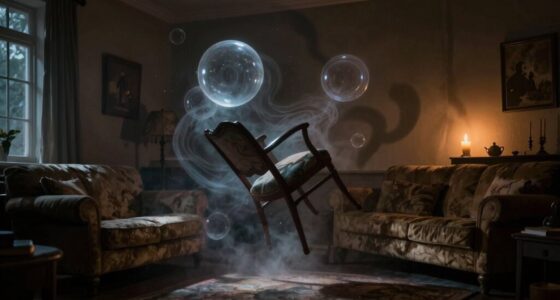

Many hauntings thought to be caused by demons are actually due to environmental or psychological factors. Frigid temperatures, structural issues, or creaky floors often create eerie sensations. Your mind can also fill gaps with supernatural explanations, especially when you’re anxious or grieving. Objects believed to be cursed are usually old or poorly maintained. Understanding these natural causes helps demystify hauntings, and if you keep exploring, you’ll discover more surprising truths behind these phenomena.
Open a free Amazon Business account
Business pricing, bulk buying and tax-exempt orders.
As an affiliate, we earn on qualifying purchases.
Key Takeaways
- Most hauntings are caused by natural factors like structural issues or environmental conditions, not demonic entities.
- Psychological factors such as stress, trauma, or fear often lead to misinterpretations of supernatural phenomena.
- Cultural beliefs and folklore influence perceptions, making minor occurrences seem more supernatural or demonic.
- Technological tools frequently reveal natural or mechanical explanations for supposed paranormal signals.
- Recognizing natural and psychological causes helps demystify hauntings, challenging the myth of demonic possession behind most cases.

Many people believe that demons are the primary cause behind most hauntings, but the truth is often far less sinister. While stories of malevolent spirits and evil entities make for compelling tales, many hauntings have explanations rooted in psychological, environmental, or natural causes. When you encounter strange noises or unexplained activity, it’s tempting to jump to the conclusion of demonic presence, especially if possessions or unusual occurrences involve possessed possessions that seem to “hold” dark energy. However, these experiences are often misinterpretations or exaggerations fueled by fear and folklore.
In reality, most supposed encounters with evil entities are better explained by factors like drafts, creaky structures, or even electrical issues. For example, a sudden cold spot or unexplained sounds might be the result of shifting temperatures or plumbing vibrations. When you feel a sudden chill or sense a presence, it’s easy to imagine malevolent spirits lurking nearby, but it’s often just your mind filling in gaps. The mind’s tendency to associate unfamiliar sensations with supernatural causes is a common psychological response, especially in environments that feel eerie or unsettling.
Many hauntings are also linked to psychological factors such as stress, grief, or trauma. If you’ve recently experienced a loss or are feeling anxious, your mind may interpret ordinary sensations as signs of supernatural activity. This is especially true when dealing with possessed possessions — items that are believed to be cursed or haunted. Such objects often become focal points for fear, leading you to attribute any strange event to an evil entity inhabiting the object. But in most cases, these possessions are simply old or poorly maintained items that trigger your imagination rather than actual supernatural influence.
Stress and trauma can make ordinary sensations seem supernatural, especially with cursed or haunted objects.
Furthermore, many supposed demonic hauntings have cultural or historical roots that influence how you interpret events. Tales of evil entities often mirror local folklore, reinforcing beliefs that specific locations or objects are inherently cursed. When you approach a haunted house or an antique with a reputation for being possessed, your expectations can shape your perception, making you more prone to noticing or interpreting minor phenomena as proof of demonic activity. In reality, most hauntings are mundane, often caused by natural or explainable factors that don’t involve evil spirits or possessions.
Additionally, recent advancements in technology such as infrared cameras and electronic voice phenomena (EVP) devices have shown that many supposed paranormal signals have natural or mechanical explanations, further reinforcing the idea that most hauntings are not caused by demonic forces. In the end, it’s essential to approach these experiences with skepticism and logic. Recognize that what you perceive as evil entities or possessions are often illusions, misinterpretations, or psychological responses. While the idea of demons and possessions makes for intriguing stories, the reality behind most hauntings is far less sinister—and far more explainable.

GOYOJO 4K Head-Mounted Night Vision Goggles & Binoculars – Infrared NVG with 4 Color Vision, Manual Focus & 8X Digital Zoom for Hunting, Camping, and Outdoor Surveillance
- 4K Video and High-Res Photos: Capture clear videos and 36MP photos day and night
- Dual-Screen with Adjustable IPD: Provides natural viewing and reduces eye strain
- Powerful Infrared Night Vision: See clearly in darkness with adjustable IR and zoom
As an affiliate, we earn on qualifying purchases.
Frequently Asked Questions
Are All Hauntings Caused by Malevolent Entities?
Not all hauntings are caused by malevolent spiritual entities. Many involve benign ghostly apparitions or residual energy from past events. While some spirits may seem unsettling, they aren’t necessarily harmful. It’s essential to contemplate alternative explanations like environmental factors or psychological influences before assuming malevolence. Understanding that not every haunting involves dangerous spirits helps you approach these experiences with a balanced perspective and less fear.
Can Scientific Explanations Debunk Demon-Related Hauntings?
Think of a haunting as a puzzle piece, and scientific explanations as the missing link revealing the full picture. You can debunk demon-related hauntings through paranormal psychology and scientific skepticism, which analyze environmental factors, psychological states, and natural phenomena. These approaches help you see beyond fear, showing that what seems supernatural often has logical causes. Embracing scientific inquiry allows you to demystify and better understand the mysteries that haunt you.
How Do Cultural Beliefs Influence Demon-Related Hauntings?
Cultural beliefs shape how you interpret hauntings, especially those involving demons. Your cultural narratives and belief systems influence whether you see unexplained phenomena as supernatural or psychological. If your culture emphasizes demon lore, you’re more likely to perceive odd events as malevolent spirits. Conversely, other cultures might interpret similar experiences as spiritual messages or psychological issues, showing how deeply cultural context impacts your understanding of hauntings.
Are There Documented Cases of Genuine Demon Possession?
When there’s smoke, there’s fire, and yes, there are documented cases of demonic possession. While skeptics question their validity, some reports detail individuals exhibiting extreme behaviors linked to demonic influence. These cases often involve religious or medical intervention. Though rare, these documented cases keep the debate alive, showing that demonic possession is more than just myth—it’s an elusive reality that continues to puzzle experts and enthusiasts alike.
What Are the Psychological Effects of Believing in Demon Hauntings?
Believing in demon hauntings can lead to psychological trauma, as you might experience heightened fear, anxiety, or paranoia. This belief can reinforce your perception of danger, making you more sensitive to potential signs of paranormal activity. Over time, it may distort your reality, causing stress or sleep disturbances. Recognizing these effects helps you understand how such beliefs impact mental health, emphasizing the importance of critical thinking and seeking support when needed.
Conclusion
So, next time you hear a bump in the night, remember—what you might think are demons lurking could just be your mind playing tricks. Ironically, the real monsters are often our own fears and misconceptions. Instead of chasing supernatural shadows, maybe it’s time to question what’s truly haunting us: our beliefs and biases. After all, sometimes the biggest specter is simply our imagination running wild.
Grilling season Picks
grills
As an affiliate, we earn on qualifying purchases.