When sending photo evidence, make sure your images are high-quality, clear, and well-lit. Take multiple angles, including close-ups and wider shots to show context and details. Use natural light when possible, and avoid unnecessary editing or cropping that could affect authenticity. Keep the originals intact to maintain credibility. If you follow these guidelines, your evidence will be more convincing and effective. Keep going to discover more tips for strong photo submissions.

Get books and cozy reading nights delivered free with Prime
- Fast, free delivery on millions of items
- Prime Video, Amazon Music and more included
- Member-only deals all year
Key Takeaways
- Send high-resolution, clear, and well-lit photos that accurately depict the scene or item.
- Include multiple angles and close-up shots for comprehensive documentation.
- Retain original files without editing or cropping to preserve authenticity.
- Use a scale or ruler for measurement-related evidence and ensure date/time settings are correct.
- Avoid digital zoom; get closer to the subject for better clarity and detail.
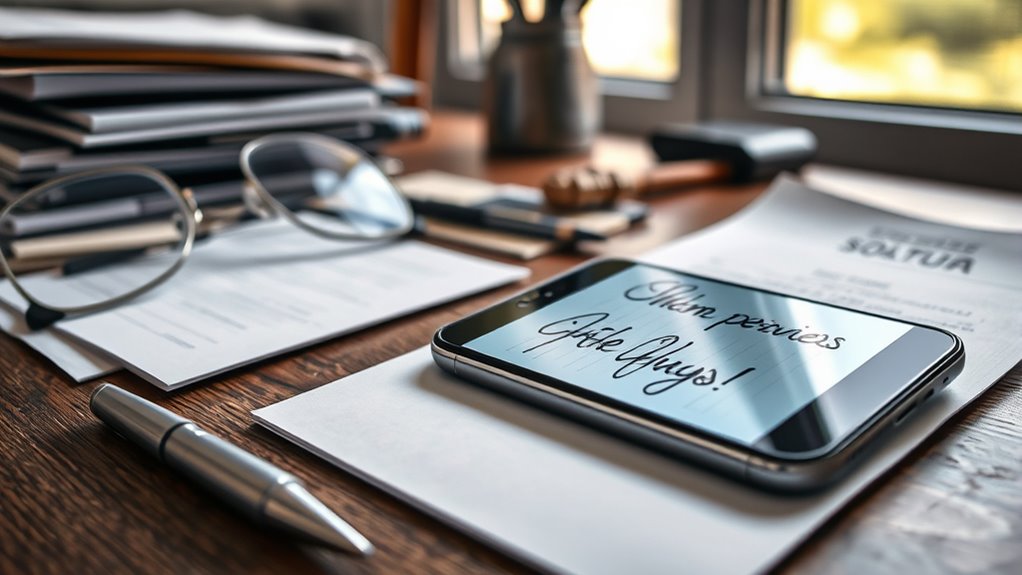
Have you ever wondered how a single photo can make or break a case? When it comes to photo evidence, the impact lies in the details you capture. To guarantee your images serve their purpose, focus on providing quality images that clearly depict the scene or item in question. High-resolution photos are indispensable because they reveal finer details that might be essential for the case. Blurry or pixelated pictures can be dismissed easily, so take the time to use a good camera or smartphone with a capable lens. Proper lighting is equally important. Without enough light, important details can be lost in shadows or appear unclear. Natural daylight is often best, but if you’re indoors, make sure you have adequate artificial lighting to illuminate the scene evenly. Avoid harsh shadows or overly bright spots that can distort the image and obscure key elements.
When taking photos, aim to capture multiple angles. This provides an all-encompassing view and helps clarify the context. For example, if you’re documenting damage, take close-up shots to show the extent of the harm, along with wider shots that establish the scene and surroundings. Keep your camera steady to prevent motion blur—using a tripod or resting your elbows on a stable surface can improve sharpness. Avoid digital zoom, as it reduces image quality; instead, get closer to the subject if possible. The goal is to produce clear, detailed images that leave no room for ambiguity.
In addition to quality images and proper lighting, consider including a scale or ruler in your photos if measurements are relevant. This helps establish size and proportion, which can be critical in legal or investigative contexts. Make sure the date and time are correctly set on your device, as these details can be pivotal in verifying when the photo was taken. When submitting your photos, retain the original files—they’re less likely to be altered and provide an authentic record. Avoid editing or cropping excessively, as this can raise questions about the integrity of your evidence. Remember that accurate documentation is essential for the credibility of your photo evidence.
high resolution smartphone camera
As an affiliate, we earn on qualifying purchases.
As an affiliate, we earn on qualifying purchases.
Frequently Asked Questions
How Should I Organize Multiple Photos for Submission?
You should organize your photos by creating a clear photo organization system, such as labeling each image with descriptive names or numbers. Use a submission checklist to make sure you include all necessary photos and details. Arrange the images in the order specified or logically grouped, then compile them into a single folder or PDF. This approach helps reviewers easily navigate your submission and ensures nothing gets overlooked.
What File Formats Are Acceptable for Photo Evidence?
You should submit photo evidence in common formats like JPEG, PNG, or TIFF. Make sure your photos have good resolution to clearly show details, typically at least 300 dpi. Avoid excessive file compression, as it can reduce quality. Keep file sizes manageable without sacrificing clarity. By choosing widely accepted formats and maintaining high resolution with minimal compression, your photos will be clear and easy to review.
Can Edited or Enhanced Photos Be Used as Evidence?
You can use edited or enhanced photos as evidence, but their authenticity might be questioned if there’s digital manipulation. To verify photo authenticity, clearly document any edits and keep the original images intact. Courts and investigators often scrutinize images for signs of digital manipulation, so transparency is key. If you can prove the edits are minor or necessary, your evidence will be more credible and less likely to be challenged.
How Do I Ensure My Photos Are High Quality?
Did you know that photos with a resolution of at least 1080p are more likely to be accepted as strong evidence? To guarantee your photos are high quality, focus on maintaining proper lighting conditions and steady hands when capturing images. Use a good camera or smartphone, avoid digital zoom, and keep the lens clean. These steps help produce clear, detailed photos that stand up well in any review process.
Are There Specific Guidelines for Taking Photos in Certain Environments?
Yes, there are guidelines for taking photos in specific environments. You should consider environmental lighting to guarantee your images are clear and well-exposed, avoiding harsh shadows or overexposure. Use different photo angles to capture the scene accurately and highlight key details. Adjust your position as needed to reduce glare or reflections. These tips help produce high-quality photos that effectively document the environment and meet requirements.
Conclusion
Think of photo evidence as your trusty compass in a maze; it guides you clearly through confusion and doubt. Just like a lighthouse shines its beam to lead ships safely home, your photos illuminate the truth, helping others see your perspective. When you send the right images, you’re drawing a map that others can follow with confidence. Keep your photos sharp and honest, and you’ll always find your way to clarity and justice.
Fall Picks
fall essentials
As an affiliate, we earn on qualifying purchases.